


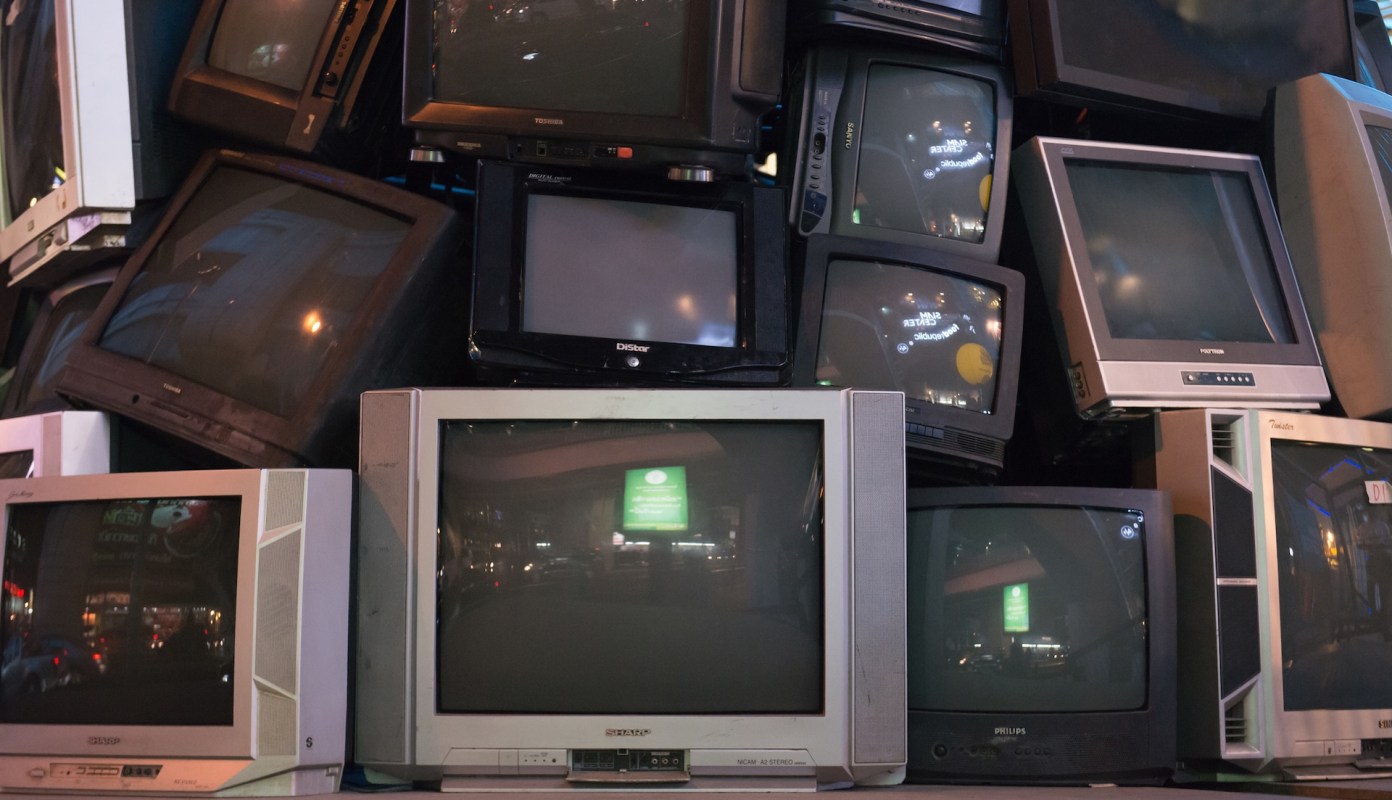
Smart TV owners increasingly turn to artificial intelligence to undo what TV makers have spent years layering onto their screens: ads, bloated menus, and software that turns a basic household appliance into a frustrating sales platform.
What began as a niche DIY workaround is now becoming a broader consumer backlash against devices that get harder to use after purchase.
Here's what to know
According to Gizmodo, annoyed TV owners are using AI assistants such as Claude to create custom launchers that skip over some of the clutter built into today's smart sets.
The goal is to reach content faster, without wading through promotions, subscription nudges, and crowded home screens.
Gizmodo highlighted one example called CleanYourTV. Its creator said he "vibe coded my parents' TV this afternoon" because "it was showing a sponsored ad before you could even get to Netflix."
He also said the solution involved "[removing] 25 Xiaomi packages and [writing] a new launcher." Many shoppers think they are buying a screen and end up with something that behaves more like an ad-supported app store.
TCD Picks » Quince Spotlight
💡These best-sellers from Quince deliver affordable, sustainable luxury for all




In everyday use, that can mean more time lost in confusing menus, more prompts to join services, and more ads before you get to functions that once took only a moment.
More background
Gizmodo presented this as part of a wider shift in consumer tech, where AI is being used not only for chatbots or image tools but also to help people take devices apart and rework how they function.
The site also cited 404 Media's reporting on people using AI to modify other gadgets, including Lululemon mirrors that users brought back with replacement software, as Gizmodo noted.
The smart TV issue is not an isolated annoyance. Consumers increasingly find themselves stuck with hardware that technically belongs to them, while software decisions continue to prioritize manufacturers and platform owners.
Gizmodo also pointed to an unusually candid Verge interview in which, as Gizmodo described it, Vizio's CEO said smart TV features offset hardware costs with ad and data revenue.
That business model helps explain why so many televisions now feel overloaded. A lower sticker price can come with a hidden tradeoff: more surveillance, more sponsored placement, and a worse viewing experience for the household that already paid for the device.
What can be done?
For people comfortable with tinkering, one obvious option is to replace the stock interface with a simpler launcher. Gizmodo reported that AI tools are lowering the barrier by helping users generate the code needed to cut through the default software layer.
Projects such as dumbtv and CleanYourTV show what that can look like in practice. Rather than throwing out the television, users try to take control by stripping out preinstalled packages or installing a cleaner front end.
It is a practical workaround for households dealing with ad-heavy TVs.
The author of the dumbtv said, "Your TV should do what you paid for. Your apps, your HDMI inputs, and nothing else."
Where can I learn more?
This frustration goes beyond smart TVs: More consumer devices are coming with ads, data collection, or unnecessary AI layered on after purchase. The articles here cover TVs with unwanted screens and tracking, a free set with steep data-sharing terms, and the backlash against AI-heavy appliances and home tech.
• LG owners on Reddit ran into an "unacceptable" new TV function and headed toward returns.
• Telly's free 55-inch set came with fine print requiring data collection and constant ads.
• A major appliance brand faced backlash after marketing an "AI-powered" washing machine as progress.
• Helio Home is trying to take the hassle out of cleaner home upgrades.

Get TCD's free newsletters for easy tips, smart advice, and a chance to earn $5,000 toward home upgrades. To see more stories like this one, change your Google preferences here.






