


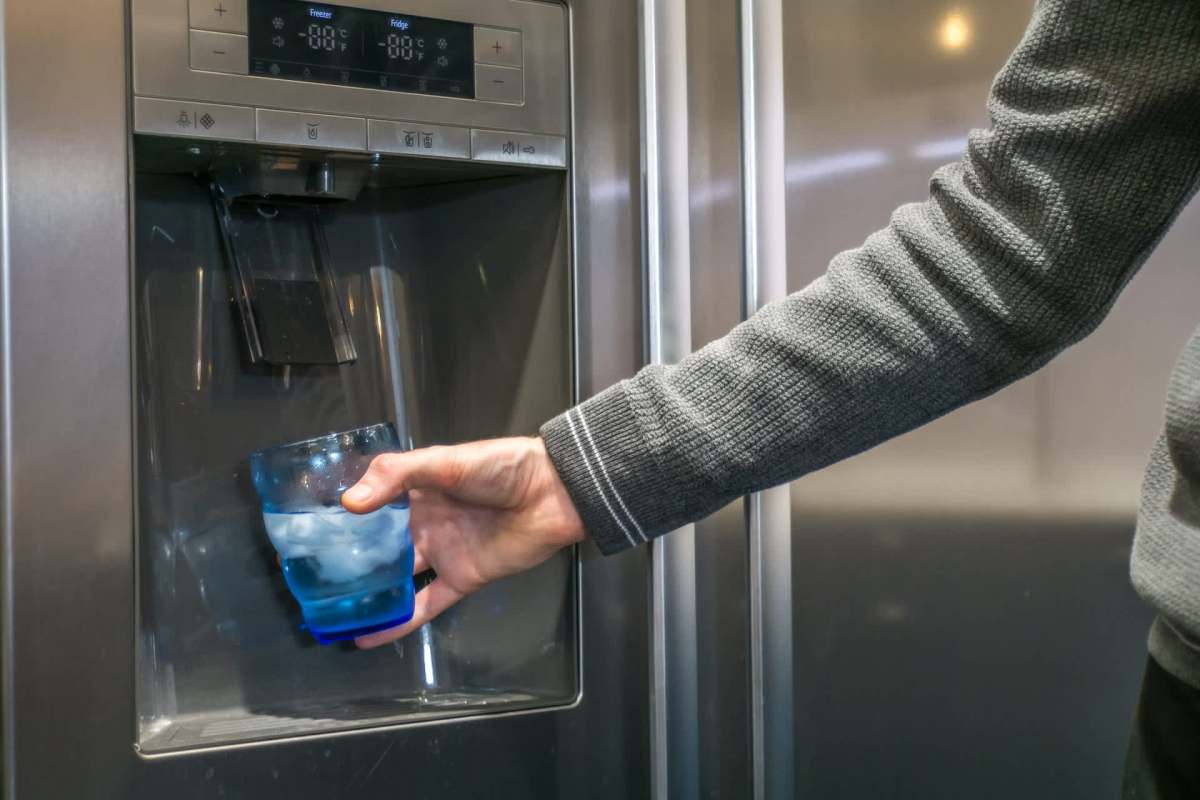
Smart refrigerators can do more than keep food cold. Owners may use them to see what is inside while shopping, track expiration dates, and stream entertainment from the kitchen.
Yet those connected conveniences can stop working years before the appliance itself wears out, raising both budget and security concerns.
What's happening?
At the heart of the problem is a mismatch between the fridge's core hardware and its connected technology.
According to Chowhound, the refrigeration hardware in a connected model may last about 10 to 15 years, while software-based features often have a much shorter lifespan of roughly three to seven years.
As a result, some owners may be left with a fridge that still works perfectly well for cooling food even after cameras, touchscreen tools, remote controls, or app integrations begin to fail once manufacturers end updates and support.
In some cases, those features may disappear entirely, display "Service Not Available" messages, or simply become less reliable over time.
TCD Picks » Quince Spotlight
💡These best-sellers from Quince deliver affordable, sustainable luxury for all




When smart features are no longer supported, both reliability and cybersecurity can suffer.
Internet connections may become inconsistent, apps may stop responding, and older software can become more vulnerable to viruses or malware, potentially affecting other devices connected to the same home network.
Why does it matter?
Smart refrigerators often have a higher upfront price due to features such as internal cameras, touch displays, or app-based controls.
If those tools stop working after only a few years, buyers may not get the value they expected, even if the appliance is still keeping food cold just fine.
There is also the possibility of paying more for less performance.
On some models, unsupported systems may affect functions beyond entertainment or organization, including temperature regulation, ice making, or coffee brewing. That can mean inconvenience, repair expenses, or having to replace the appliance earlier than planned.
Support policies also vary widely by manufacturer, and companies are not always transparent about how long updates will continue.
Warranties for physical parts such as compressors may exceed digital-component coverage by five to 10 times, leaving consumers to shoulder more of the risk.
What can I do?
Higher-end models from Miele and Bosch were noted as stronger bets for both core refrigeration life and longer-lasting smart support, while GE was also noted for offering comparatively better customer support and software updates.
Miele is among the few manufacturers promising security updates beyond 10 years after purchase.
By contrast, LG and Samsung were described as less specific about how long support and software enhancements will last.
Once the fridge is in your home, routine maintenance can also help protect performance and reduce costs.
Cleaning coils, vents, and door seals can reduce strain on the appliance.
Setting the fridge to the manufacturer's recommended temperature and defrosting the freezer annually can also help extend its useful life.
Thoughtful food organization can improve airflow, help produce stay fresh longer, and make camera-based inventory tools more useful.
A smart fridge can still be a helpful kitchen upgrade, but digital convenience may have a shorter shelf life than the appliance around it.

Get TCD's free newsletters for easy tips, smart advice, and a chance to earn $5,000 toward home upgrades. To see more stories like this one, change your Google preferences here.






