


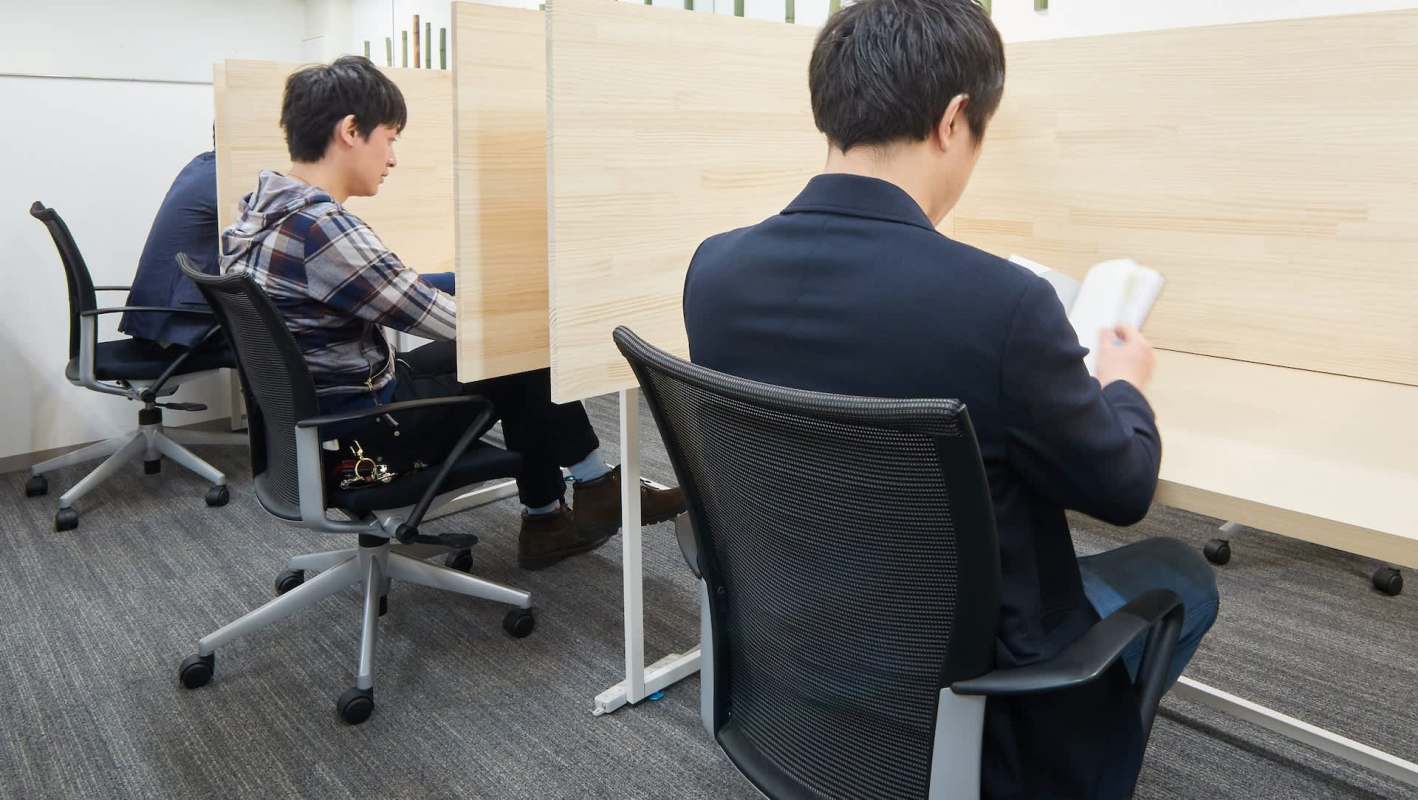
Sitting for long periods has long been linked to poorer health outcomes, but a large study in the United Kingdom suggests that how people sit may matter nearly as much as how long they sit overall.
Researchers found that people who spent more of their sedentary time in stretches of 30 minutes or longer faced higher risks of both cancer diagnosis and cancer-related death, while those who broke up their sitting with movement had better outcomes.
Here's what to know
Reported by ScienceAlert, the findings come from a study in PLOS Medicine that used data from more than 91,000 UK Biobank participants. The group had an average age of 56, none had a history of cancer, each wore a wrist activity monitor continuously for seven days, and their health was then followed for roughly 12 years.
For the analysis, researchers split sedentary time into two categories: prolonged sitting, defined as bouts lasting at least 30 minutes, and interrupted sitting, which included either shorter sedentary periods or longer ones broken up by movement.
With each extra daily hour of prolonged sedentary behavior, cancer incidence increased by 3% and the risk of death from cancer increased by 9%.
"What our data shows is that sitting for more than 30 minutes at a time is particularly linked to a higher risk of cancer," Frederick Ho, the study's senior author and an epidemiologist at the University of Glasgow, said.
TCD Picks » Quince Spotlight
💡These best-sellers from Quince deliver affordable, sustainable luxury for all




Because the study was observational, it identified links in the data rather than proving direct cause and effect.
The researchers wrote, "Given the high prevalence of sedentary behavior, even modest associations could still have important public health implications."
More background
As ScienceAlert noted, researchers have for years linked sedentary behavior to poorer health outcomes.
The researchers wrote, "This pattern is biologically plausible: Experimental studies have shown that interrupting prolonged sitting with short bouts of activity can improve metabolic responses compared with uninterrupted sitting."
By contrast, each additional hour of interrupted sedentary behavior was associated with a 6% decrease in overall cancer incidence and an 18% lower risk of cancer death. Obesity-related and type 2 diabetes-related cancers were also less common among people who moved intermittently.
The researchers wrote, "Our findings suggest that the health effects of sedentary behavior may depend not only on total sedentary time, but also on whether that time is accumulated in prolonged bouts or interrupted by activity."
"Current health guidelines focus heavily on moderate or vigorous exercise," Ho said, "but our findings show that light movement shouldn't be ignored."
What can be done?
According to the study's modeling, replacing one hour per day of prolonged sitting with light physical activity was associated with a 6% lower risk of cancer incidence and a 12% lower risk of cancer mortality, ScienceAlert reported.
"The good news is that breaking up your sitting time with something as simple as a short walk could be protective," Ho said.
Where can I learn more?
Long stretches of sitting are one of those everyday habits that can affect health more than people realize. Other articles on similarly easy-to-miss risks look at traffic pollution, extreme heat, plastic waste, and wildfire smoke.
• Traffic pollution can raise blood pressure as much as a salty diet in urban communities.
• Plastic pollution is posing grave, growing health dangers that remain under-recognized worldwide.
• Seasonal wildfire smoke can mean breathing the equivalent of several cigarettes a day.
They point to the same lesson as the sitting study: everyday exposures matter. Risks that seem small in the moment can build over time, so prevention strategies are worth paying attention to.

Get TCD's free newsletters for easy tips, smart advice, and a chance to earn $5,000 toward home upgrades. To see more stories like this one, change your Google preferences here.






