


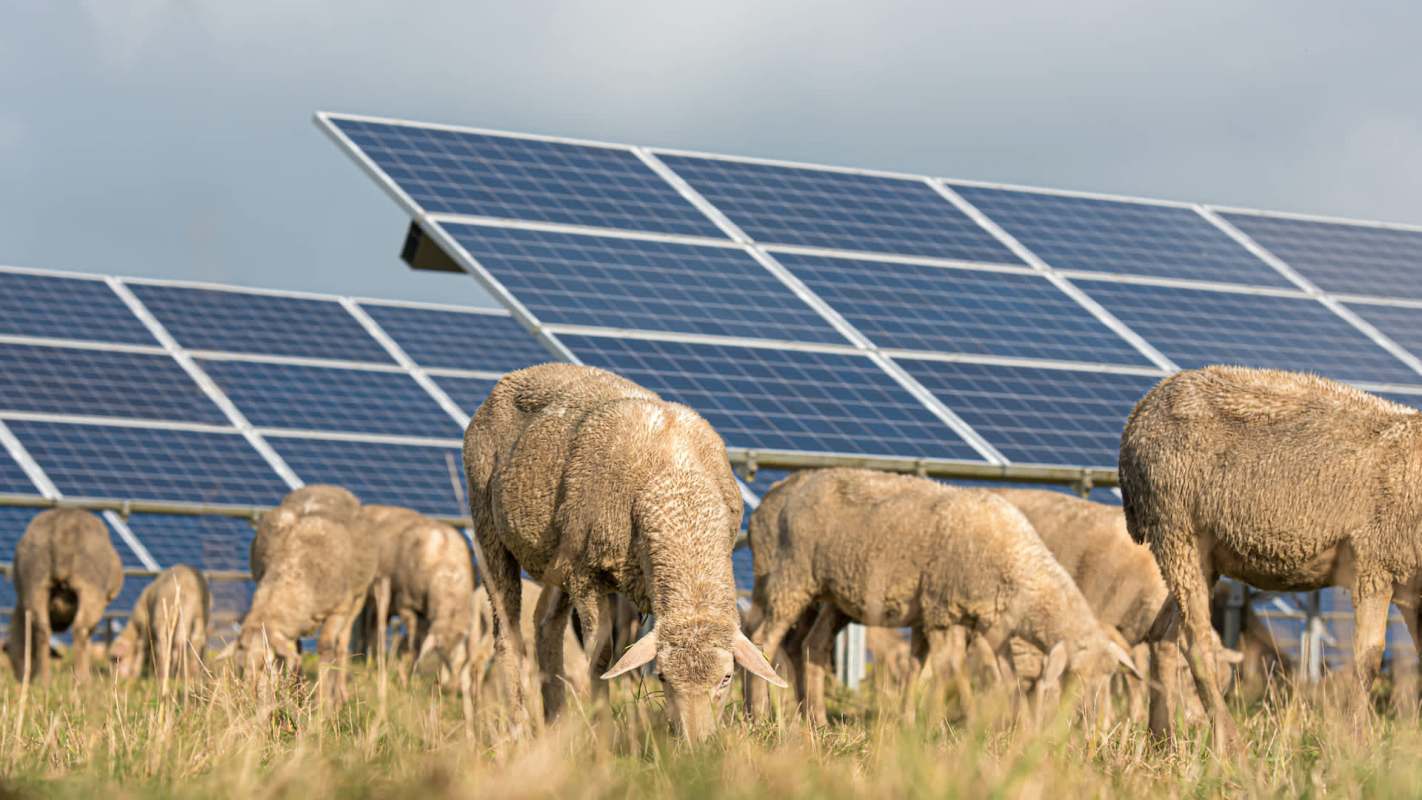
In New South Wales, a large solar installation is also serving as grazing land, with thousands of sheep moving through the rows of panels as farmers report benefits for both the flock and the farm.
Those early observations are drawing attention to agrivoltaics — the pairing of agriculture and solar generation — as a way to support farm output while also producing clean electricity.
What's happening?
A new video from YouTube creator the Electric Viking discusses a massive solar farm in New South Wales that pairs 6,000 sheep with a million solar panels, making it the largest project of its kind in Australia
Once complete, the project is expected to generate 720 megawatts of electricity while allowing local farmers to continue grazing sheep on the land beneath the solar panels. The first 400-megawatt phase was completed in 2023, and the fully built site is projected to supply enough electricity for roughly 300,000 homes. It will also include a 200-megawatt battery system capable of storing up to two hours of energy to help improve grid reliability.
Since the sheep began grazing under the array, farmers at the site have reported better grass, healthier animals, and improved wool quality.
Why does it matter?
The video explains that, in addition to providing shade for the sheep, the panels can also reduce winter frost exposure and preserve overnight dew on grass.
TCD Picks » Quince Spotlight
💡These best-sellers from Quince deliver affordable, sustainable luxury for all




That combination of healthy grasses and shade could improve animal health and allow the same acreage to support more sheep. Rather than sacrificing grazing land to an energy project, farms with better pasture and cooler animals may be able to maintain or even increase productivity.
The arrangement also changes the farm economics. Livestock can remain on the land while farmers receive long-term lease payments from solar infrastructure, creating steadier income during droughts or market swings. At the same time, sheep help keep vegetation in check for the operator, reducing mowing, spraying, and fire-risk management costs.
Seen that way, projects like this suggest renewable development and working farmland do not have to displace one another.
What's being done?
As New South Wales rapidly expands renewable energy, this agrivoltaics project is emerging as a prominent example of dual-use solar. Similar trials in Western Sydney have also reported higher carrying capacity and better wool quality, suggesting the outcome in New South Wales may not be an isolated case.
Solar projects don't have to compete with farming. In the best-case scenarios, they can lower pollution, support local jobs, improve animal welfare, and help stabilize energy costs while keeping working land in production.

Get TCD's free newsletters for easy tips, smart advice, and a chance to earn $5,000 toward home upgrades. To see more stories like this one, change your Google preferences here.







