


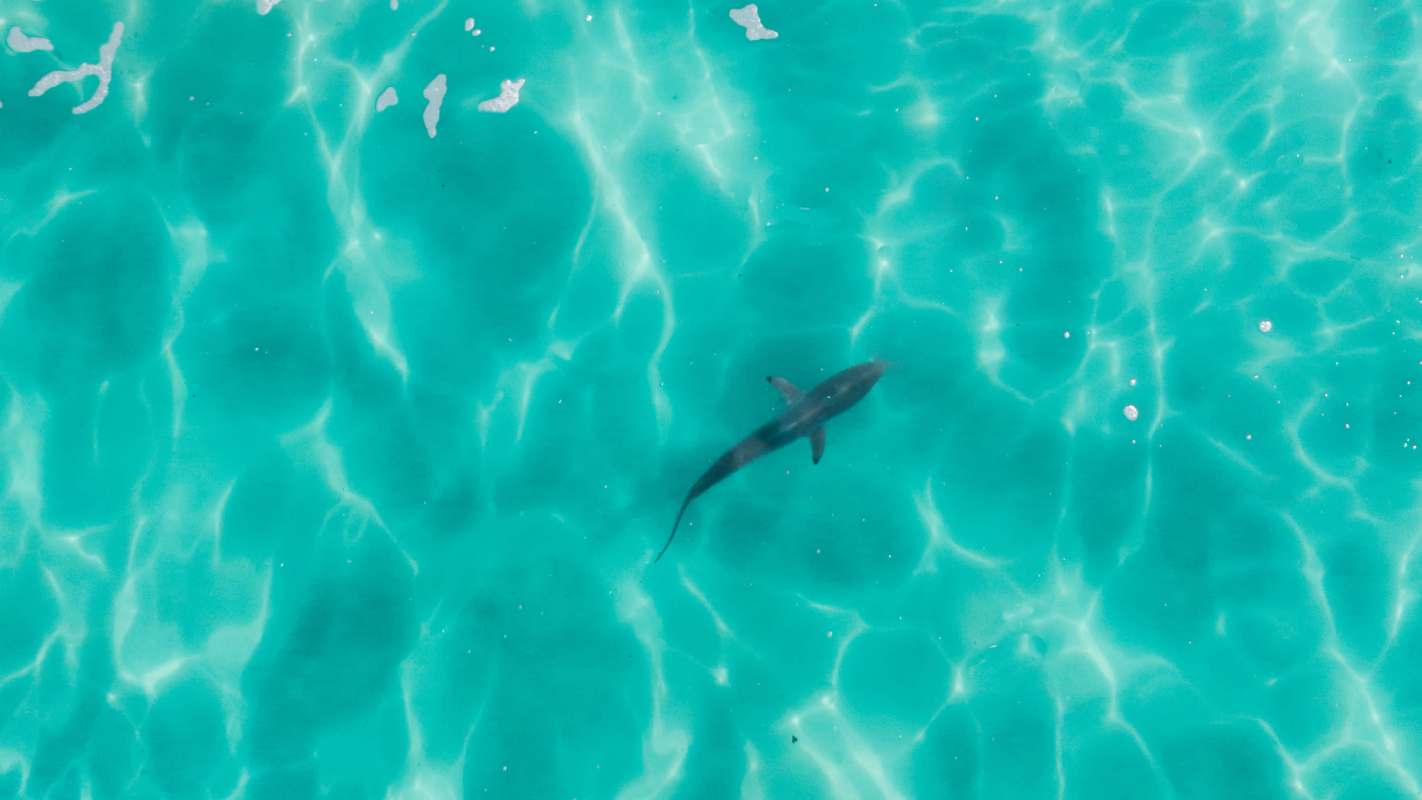
Australia is widening its shark-surveillance drone program after a great white attack caused life-altering injuries to a swimmer.
Officials are trying to protect people without cutting off their access to the ocean.
What's happening?
On June 28, New South Wales said it would allocate another $34 million to drones under its $120 million shark protection program, a move that will extend shark monitoring to 70 beaches, according to Men's Journal.
With the expansion beginning July 1, the state plans to use artificial intelligence and other "emerging technology" while raising the number of beaches watched year-round from 26 to 38. Beaches in waters with more shark incidents are set to receive priority.
The funding also covers "SharkSmart listening stations" that pick up signals from tagged sharks swimming through Sydney Harbor and alert nearby swimmers.
The funding announcement followed a June 13 attack at Coogee Beach. As The Guardian reported on June 15, "Leah Stewart, a 34-year-old primary school teacher, mother and dedicated ocean swimmer, remained on life support in the intensive care unit at St Vincent's Hospital after being mauled by a suspected 3.5-metre great white shark." A later update said Stewart had regained consciousness and was no longer listed in critical condition.
TCD Picks » Quince Spotlight
💡These best-sellers from Quince deliver affordable, sustainable luxury for all




Why does it matter?
Shark attacks are rare, but when they happen, they can devastate families, first responders, and local communities while rattling public confidence in heavily used beaches.
Human activity plays a role in these encounters, too. More people in the water, shifting fish populations, coastal development, and human-driven changes to ocean conditions can all affect where sharks travel and when people cross paths with them. A BBC report on why wild animals attack humans found that most attacks happen when an animal is startled by an unexpected encounter and reacts defensively, rather than out of aggression.
Ocean recreation is growing, and coastal populations are rising. A single incident can also trigger beach closures, disrupt tourism, and increase pressure on governments to respond quickly.
What's being done?
Rather than relying only on traditional patrols, New South Wales is leaning into tools that can help spot sharks earlier and give swimmers more warning. Drones can quickly scan wide stretches of water, and AI may help operators identify animals faster and more consistently.
Listening stations offer another layer of protection by tracking tagged sharks and sending alerts when they enter key swimming areas. Together, these systems may help authorities make more targeted safety decisions instead of resorting to blanket closures.
Drone surveillance has shown promise elsewhere in Australia, too: an earlier SharkSmart trial found the technology spotted more sharks, including larger and more dangerous varieties, than traditional hooks and nets did.
Officials are framing the effort as risk reduction rather than a guarantee.
"No government can promise there will never be another shark incident," the press release said. "What we can do is keep investing in the technology, research and education that help reduce risk and better protect people using our beaches."

Get TCD's free newsletters for easy tips, smart advice, and a chance to earn $5,000 toward home upgrades. To see more stories like this one, change your Google preferences here.






