


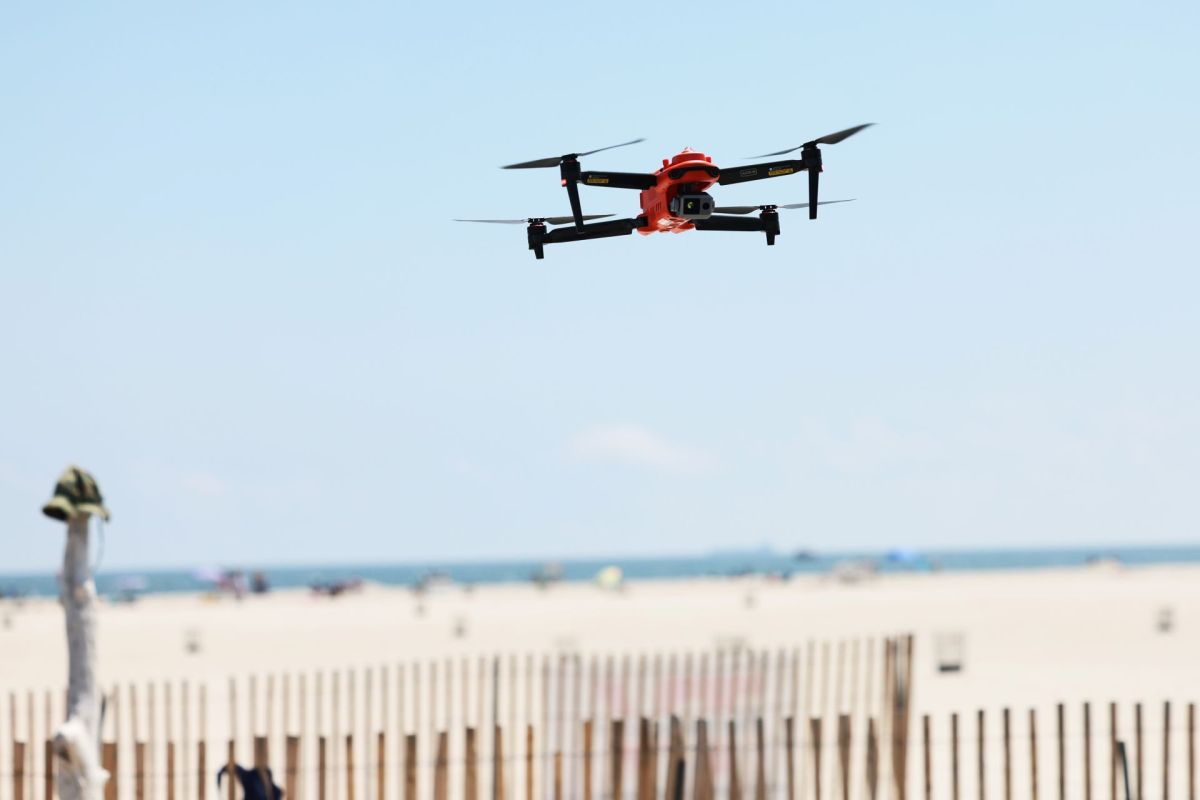
Following a serious shark attack at Coogee Beach in Australia, New South Wales officials are preparing to widen drone monitoring at beaches around the state.
The aim is to use aerial surveillance to spot sharks earlier and give swimmers and surfers more warning.
What happened?
According to The Newcastle Herald, New South Wales Premier Chris Minns said the state will commit an extra $34 million to broaden coastal drone coverage.
The outlet reported that the announcement came after Leah Stewart, a 34-year-old teacher, was attacked by a great white shark while swimming in the ocean on June 13. She suffered critical injuries and later lost an arm.
When the expanded program begins, drones will patrol 72 beaches from dawn to dusk every day of the year. At least one beach in each coastal local government area will be covered, The Newcastle Herald reported, and Sydney's main beaches will be watched year-round.
Minns said the program is intended to reduce risk and improve the speed at which warnings can be issued, not to suggest that all shark encounters can be prevented.
TCD Picks » Quince Spotlight
💡These best-sellers from Quince deliver affordable, sustainable luxury for all




"No one can promise a shark mitigation program that can guarantee that there will be zero encounters with sharks," he said, per The Newcastle Herald. "But our plan here is to reduce the risk for swimmers and surfers in NSW beaches by using the latest technology ... so that you get earlier warning if you're in the water that there is a shark in the vicinity."
Why does it matter?
Shark encounters are uncommon, but when they happen, the consequences can be life-altering for victims, families, and entire beach communities.
In Stewart's case, a fundraiser for her medical treatment has already collected more than $500,000. The Newcastle Herald reported that, although Stewart has been taken off the critical list, the mother spent a week on life support and endured multiple surgeries.
What's being done?
Lawrence Chlebeck, a marine biologist with Humane World for Animals Australia, told the outlet he supported the added drone surveillance but also called on the government to remove shark nets, claiming the scientific community has found them ineffective and has the potential to entangle other animals.
In this case, drones could serve as a less invasive means of mitigating attacks.
The Newcastle Herald reported that the current drone fleet will be piloted by humans, but the government is looking into AI-enabled drones in the future, noting that two test trials will take place this summer.
In total, the outlet reported, the new program is expected to total about 500,000 drone flights a year.
That could mean sharks are spotted more quickly near swimmers, beach alerts are issued sooner, and decisions about when to clear the water are more precise.

Get TCD's free newsletters for easy tips, smart advice, and a chance to earn $5,000 toward home upgrades. To see more stories like this one, change your Google preferences here.






