


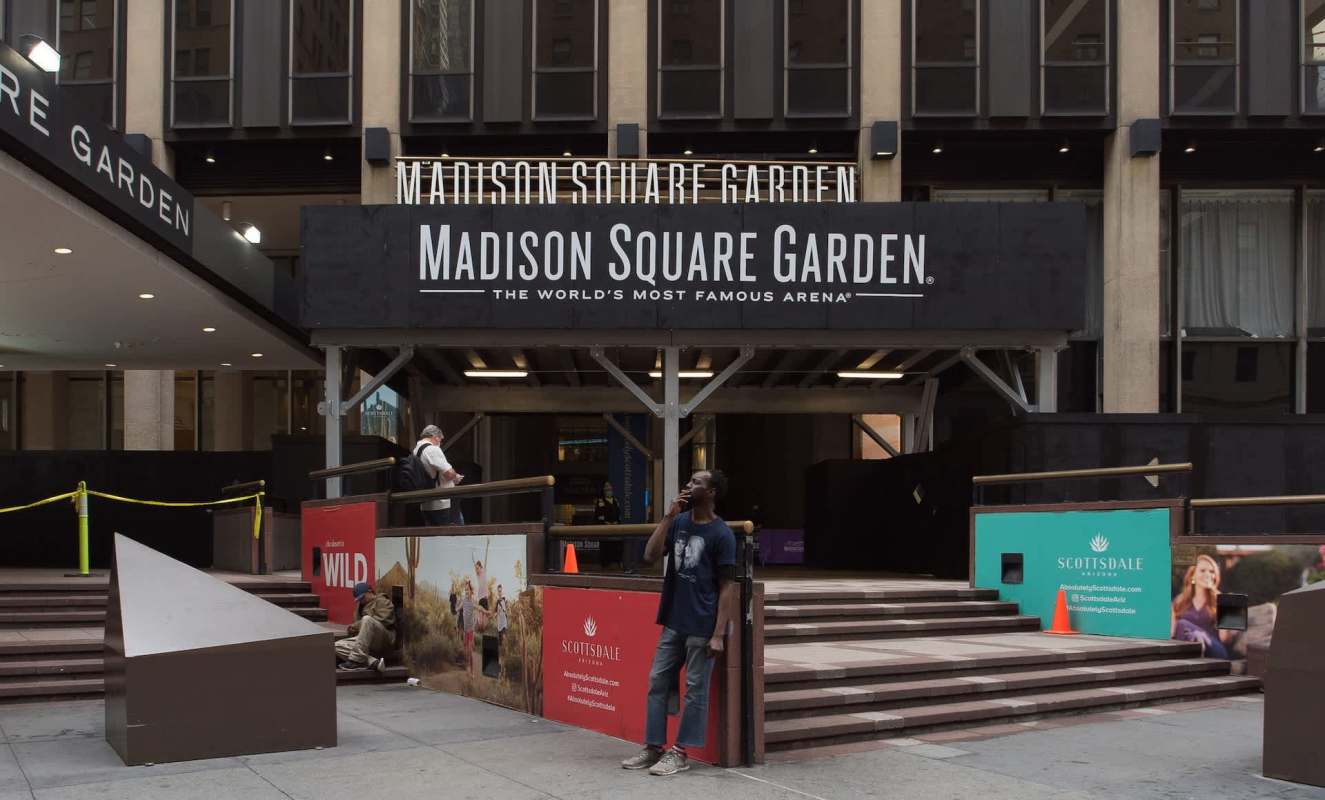
A growing coalition of New York lawmakers, privacy advocates, and performers is pushing back against facial recognition technology at Madison Square Garden.
According to WIRED, people are creating pressure to "ban the scan."
Here's what to know
Legislation first introduced in January by New York City Council member Shahana Hanif gathered activists and musicians for a rally outside Madison Square Garden.
The proposal would ban biometric recognition technology at public venues. Hanif also accused the arena and its leadership of overreach.
"MSG and its CEO, James Dolan, have been flagrantly abusing biotechnology," she alleged, as WIRED relayed.
Hanif's proposal has drawn 27 endorsements, which make up more than half the City Council.
TCD Picks » Quince Spotlight
💡These best-sellers from Quince deliver affordable, sustainable luxury for all




Much of the criticism aimed at Madison Square Garden centers on its extensive facial recognition databases.
The venue has used them to spot critics of Madison Square Garden's CEO, James Dolan. It has also used the technology to follow a fan's movements in the arena, and keep out attorneys tied to disputes involving Dolan-related properties, which WIRED has previously covered.
Supporters of the ban say this kind of surveillance can make everyday activities feel less safe and less communal.
More background
One incident cited by WIRED involved security personnel allegedly logging a fan's activity throughout a Knicks game.
That included minute-by-minute notes about where the person sat, what they ate, and with whom they spoke.
In July, WIRED reported that MSG maintained another database covering roughly 400 celebrities and VIPs, assigning risk scores and, in some cases, noting race and sexual orientation. MSG sued the outlet for defamation in response to the story.
Hanif tied those concerns to lived experience, noting that she was raised as a Muslim in post-9/11 New York and has never seen surveillance as an abstract issue.
These tools also use artificial intelligence, which continues to have more of a negative impact on the environment and communities around the globe.
What's being done?
Hanif's proposal would prevent public venues like Madison Square Garden from using biometric recognition tools.
The rally also showed the effort is drawing support from multiple communities like country musician Paisley Fields of Brooklyn and a representative from NYC DSA Tech Action.
Not everyone agrees with restricting the technology. In a statement, an MSG spokesperson defended the practice.
"People have been recognizing each other's faces since the beginning of time — we just do it electronically," the spokesperson asserted in an email sent to WIRED.
However, critics warn that electronic recognition at scale is fundamentally different because it can catalog and sort large numbers of people without meaningful consent.
Hanif argued the stakes extend well beyond one venue.
"New Yorkers need to understand, right now, between AI and all these tools that are being sold to us as being for … our city's safety, are actually making us less safe," she stated.

Get TCD's free newsletters for easy tips, smart advice, and a chance to earn $5,000 toward home upgrades. To see more stories like this one, change your Google preferences here.







