


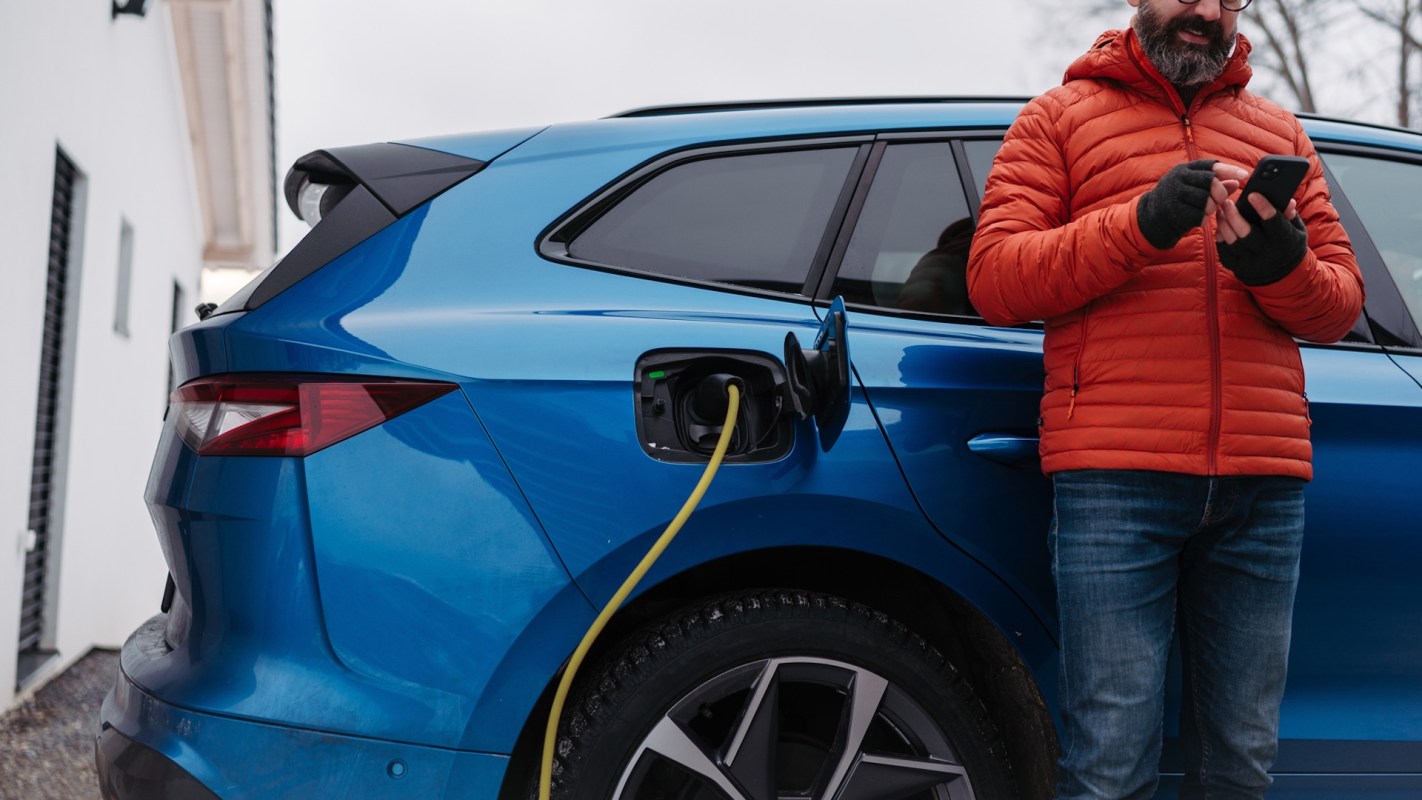
For drivers wondering whether winter weather is enough to undermine the case for an electric vehicle, Seattle-area EV owners offered a reassuring answer: probably not.
Despite regular winter days in the 30s and dips into the 20s, commenters on Reddit argued that the seasonal downsides for EVs are usually much smaller than many shoppers expect.
Here's what to know
A prospective EV buyer in Seattle turned to Reddit's r/electricvehicles for firsthand experience before making the switch, writing, "I've seen a few comments about cold weather slowing down charging and reducing the range of EVs."
Cold weather can affect EVs because batteries operate less efficiently at lower temperatures, and the vehicle may also use extra energy to heat the cabin and warm the battery pack. That can reduce range and slow charging.
On the other hand, EVs help drivers save money over time through lower fueling costs and fewer maintenance needs than gas-powered cars.
Owners from the region, along with drivers in much colder climates, responded by downplaying the risk of winter conditions. This driver said they would rely on public chargers if they bought an EV, so the responses assured them they would likely not need extra sessions, longer stops, or a pricey vehicle with more battery capacity.
TCD Picks » Quince Spotlight
💡These best-sellers from Quince deliver affordable, sustainable luxury for all




The thread's message was that Seattle's winter weather is not the kind that creates the biggest EV problems.
What can be done?
Drivers who do expect cold snaps can improve performance by preconditioning the battery before charging or heading out. That helps the battery reach a better temperature for both efficiency and faster charging.
For people planning to depend on public chargers, it helps to look into charger speed, station reliability, and route-planning software. In a mild climate, those details may matter more than range loss.
Where can I learn more?
For drivers thinking about an EV, winter performance is only one piece of the decision. The stories below dig into other questions, from stubborn myths and long-term costs to the ways owners are using EVs beyond daily drives.
• Auto experts are debunking the myths holding Americans back from EVs.
• For U.S. shoppers, sticker shock obscures how costs compare over time.
• In Sweden, neighbors are using their cars to power homes and cut bills.
Seattle's mild winters matter, but they are only part of the picture. For many buyers, questions about misinformation, cost, and everyday value will have more of an impact.

Get TCD's free newsletters for easy tips, smart advice, and a chance to earn $5,000 toward home upgrades. To see more stories like this one, change your Google preferences here.






