


A windswept coastal site on Gran Canaria is offering an unusually detailed view of how Indigenous island communities turned the sea into a reliable food economy centuries ago.
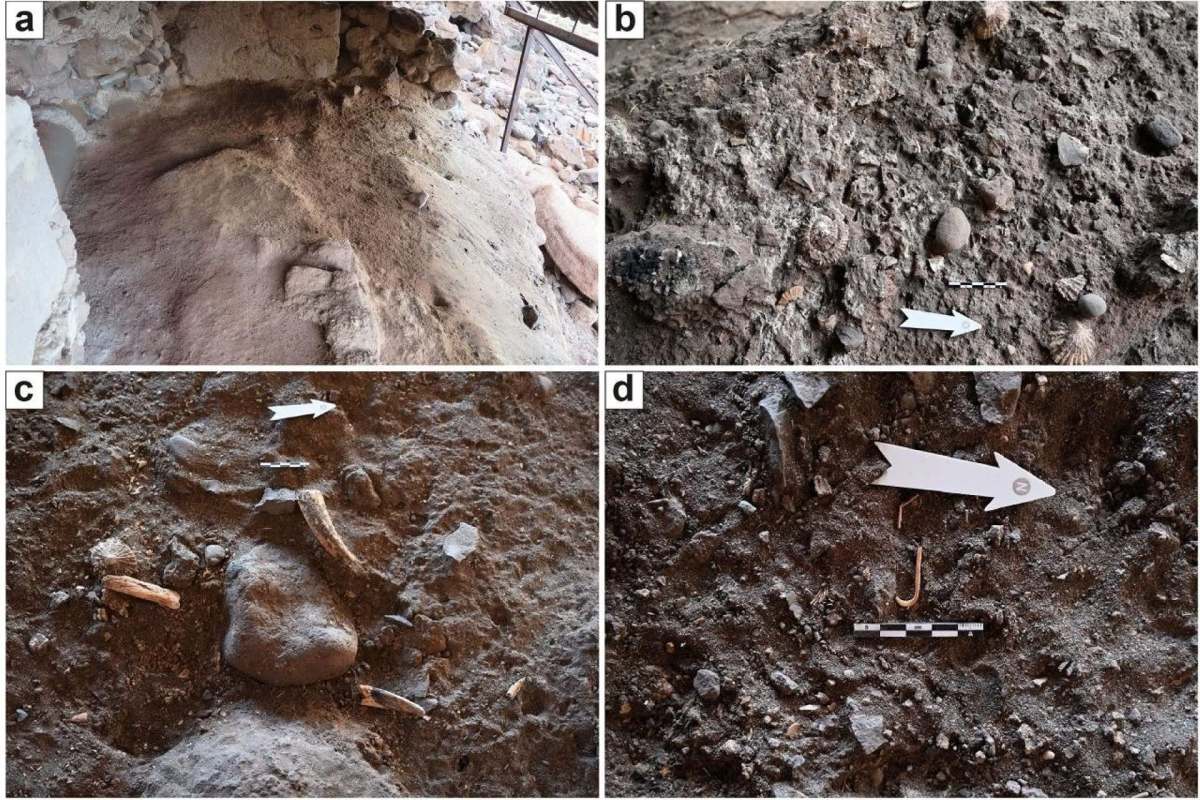
Goat horn tools, thousands of fish scales, and 29 carefully used hearths suggest that Playa Chica was not simply a place where people ate seafood. Instead, it appears to have been a site where marine foods were processed on a larger scale, Archaeology News reported.
What happened?
Archaeologists say Indigenous Canary Islanders used Playa Chica, near Sardina on Gran Canaria's northwest coast, as a dedicated place for seafood processing during the 11th to 13th centuries CE, according to findings published in the journal PLOS One.
The site had been occupied for centuries, with earlier layers indicating more typical domestic activity inside a stone structure. By the 11th century, however, the area appears to have shifted toward a more focused economic role tied to marine foods.
Seafood dominated the material from the site's latest phase: mollusks and sea urchins were especially common, with fish and crustaceans also present. Researchers reached that conclusion by studying sediments, faunal and botanical remains, hearth features, and tools. They also recovered thousands of fish scales, suggesting that large catches were cleaned there.
Toolmaking debris helped show how that work was done. Archaeologists recovered many horn fragments, along with goat horn cores reshaped into fish-scaling implements, and also found small fishhooks made from pig tusks. Together with the numerous remains of nearshore fish, those finds point to regular local harvesting rather than sporadic fishing trips.
TCD Picks » Quince Spotlight
💡These best-sellers from Quince deliver affordable, sustainable luxury for all




Why does it matter?
The discovery challenges the older view that coastal foods mattered little in Indigenous Canarian life. Instead, Playa Chica suggests the sea was central to the local economy and to how communities fed one another.
Evidence for organization appears in the fire features as well. Archaeologists recorded 29 hearths, many of them operating at relatively low temperatures, and identified smoky fuels that included parts of Canary Island pine cones, sedge rhizomes, and Euphorbia plants.
That combination matches fish preservation by drying or smoking, a method that reduces spoilage while making food easier to store and transport. If so, coastal communities may have produced surpluses and sent preserved seafood inland through exchange networks.
Archaeology News reported that the findings also help address a historical gap. Berber-related groups from northwestern Africa settled the Canary Islands in the first millennium CE, while direct archaeological evidence for maritime lifeways on nearby African coasts remains sparse. That makes island sites such as Playa Chica especially valuable for understanding how people adapted to marine environments.
What's being done?
The biggest step forward is scientific. Researchers are using a multiproxy approach, combining evidence from animal remains, plant residues, charcoal, tools, and pottery to reconstruct how ancient food systems worked.
That approach is especially useful because no single piece of evidence would have revealed the full picture. Fish bones alone might indicate seafood consumption, but the horn tools, smoke-producing fuels, and low-temperature hearths help show processing and preservation, not just eating.
The study also points to the need for more detailed excavation at coastal sites across the archipelago. Researchers noted that many questions remain, largely because relatively few shoreline settlements in the Canary Islands have been thoroughly studied.

Get TCD's free newsletters for easy tips, smart advice, and a chance to earn $5,000 toward home upgrades. To see more stories like this one, change your Google preferences here.






