


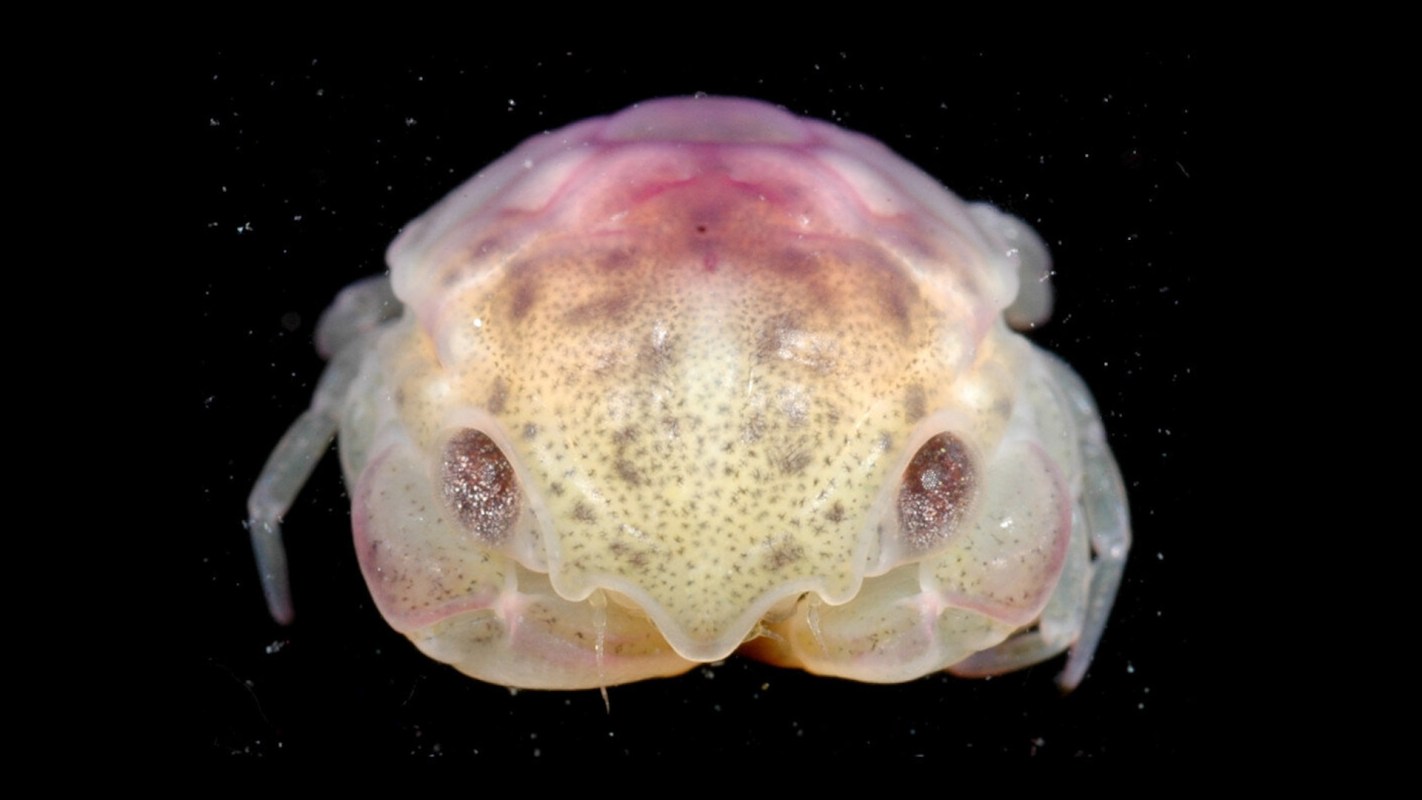
When scientists caught a yellow-bellied sea snake during a field expedition off Costa Rica, they were stunned when a tiny crab fell off it.
That brief encounter pointed to an animal relationship researchers had not previously recorded in the open ocean — crab larvae riding on sea snakes.
Here's what to know
As Florida Museum detailed, marine herpetologist Joseph Pfaller was just beginning his doctoral work in 2012 at the University of Florida. He joined an expedition led by University of Florida professor Harvey Lillywhite to study yellow-bellied sea snakes, or Hydrophis platurus.
"On almost the first snake we caught, this little crab fell off," Pfaller recalled.
What made that notable was that sea snakes were known mainly to carry fixed organisms such as barnacles, not mobile animals like crabs. Charles Darwin also wrote about an unusual barnacle found on a sea snake near Borneo.
However, no reports had described crabs or other legged animals living on sea snakes.
TCD Picks » Quince Spotlight
💡These best-sellers from Quince deliver affordable, sustainable luxury for all




More background
Researchers described the discovery in the study "Planes on a Snake? On the Identities of Crab Larvae Rafting on Sea Snakes," published in the journal Ecology and Evolution.
Pfaller was in a position to notice the crab because he had previously studied sea turtles and their epibionts — the organisms that live on them.
Among those are crabs in the genus Planes, which are known to occupy the protected area near a turtle's tail and shell. A sea snake, though, is a very different kind of host.
These snakes live near the ocean surface, and even their shedding process is unusual: without rocks or other hard surfaces to rub against, they twist themselves tightly and rely on friction from their own scales to remove old skin. That molting pattern also makes traces of it hard to spot.
"When you find a sea snake's skin, it's usually in a knot," Pfaller noted.
Pfaller said the crab could easily have been overlooked, because many herpetologists would have focused only on the snake.
"Honestly, the thought that we could name this study Planes on a snake was enough to get me motivated, but when we got the results, it was evident that something weird and interesting was going on here," researcher Robert Lasley said.
Where can I learn more?
This isn't the only story involving an unusual animal discovery.
• In the eastern U.S., queen snakes use extraordinary hunting tactics to catch molting crayfish.
• In a backyard, a coral snake was found eating what looked like another snake — but it wasn't.
• On Costa Rica's coast, scientists found a newly discovered marine worm buried in beach sand.

Get TCD's free newsletters for easy tips, smart advice, and a chance to earn $5,000 toward home upgrades. To see more stories like this one, change your Google preferences here.






