


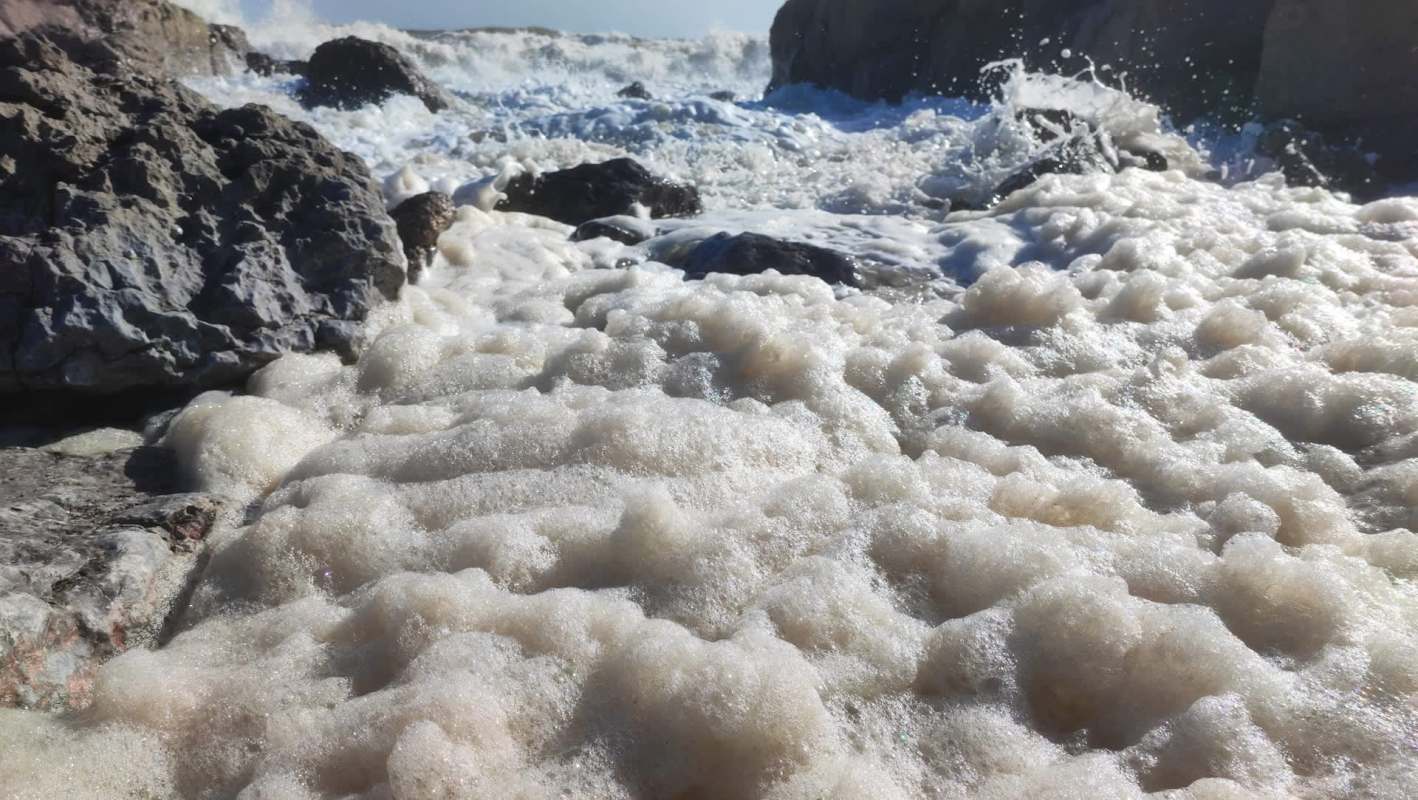
Sea foam tumbling across fields on Britain's most remote inhabited island has long been part of local folklore.
Now, that same windblown foam is drawing attention for a far less charming reason. Scientists believe it may be carrying toxic "forever chemicals" into the island's drinking water, The Guardian reported.
"When the Atlantic gets going, foam covers the whole island," artist Tommy Hyndman told The Guardian. "Your windows get caked and your plants all die from the salt."
Utility data indicated that the public water supply for Fair Isle, a tiny island, contained more PFAS than any other public drinking water source in Scotland.
Several scientists who reviewed the island's chemical profile concluded that the contamination most likely did not come from an obvious local source such as a factory, airport, or fire station.
PFAS, short for per- and polyfluoroalkyl substances, are unusually attracted to the boundary between water and air. Researchers say these chemicals can accumulate in bubbles, sea spray, and foam, then travel long distances on the wind before settling back on land.
TCD Picks » Quince Spotlight
💡These best-sellers from Quince deliver affordable, sustainable luxury for all




On Fair Isle, Scottish Water had suggested other possible explanations, including a 2019 fire and the use of firefighting foam at the island's airstrip. But records show no foam was used in responding to the fire, and the National Trust for Scotland said the airport uses foam that does not contain PFAS.
Scientists are increasingly detecting PFAS in remote coastal areas, raising concerns that the ocean may be recirculating these chemicals back onto land through sea spray. Similar concerns have already surfaced in other parts of Scotland, Denmark, and even Antarctica.
PFAS are often called "forever chemicals" because they break down extremely slowly, and some have been linked to health risks after long-term exposure.
Scottish Water says all public drinking water in Scotland remains below official safety thresholds. Still, experts say Fair Isle's results expose major gaps in how the United Kingdom monitors airborne PFAS and contamination in coastal environments.
Scientists say better monitoring is urgently needed, particularly in coastal communities. Some Fair Isle residents have already started filtering their water as researchers and regulators work to determine how much contamination may be arriving through sea foam and what, if anything, can be done to reduce exposure.
Traditional knitter Kathy Coull told The Guardian she had begun filtering her water each night after the 2024 results were released and described the pollution as "alarming." She also said she would support blood testing for local residents.
Retired engineer Dave Brackenbury told The Guardian he is skeptical about the dangers of PFAS but still believes regulators should be paying closer attention.

Get TCD's free newsletters for easy tips, smart advice, and a chance to earn $5,000 toward home upgrades. To see more stories like this one, change your Google preferences here.






