


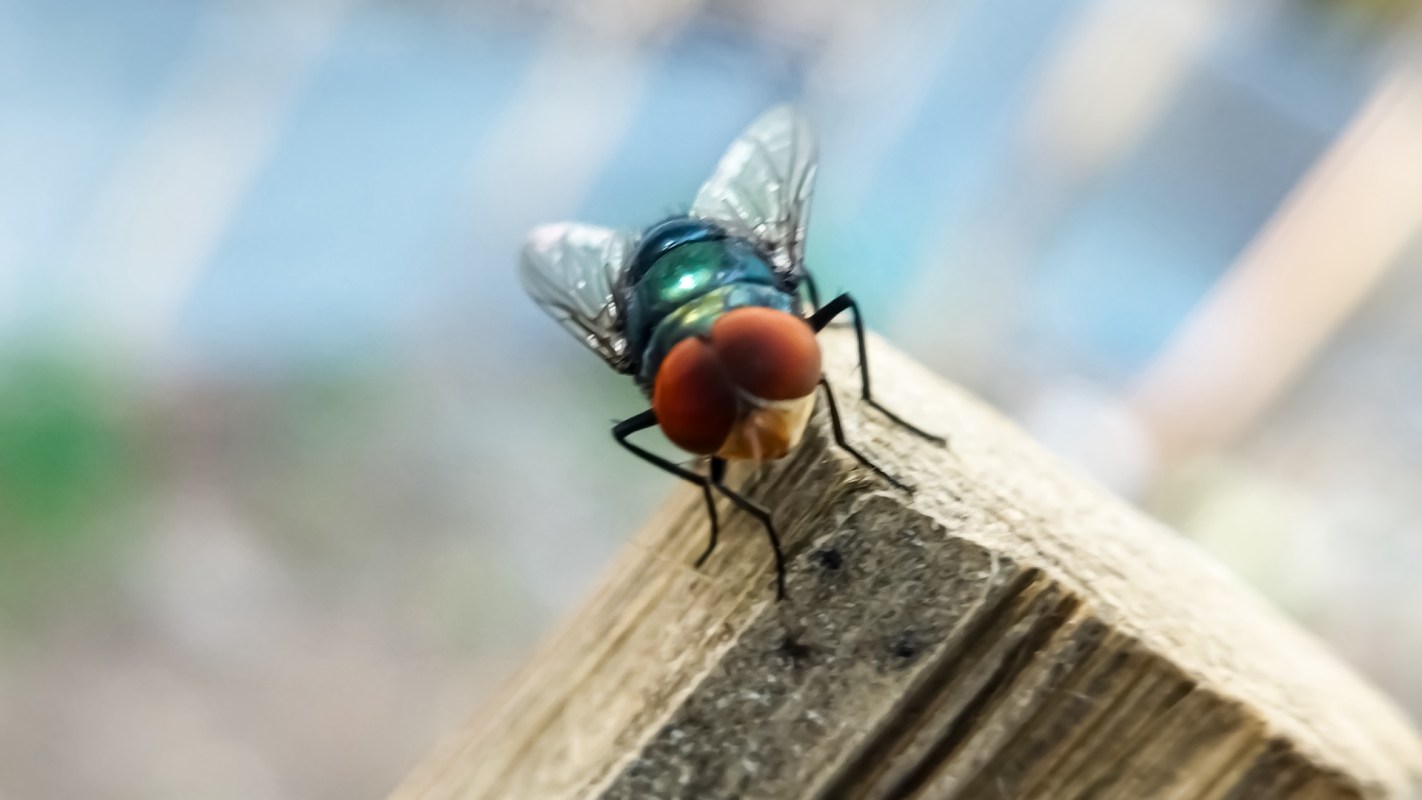
A parasite the United States eliminated in 1966 is now close enough to put Colorado on alert.
After New World screwworm was detected in Texas and later in New Mexico this summer, state officials and animal health experts are preparing for what could become a serious threat to livestock, pets, wildlife, and ranching communities.
What's happening?
By July 23, The Conversation reported, an initial June 2026 detection in South Texas had been followed by reports farther north in the state, along with one confirmed case in New Mexico.
No Colorado cases had been reported as of that date, but the state already has a response plan in place, according to the article republished by Yellow Scene.
New World screwworms are the larval stage of a fly whose eggs are deposited in the living tissue of warm-blooded animals, usually around open wounds or warm, sensitive areas such as the nose, ears, genitalia, or the navel of newborn animals.
After the eggs hatch, the larvae consume tissue, worsening wounds and, in some cases, killing the host if the infestation is not found quickly. Livestock, pets, wildlife, and birds can all be affected, while human cases are considered rare.
TCD Picks » Quince Spotlight
💡These best-sellers from Quince deliver affordable, sustainable luxury for all




Why does it matter?
Beyond causing painful injuries to animals, a screwworm outbreak could add stress for pet owners and bring financial losses for ranchers already working on tight margins.
Tomlinson said livestock infestations can reduce production and cause broader economic damage, with effects that ripple through supply chains, raise public costs, and disrupt markets.
The Conversation reported that the USDA's July 2025 closure of the Mexican border to live cattle and horses had already hurt the U.S. beef industry.
Containment would be harder and recovery more costly if screwworm became established in wild animal populations.
Experts say Colorado's altitude and freezing temperatures may make the state less suitable for a permanent screwworm population, The Conversation reported. However, pest ranges are expanding globally as environmental conditions change.
What's being done?
Federal and state agencies are not starting from scratch.
The USDA has monitored New World screwworm for decades and continues to use the sterile insect technique, which sterilizes larvae with gamma radiation before the adult flies are released so wild matings produce eggs that do not hatch.
Colorado's emergency plan coordinates the Colorado Department of Agriculture, Colorado Parks and Wildlife, the Colorado Department of Public Health and Environment, and the USDA.
Animals entering Colorado from affected areas must have movement certificates from an animal health official in the affected state and meet enhanced health inspection requirements.
Recommended precautions include keeping animal areas clean, using insecticides, barn treatments, and fly traps, and examining wounds for larvae, drainage, foul odor, or signs that an injury is getting larger.
Anyone who suspects screwworm should contact a veterinarian immediately. Suspected cases must be reported to the Colorado State Veterinarian's Office or the USDA area veterinarian in charge, while wildlife concerns should be reported to Colorado Parks and Wildlife.

Get TCD's free newsletters for easy tips, smart advice, and a chance to earn $5,000 toward home upgrades. To see more stories like this one, change your Google preferences here.






