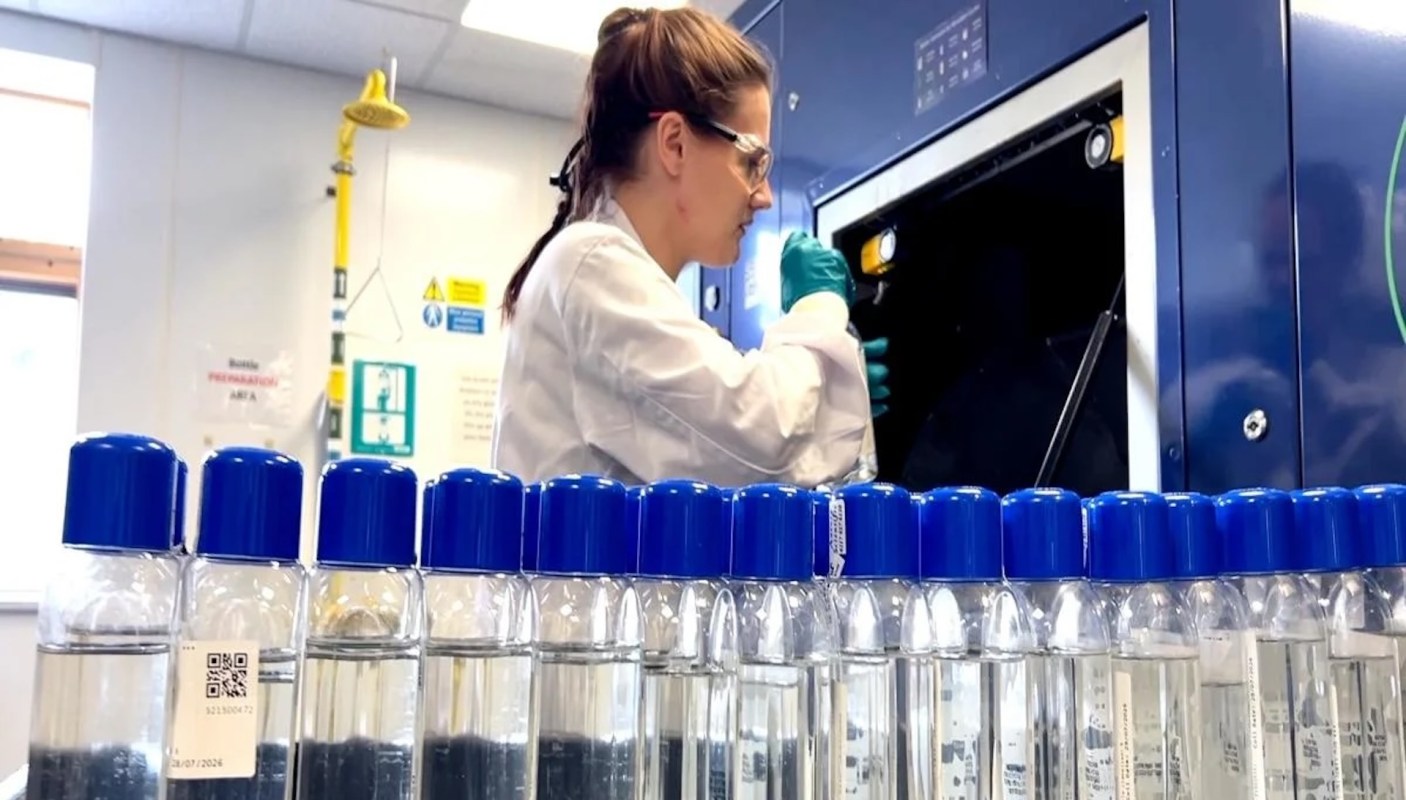
The plastic waste created by water testing is easy to overlook, but it can add up quickly. Scottish Water said it has become the first utility in the world to begin recycling contaminated laboratory plastics on-site, turning a difficult waste stream into something far more useful.
Here's what to know
According to The Herald, the utility has brought in Envetec Sustainable Technologies' Generations system, which treats single-use lab plastics by sanitizing and breaking them down before recycling. Its target is the microbiologically contaminated plastic that standard recycling programs generally will not take.
Across facilities in places such as Edinburgh and Inverness, Scottish Water runs about 3 million lab analyses each year. Those tests are needed for water-quality monitoring, public health, and environmental standards, but they also produce substantial amounts of disposable plastic.
Recycling was largely limited to sample bottles that had not been contaminated; other lab plastics were directed to landfill or incineration because of the risks tied to contamination.
About 72,000 sample bottles have gone through the new system, which has helped improve waste traceability and reduced the staff time needed to manage that material.
More background
Disposable lab plastics are difficult to phase out because they are often part of maintaining safety, accuracy, and regulatory compliance. In water testing, single-use materials can also help avoid contamination and preserve reliable results.
TCD Picks » Quince Spotlight
💡These best-sellers from Quince deliver affordable, sustainable luxury for all




The disposal problem comes after those items are used. Once plastics have been exposed to microbiological material, they typically cannot move through normal recycling channels, leaving landfill or incineration as the main options despite their environmental downsides.
By handling the material on-site where the waste is generated, the system creates a way to convert that plastic into recyclable material.
What's being done?
Scottish Water is extending the system to microbiological plastics that had to be autoclaved before ending up in landfill or incineration. That expansion could allow more of the plastic produced in its labs to be recycled instead of disposed of as unavoidable waste.
Karen Rae, senior project manager for Scottish Water's Scientific Services, said the process offers a more efficient way to deal with large plastic volumes and opens recycling options that were not available.
"We're really pleased to be working with Envetec to lead the way with this innovative technology," said Elise Cartmel, general manager for net zero at Scottish Water. "It is allowing us to handle these waste streams in a more environmentally friendly way and reducing what goes to landfill or incineration, while maintaining the high standards our customers expect."

Get TCD's free newsletters for easy tips, smart advice, and a chance to earn $5,000 toward home upgrades. To see more stories like this one, change your Google preferences here.