


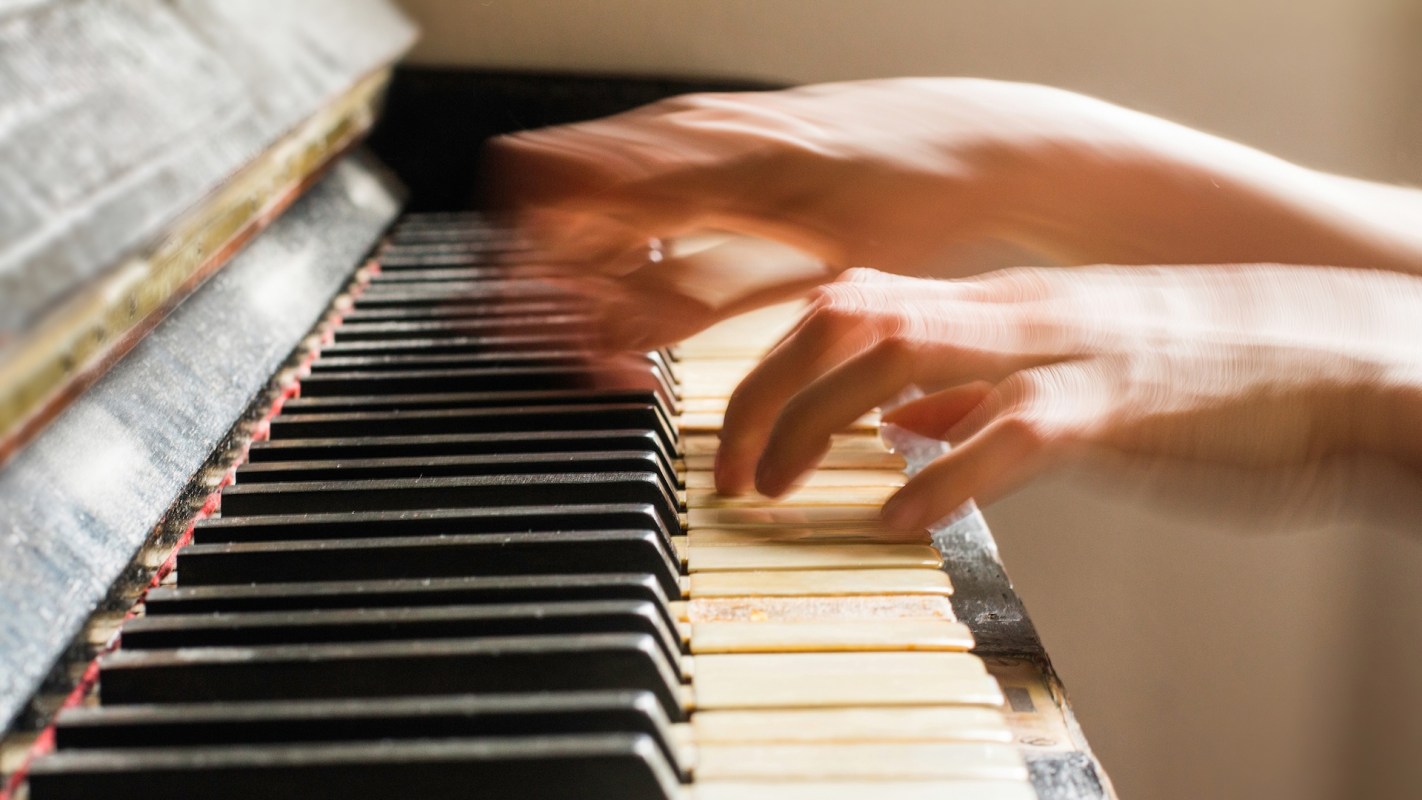
For more than a century, there has been a heated debate between musicians over whether a pianist's touch can change the character of a note, not just its volume. Scientists have just shut down the naysayers with new research that suggests pianists can change timbre.
Using ultra-high-speed sensors, scientists captured tiny, nearly imperceptible movements that appear to shape how people perceive a piano's tone.
A team led by Dr. Shinichi Furuya at the NeuroPiano Institute, working with Sony Computer Science Laboratories, Inc., published a study that offers some of the clearest scientific evidence yet in a long-running musical debate, according to Science Daily.
The researchers used a custom noncontact sensing system called HackKey to track all 88 piano keys at 1,000 frames per second with microscopic precision. They then asked 20 internationally acclaimed pianists to deliberately produce opposing tone qualities, including bright versus dark and light versus heavy sounds.
In listening tests, people consistently identified the intended tonal contrasts, including listeners without formal musical training. Professional pianists performed especially well.
The study also found that perceived timbre was closely linked to only a limited set of highly specific motion features, including slight differences in acceleration, timing, and hand synchronization. Touch itself appears to play a real, measurable role in shaping sound.
TCD Picks » Quince Spotlight
💡These best-sellers from Quince deliver affordable, sustainable luxury for all




Piano instruction has long relied on abstract directions such as "make it warmer" or "play lighter," which can be difficult for beginners to interpret. Research like this could eventually translate those vague ideas into visible, teachable techniques.
The work may have implications for rehabilitation or robotics. If tiny changes in movement can reliably alter perception, that insight could improve training systems focused on dexterity, coordination, and fine motor control.
For now, the study is primarily a scientific breakthrough, but the researchers say it could lead to more practical tools. One possibility is music education systems that show students the precise movements associated with particular tonal effects.
That could make practice more efficient and potentially reduce strain. Instead of spending years working to interpret expressive instructions from teachers, students may eventually receive feedback on the physical motions behind them.
The findings could also support new digital instruments and music software that capture more of the nuance of live performance.
The research supports what pianists have argued for decades while pointing toward tools that could move beyond vague cues like "play warmer" or "use a lighter touch" and offer something more concrete and measurable.

Get TCD's free newsletters for easy tips, smart advice, and a chance to earn $5,000 toward home upgrades. To see more stories like this one, change your Google preferences here.






