A mesmerizing beach clip is giving viewers a closer look at one of the shoreline's tiniest hunters.
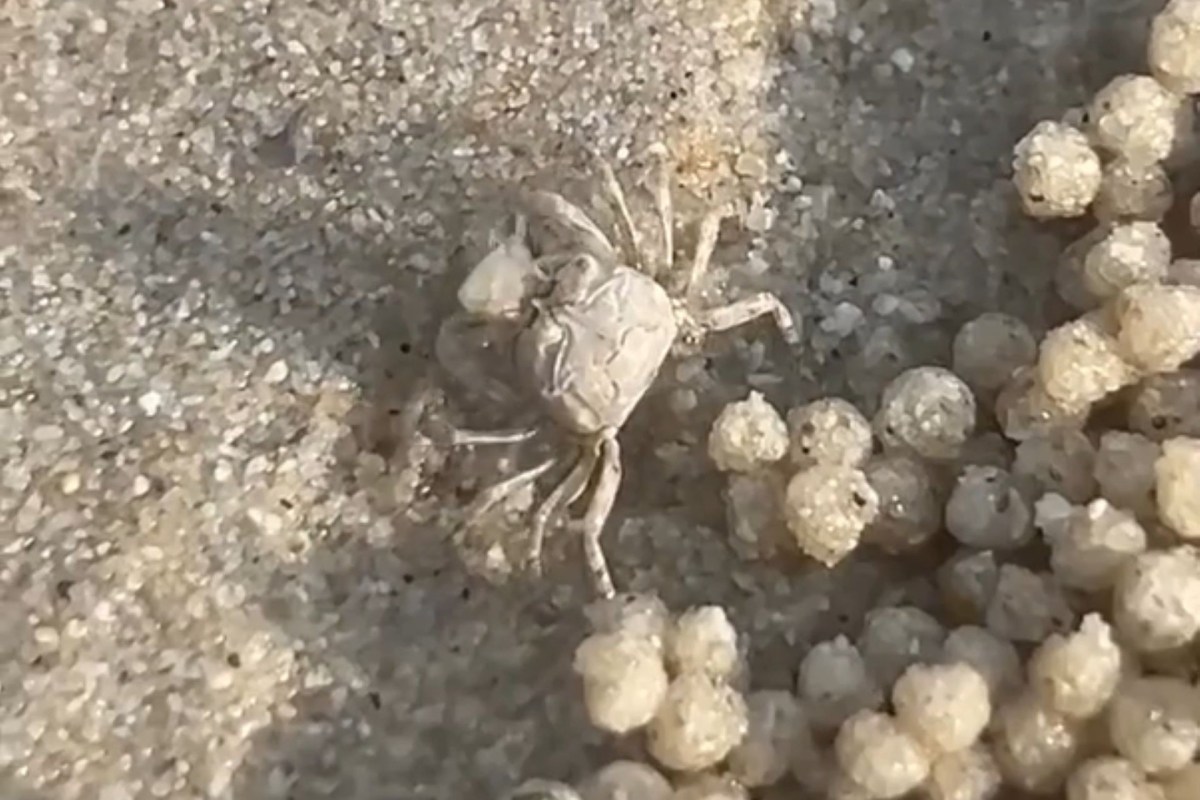
In a Reddit post that racked up more than 4,000 upvotes, sand bubbler crabs are shown turning damp sand into neat little pellets as they search for food too small for the human eye to see.
In a subreddit dedicated to sharing "nature's best," the original poster explained that sand bubbler crabs are not only making patterns for fun, but they are also actually hunting.
(Click here to watch the video if the embed doesn't appear.)
By grabbing sand grains, passing them into their mouths, filtering out edible organisms, and then ejecting the leftover grains as tidy balls.
"Sand bubbler crabs are in fact hunting for microscopic life, called meiofauna, living in the damp sand," the user explained.
TCD Picks » Quince Spotlight
💡These best-sellers from Quince deliver affordable, sustainable luxury for all




"They work at breakneck speed passing sand grains into their mouth filtering out all the meiofauna and kicking aside the waste rolled into little cleaned sand grain balls."
The video shows the crabs moving quickly across wet sand, seeming to vacuum up the beach one pinch at a time. What looks like decorative beach art is actually the byproduct of feeding, with each tiny ball made of cleaned sand the crab has already sifted through.
That mix of speed, precision, and surprising purpose appears to be a big reason the post captured so much attention online.
The clip is a reminder that beaches are much busier ecosystems than they might appear at first glance. Even a patch of smooth, wet sand can be packed with life, from tiny invertebrates hidden between grains to the crabs that rely on them for food. And a behavior that might look quirky or decorative is actually part of a working food web.
The post also offers a different way to think about the strange patterns people notice at the shore. Those little pellets are not random debris. They are signs of active foraging by animals that help reshape the surface of the beach.
Most beachgoers will never see meiofauna directly, but they can see the evidence that these tiny organisms support larger animals.
Viral nature posts often help connect people to ecosystems they may encounter on vacation or in everyday life, turning a casual beach walk into something more observant and respectful.
Plenty of viewers were fascinated by the explanation behind the sand-ball patterns.
One amazed Reddit user commented, "All of that was done by one crab?! That meiofauna must be seriously nutrient rich for the crab to expend that much energy to eat them."
Another remarked, "One of the most bizarre things I've seen so far."
"He looks like he's preparing for the snowball fight of his little crab life," one user joked.

Get TCD's free newsletters for easy tips, smart advice, and a chance to earn $5,000 toward home upgrades. To see more stories like this one, change your Google preferences here.