


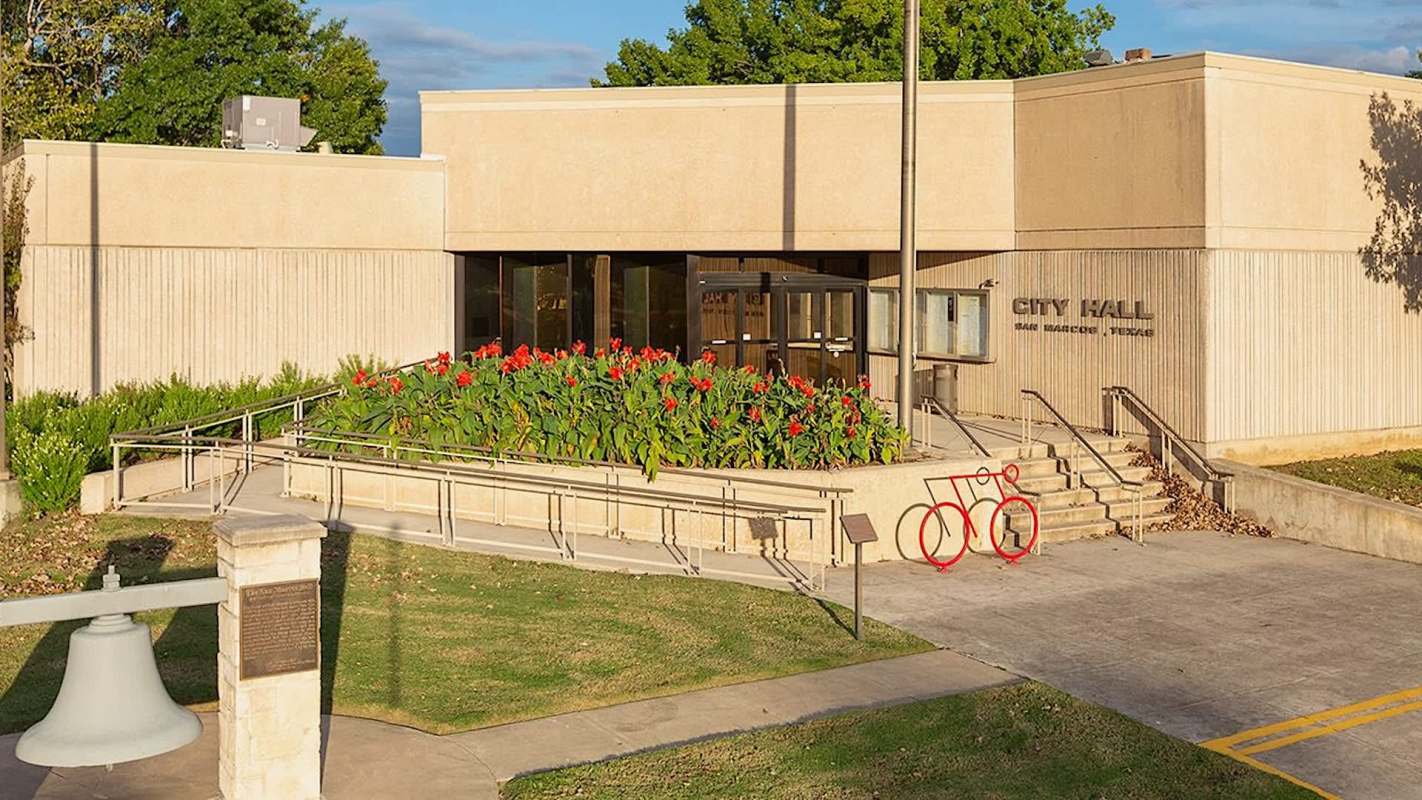
San Marcos, located between Austin and San Antonio, is the first city in Texas to bar data centers, a move driven by residents who said the projects could overburden local resources and disrupt nearby neighborhoods.
That opposition was especially visible at City Hall, where discussions about data centers drew overflow crowds.
What happened?
According to Spectrum News, the San Marcos City Council approved the ban June 16.
Council member Amanda Rodriguez, who introduced the amendment, said the outcome came as "a big surprise," the outlet reported.
The measure also gained the support of council member Lorenzo Gonzalez despite his earlier position against it.
In a Facebook post cited by Spectrum News, Gonzalez wrote, "After listening to residents and learning more about the issue, I ultimately concluded that the promised benefits remained speculative while many community concerns remained unresolved."
TCD Picks » Quince Spotlight
💡These best-sellers from Quince deliver affordable, sustainable luxury for all




Many residents criticized large data centers, with some already living next to construction of the CloudBurst Data Center that broke ground in 2025.
Abigail Lindsey told Spectrum News that she lives near the rising data center and is concerned about what life will be like once the project is up and running.
"I'm really worried about sound," Lindsey said to the outlet. "I just…I can't fathom it."
Rodriguez said the decision to ban the industry reflected sustained public engagement.
"I think it's just truly a testament to all of the knowledge that we continue to get both by our community members, by people who would call in, who care about these issues, and I'm happy to see where it turned out," she said, as Spectrum News reported.
Why does it matter?
Data centers support many of the digital tools people rely on every day, from cloud storage and streaming services to artificial intelligence. But those facilities can also require large amounts of electricity and water while producing constant noise.
Residents pointed to electricity demand, water consumption, and noise as major concerns, arguing that those issues could shape everyday life and long-term planning in the rapidly growing area.
The decision also reflects a broader tension playing out in communities across the country. Supporters of data centers often argue that the facilities can generate tax revenue, infrastructure investment, and jobs. Critics, meanwhile, say the economic benefits may be limited compared with the burden placed on neighborhoods and local utilities.
What's being done?
According to Spectrum News, much of the organizing effort came from local residents and the Data Center Action Coalition.
Si Frede, who works with the coalition, told the outlet the coalition "did a number of panel discussions and info sessions and things like this and started to kind of slowly bring more people into the organizing, having monthly orientations."
Lindsey, who was also part of the effort supporting the data center ban, described the process this way, per Spectrum News: "It starts with people and communities getting together, protesting, doing petitions, coming together, going to these meetings, and then people start to notice, then city council starts to notice."
Stronger siting rules, water protections, sound limits, and community-benefit agreements could offer a middle ground for places trying to balance digital growth with residents' well-being.
"I think it's important for us as colleagues to hold each other accountable and remind one another who our real bosses are, and that's the people," Rodriguez said.

Get TCD's free newsletters for easy tips, smart advice, and a chance to earn $5,000 toward home upgrades. To see more stories like this one, change your Google preferences here.






