


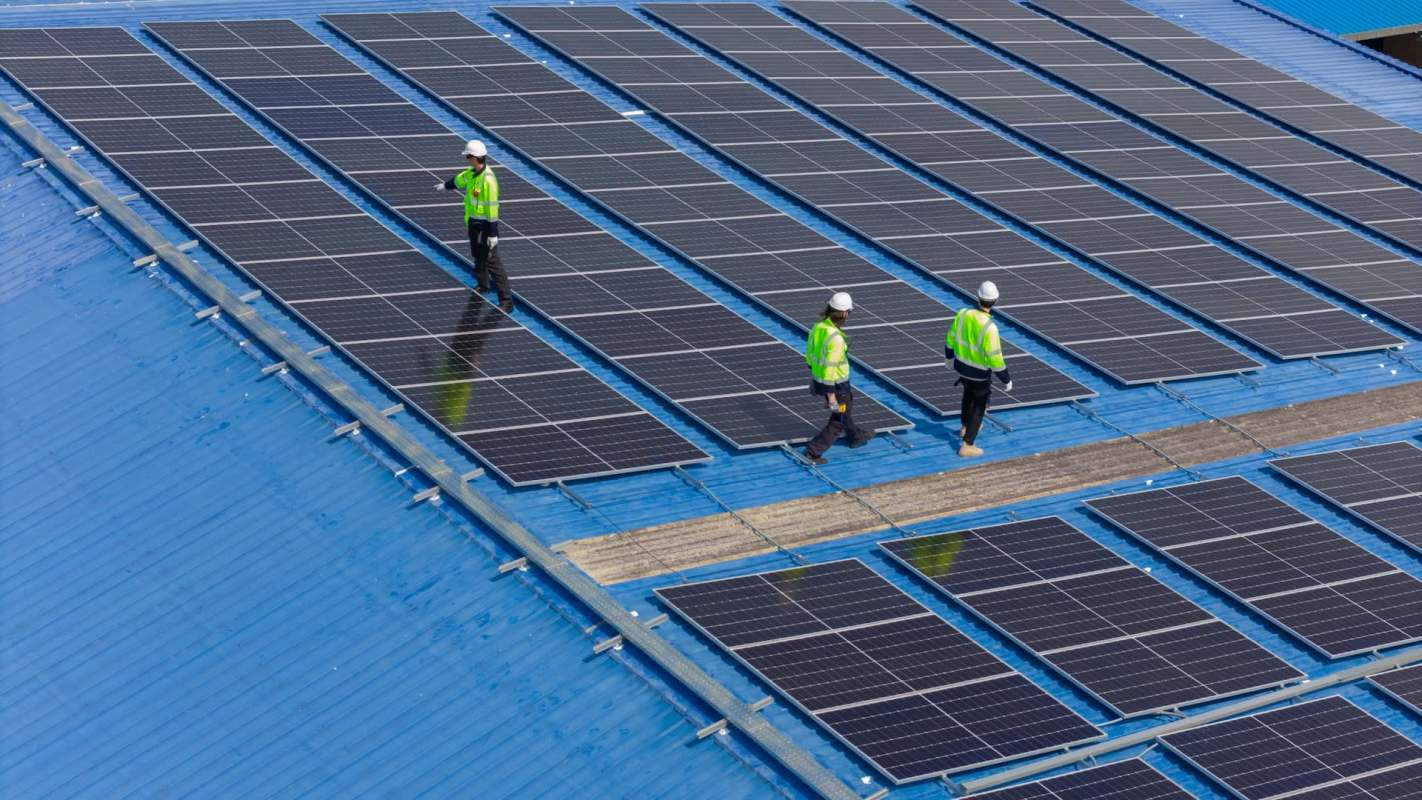
San Antonio is betting that one of Texas' most abundant resources can do more than cut pollution: it can also lower city costs and keep essential buildings operating when the grid is under strain.
City officials say the large municipal solar expansion is on track to make everyday public services more affordable and more reliable for residents.
What's happening?
What city leaders describe as Texas' largest city-run solar program got City Council approval in 2023 as a multiyear effort.
According to Spectrum Local News, San Antonio Director of Resilience and Sustainability Laura Patino said the city secured $30.7 million to begin the rollout. The solar company Big Sun Solar is adding rooftop panels and solar canopies at 52 city-owned sites.
Patino summed up the reasoning plainly: "Here in San Antonio, we have an abundance of sun, so why not use it."
City leaders say the buildout will cut municipal utility spending by 11%. When the full project is finished, it is expected to generate about 13 megawatts of electricity, enough to power several thousand homes, a notable savings for a big-city budget that also helps support libraries, fire stations, and community centers.
TCD Picks » Quince Spotlight
💡These best-sellers from Quince deliver affordable, sustainable luxury for all




Why does it matter?
Lower operating costs at the city level can free up taxpayer dollars for public services rather than recurring utility expenses.
The project could also make public buildings more reliable during extreme weather events in Texas, where heat waves, storms, and grid disruptions can quickly become public safety concerns. Patino said one building is already producing much of its own electricity on-site: "So that is about 60% of energy usage what this building usually takes from the grid, is now being produced on site, making it truly resilient."
During emergencies, city buildings such as libraries, fire stations, and community centers can serve as places where residents can cool off, charge devices, or get assistance. Patino said, "If there is a power outage, or we have a disruption in the grid, this building can continue to operate to serve as a residence hub."
The project brings environmental benefits, too. Solar energy reduces reliance on coal, oil, and gas and can help improve air quality over time while also lowering energy costs.
What's being done?
The city is also using federal clean-energy incentives designed to help local governments recover part of the upfront cost.
Some of that federal support is already coming back to San Antonio. Patino said the city expects to receive no less than $7 million in federal tax credits over the next 25 years and has already begun receiving payments. "We received the first check for the U.S. Department of Treasury that was $1.2 million in tax rebates coming directly to the city for the first six projects that were installed in 2024," Patino said.
That kind of return could encourage more cities, schools, and companies to pursue similar projects, particularly because solar can both lower energy bills and provide backup value at critical facilities. San Antonio joins other cities exploring how solar can strengthen the power grid during emergencies. New Orleans, for example, is installing hundreds of solar-tied batteries to keep homes and businesses running during outages.
For Patino, the value is both practical and financial. "It's free energy that we can recapture to power our buildings," Patino said. And for taxpayers, she added, "That's direct savings that are demonstrating good use of taxpayers' dollars."

Get TCD's free newsletters for easy tips, smart advice, and a chance to earn $5,000 toward home upgrades. To see more stories like this one, change your Google preferences here.






