


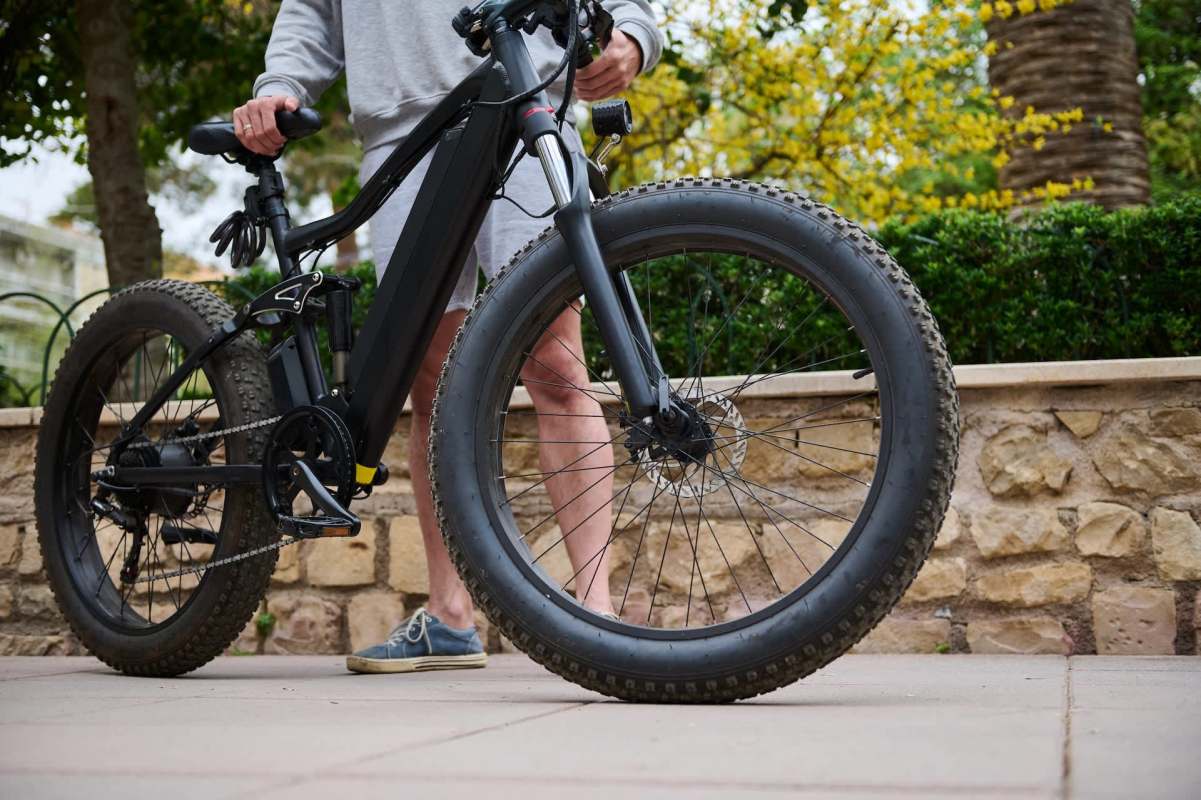
For people who live without a car, the hardest part of getting around is often not the entire trip but the gap between the bus stop and the final destination. San Antonio's e-bike voucher pilot is showing just how much that "last mile" can shape daily life.
Here's what to know
Spectrum Local News checked in with participants over the last year-plus. Patricia Fennell, a downtown resident who goes by Miss Patty, said the program made a difference right away.
"Sometimes, when you're riding the bus, you always got to remember, every stop is not close by where you need to go," she told the outlet.
Selected low-income residents receive a $1,000 voucher to put toward an electric bike and only have to pay the sales tax themselves. San Antonio's Department of Resilience and Sustainability launched the pilot in March 2025, as Spectrum Local News reported.
A neighbor's encouragement is what led Fennell to apply, she said.
"First time I didn't get picked, but the second round I did," she relayed to the station. "I was so glad of it and really appreciative of it."
TCD Picks » Quince Spotlight
💡These best-sellers from Quince deliver affordable, sustainable luxury for all




Laura Patino, director of San Antonio's Department of Resilience and Sustainability, said more than 4,500 residents applied over two application cycles, but just 425 were chosen to receive vouchers.
Patino said the first phase suggests the pilot is accomplishing what city officials hoped it would.
"[One of the] findings from the first phase is that it really is improving in providing additional accessibility for folks," she told Spectrum Local News. "Even improving the last mile solution from public transit."
More background
Patino said the city funded the pilot with a federal Energy Efficiency and Conservation Block Grant from the Department of Energy. Officials designed the program to reduce transportation costs and cut pollution from short car trips.
Patino told the station the program has reduced greenhouse gas pollution by about 2,000 pounds.
"We're also providing alternative modes of transport," she said. "And at the same time, it's also an opportunity for folks to get outside and exercise."
Drawing on data from more than 1,000 e-bike trips, Ricardo Ambriz, San Antonio's sustainable transportation manager, said the bikes appear to be helping people commute more quickly.
"The average e-bike trip is about three miles," Ambriz noted to Spectrum Local News. "So, people are using it to replace short car trips or where it's just a little too far to walk comfortably, especially in the heat."
What's being done?
Beyond ridership, the pilot is also giving the city a better sense of who wants expanded e-bike access. Ambriz reported to the station that applicants ranged in age from 18 to 65 and that people around age 40 applied most often.
Now, the hope is to keep the program running despite San Antonio's $158 million budget deficit. Spectrum Local News said the city is looking at a wide swatch of funding options to make that happen.
Miss Patty and others are evidence of the program's value, and Patino touted it as a major value-add for the area.
"Really addressing what our community needs are through one program," she concluded to the station.
Where can I learn more?
Other cities are also testing whether e-bike incentives can make short trips cheaper and easier.
• In Atlanta, a highly popular e-bike rebate reached roughly 2% of the city's population.
• In Denver, the sold-out rebate program closed in just eight minutes.
• In Minnesota, lucrative e-bike rebates drew more than 14,000 applications from residents.

Get TCD's free newsletters for easy tips, smart advice, and a chance to earn $5,000 toward home upgrades. To see more stories like this one, change your Google preferences here.






