


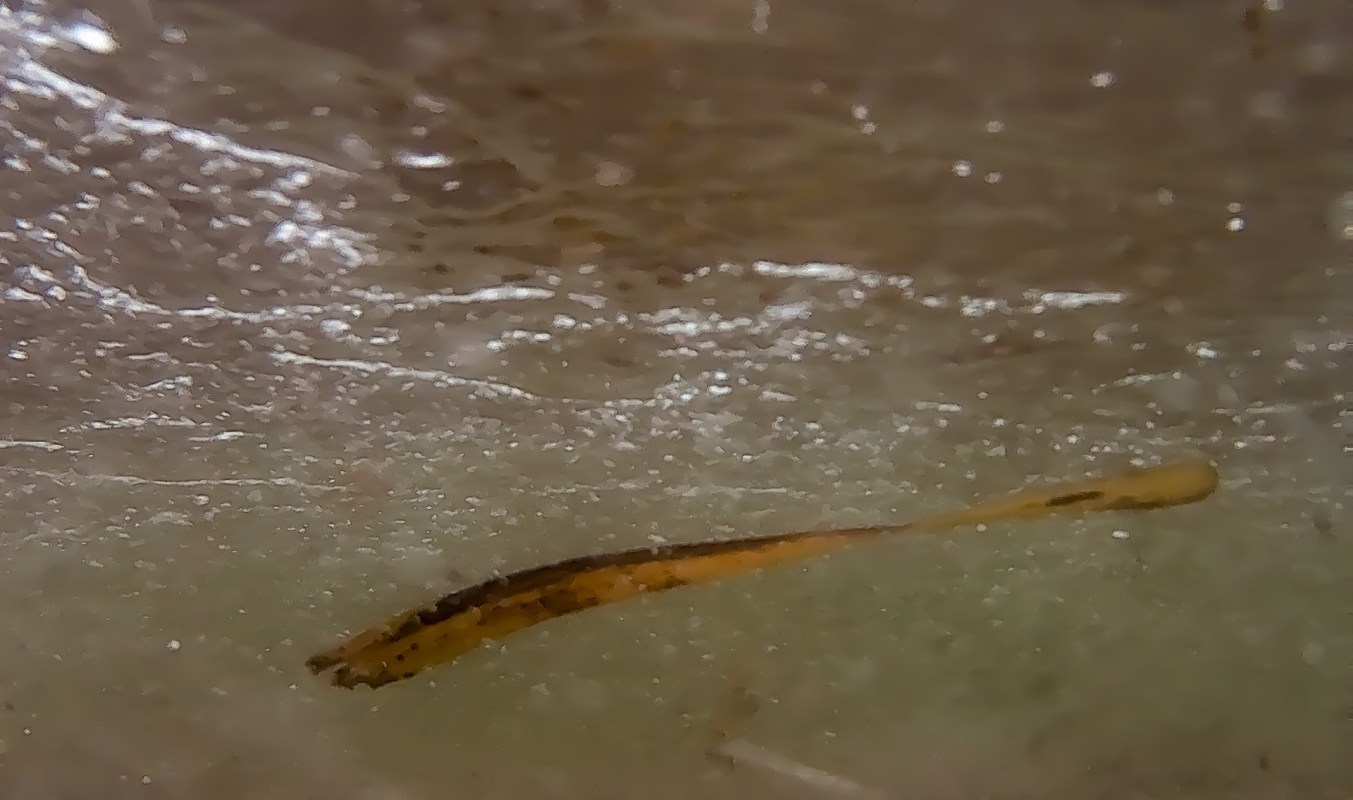
A fascinating discovery pulled from Siberia's permafrost has shed light on the possibility of life surviving in icy conditions and ignited fresh hope for the future of cryopreservation.
Scientists have recovered a 24,000-year-old worm-like creature called a rotifer from a sample of permafrost, as the Indian Defence Review reported.
According to the analysis published in the journal Current Biology, it had remained frozen since the Late Pleistocene.
Under meticulous laboratory conditions, they thawed the tiny creature — a multicellular but microscopic organism — and were delighted to see it begin to move and function again as if it had never been frozen.
In fact, not only did the rotifer move, but it even reproduced asexually, creating more like it.
"Our report is the hardest proof as of today that multicellular animals could withstand tens of thousands of years in cryptobiosis, the state of almost completely arrested metabolism," said lead researcher Stas Malavin, per the Indian Defence Review.
TCD Picks » Quince Spotlight
💡These best-sellers from Quince deliver affordable, sustainable luxury for all




Living organisms have been revived from long-term stasis in ice before. However, those were much simpler creatures, mostly single-celled organisms.
The more complex a living thing is, the more likely it is to be damaged by the process of being frozen, and the more difficult it is to bring it to a state of cryopreservation in which it can rest safely.
However, humanity will need to unravel this mystery if it ever intends to use cryopreservation in any of the ways that science fiction has dreamed up.
Being alive in the year 2026 is an impressive achievement for an organism born in the heyday of mammoths and saber-tooth tigers.
|
Which of these savings plans for rooftop solar panels would be most appealing for you?
Click your choice to see results and earn rewards to spend on home upgrades. |
 Save $1,000 this year 💸
 Sadly, the news is not all good.
Ancient microbes, such as viruses, are among the living things preserved in permafrost, and because they are biologically simpler than a rotifer, they are easier to revive.
Some have actually proven to be infectious after being warmed up. While none have yet posed a health risk to humans, this could become a problem, especially as the world warms and frost thaws without any intervention by scientists.

Get TCD's free newsletters for easy tips, smart advice, and a chance to earn $5,000 toward home upgrades. To see more stories like this one, change your Google preferences here.






