


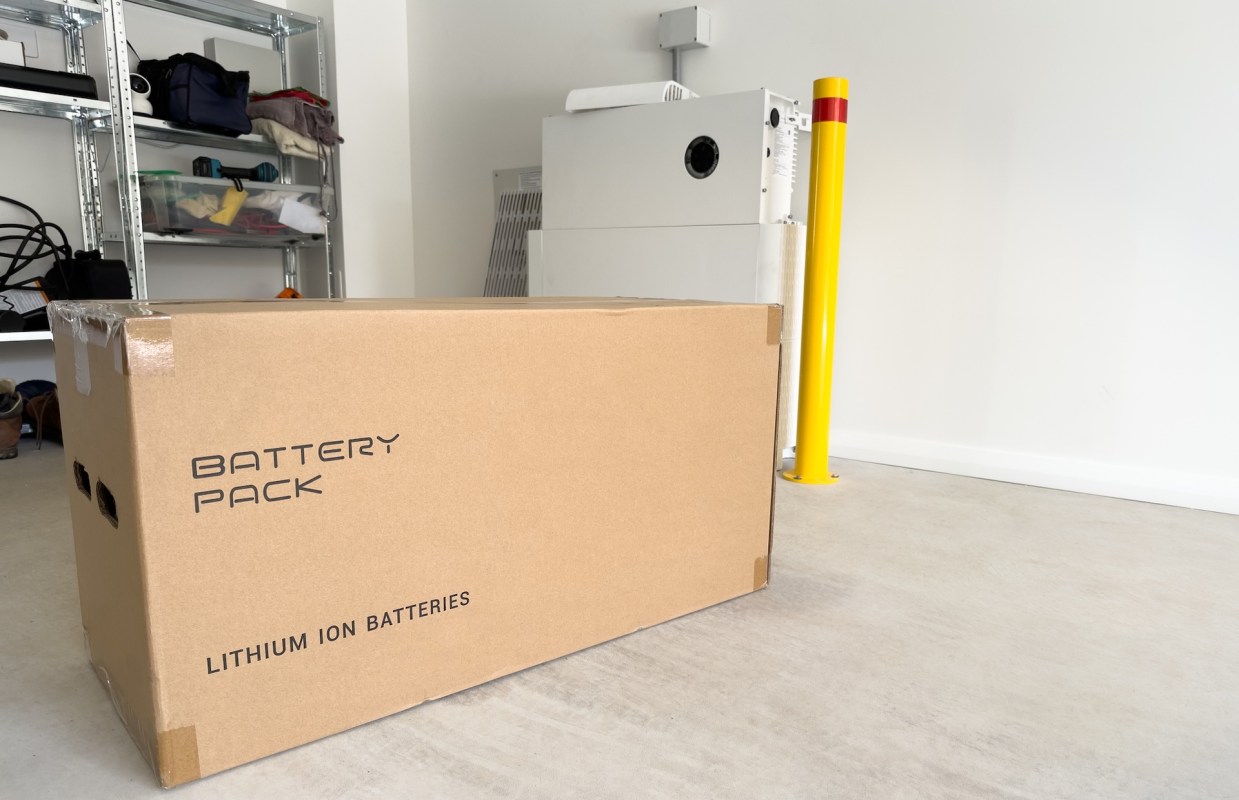
Home solar has left many Australian households able to do more than just trim their power bills: they can make electricity on-site, store it in a battery for later, and sometimes export it for money. Yet as battery adoption rises, homeowners in the country are hesitant to let the larger grid tap into their excess stored energy.
What's happening?
In Melbourne, homeowner Chris Richardson said his rooftop panels and battery make his house operate almost like its own small grid system, lowering both his electricity and gas bills, according to ABC News.
He has also joined a virtual power plant, or VPP, under which an energy company can control part of the power stored in his battery and send it back into the grid when demand calls for it. In return, Richardson is paid for any excess electricity sent back to the grid.
Programs like this can offer homeowners a financial incentive for power that may normally not be used.
Even so, ABC News reported that VPP enrollment among solar panel and battery owners in Australia is still relatively low. Citing the Australian Competition and Consumer Commission, the outlet noted that fewer than one in four people installing batteries through Australia's subsidy program were signing up for its VPP program.
That hesitation may cost participants some savings: the ACCC found, as ABC News reported, that people in VPPs generally saved more than those who used batteries independently. The ACCC's deputy commissioner Anna Brakey said: "If you have a battery and participate in a virtual power plant product, those savings are higher at around 60 per cent."
Adding battery storage is one of the best ways to protect your home during outages, save money on energy, and even move closer to going off-grid. If you're curious about how much a battery could save you, EnergySage's free tools can help you explore home battery storage choices, including competitive installation estimates from trusted contractors.
EnergySage has teamed up with the electrification brand Qmerit to guarantee you get the best price on home battery storage solutions based on your home and budget.
Save $10,000 on solar panels without even sharing your phone number Want to go solar but not sure who to trust? EnergySage has your back with free and transparent quotes from fully vetted providers in your area. To get started, just answer a few questions about your home — no phone number required. Within a day or two, EnergySage will email you the best options for your needs, and their expert advisers can help you compare quotes and pick a winner. Solar panels can save you more than $50k over their 25-year lifespan, and EnergySage can help you save as much as $10k on installation. Which begs the question — isn't that worth an email or two? |

Why does it matter?
The scale of home-based clean energy in Australia is already enormous. As reported by ABC News, Professor Yolande Strengers of the Monash Energy Institute said more than 4 million homes have solar panels, while nearly half a million have batteries.
The sticking point is confidence. Professor Strengers said, "For many people it's also about wanting greater independence and resilience in the energy system and wanting to take back control."
A home battery backup can keep essential appliances running during blackouts, reduce reliance on volatile utility prices, and give households more freedom over how they use the electricity their roofs produce.
If you're interested in a home battery, but aren't ready to invest in a whole-home system, another option is Pila, whose plug-and-play batteries are priced at a fraction of what larger backup systems cost while offering enough energy for vital appliances.
In response to low signup numbers, ABC News reported that some businesses are proposing alternatives to the standard VPP setup. Simon Hackett, who leads Energy Autopilot, says households should have ways to sell power more directly rather than ceding battery control to a conventional VPP provider.

Get TCD's free newsletters for easy tips, smart advice, and a chance to earn $5,000 toward home upgrades. To see more stories like this one, change your Google preferences here.






