


Rolling blackouts are forcing households to piece together backup power solutions on short notice, but what looks like a budget buy can become a frustrating technical problem.
That was the situation facing one family trying to keep their laptops charged during long outages.
Here's what to know
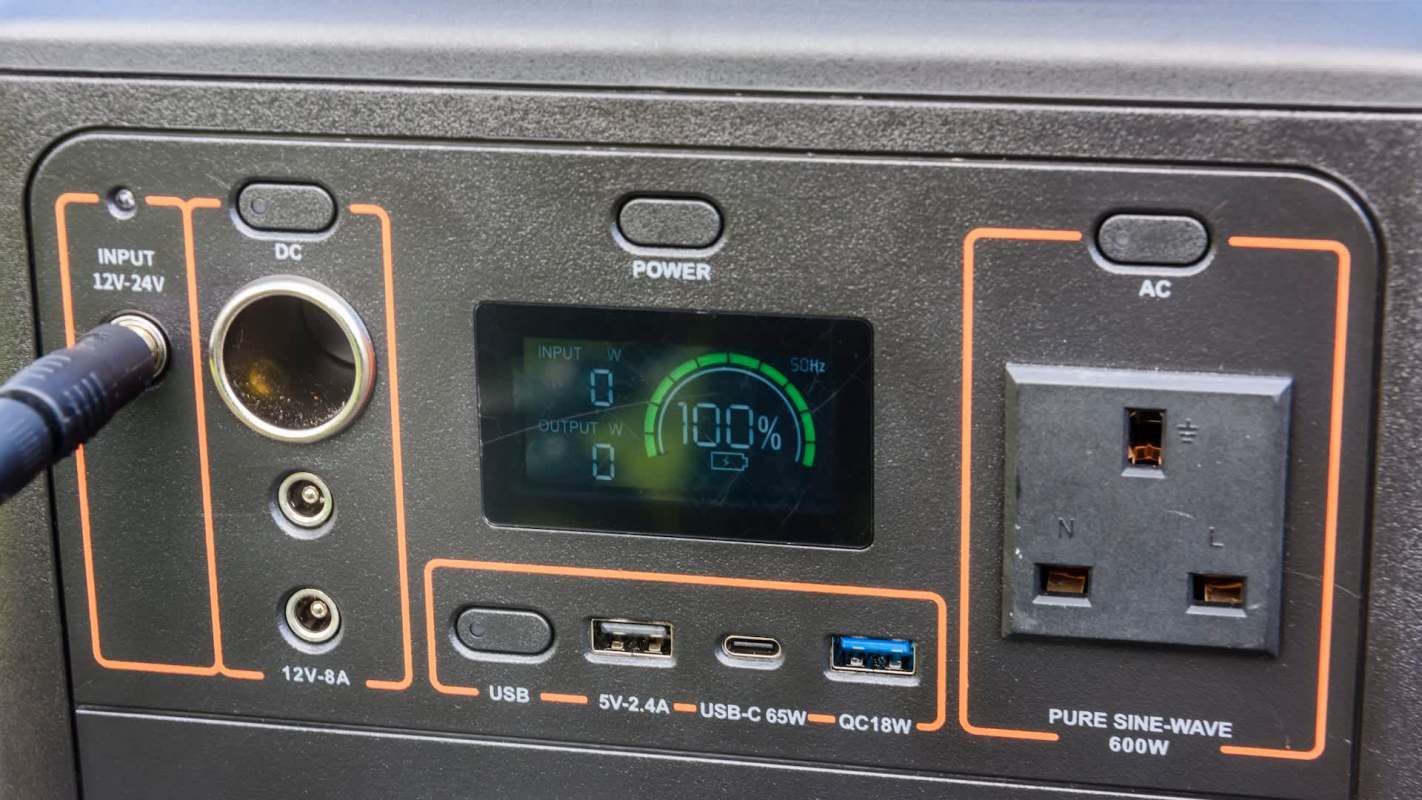
The original poster shared a thread in Reddit's r/SolarDIY community, noting outages in their area sometimes lasted 10 to 12 hours and that their household had bought a 288-watt-hour power station.
"Since the rolling blackouts started in our area, we decided to get a beefier power bank," they wrote. "... Searching for the options within our budget, we came across a very reasonably priced power station instead (thanks to my wife's coupons). So suddenly, we ended up with a solar option."
The OP noted that the power station required a 100W maximum panel with input of 20-30V. "Practically, such panels do not exist," they added. "I mean they do, if you are willing to get one of those very expensive portable ones with this rare voltage range. The other option is to get a 200W panel (at almost double the price of a 100W)."
They wanted to know their options, wondering if they could set up a 100W, 18V solar panel.
One commenter pointed out an inconsistency in the post, writing, "I don't understand why you want an 18V panel if the power station only works with solar input of 20-30V."
The OP responded: "There is only one reason for going after an 18V panel: I cannot find a reasonably priced 20V+ one. Practically every 100W hard panel I can find is 18V. For some reason the station's minimum input voltage is 20V, extremely narrowing the panel options."
Save $10,000 on solar panels without even sharing your phone number Want to go solar but not sure who to trust? EnergySage has your back with free and transparent quotes from fully vetted providers that can help you save as much as $10k on installation. To get started, just answer a few questions about your home — no phone number required. Within a day or two, EnergySage will email you the best local options for your needs, and their expert advisers can help you compare quotes and pick a winner. |

Another commenter said: "The 200W one should be fine. Meet the voltage requirements first. Amps will be throttled by your MPPT unless it's a total total total piece of crap."
More background
For homeowners, going solar is one of the best ways to save money on home energy, especially when outages make dependable backup power even more valuable.
But the discussion showed how easy it is to run into trouble when shopping by wattage. In this case, the family was trying to save money without buying a pricy specialty panel or moving up to a 200-watt option that was hard to justify for a small backup setup.
A mismatch can leave consumers with equipment that simply will not charge, even if the specs are close on paper. For households dealing with long scheduled outages, getting the voltage right can mean getting use out of a small battery instead of spending more on gear they may not need.
More From EnergySage
💡Go deep on the latest news and trends shaping the residential solar landscape




Readers looking into bigger long-term savings can explore EnergySage to get free solar installation estimates, more information and guidance, and compare quotes. Those who do can save up to $10,000.

Get TCD's free newsletters for easy tips, smart advice, and a chance to earn $5,000 toward home upgrades. To see more stories like this one, change your Google preferences here.







