


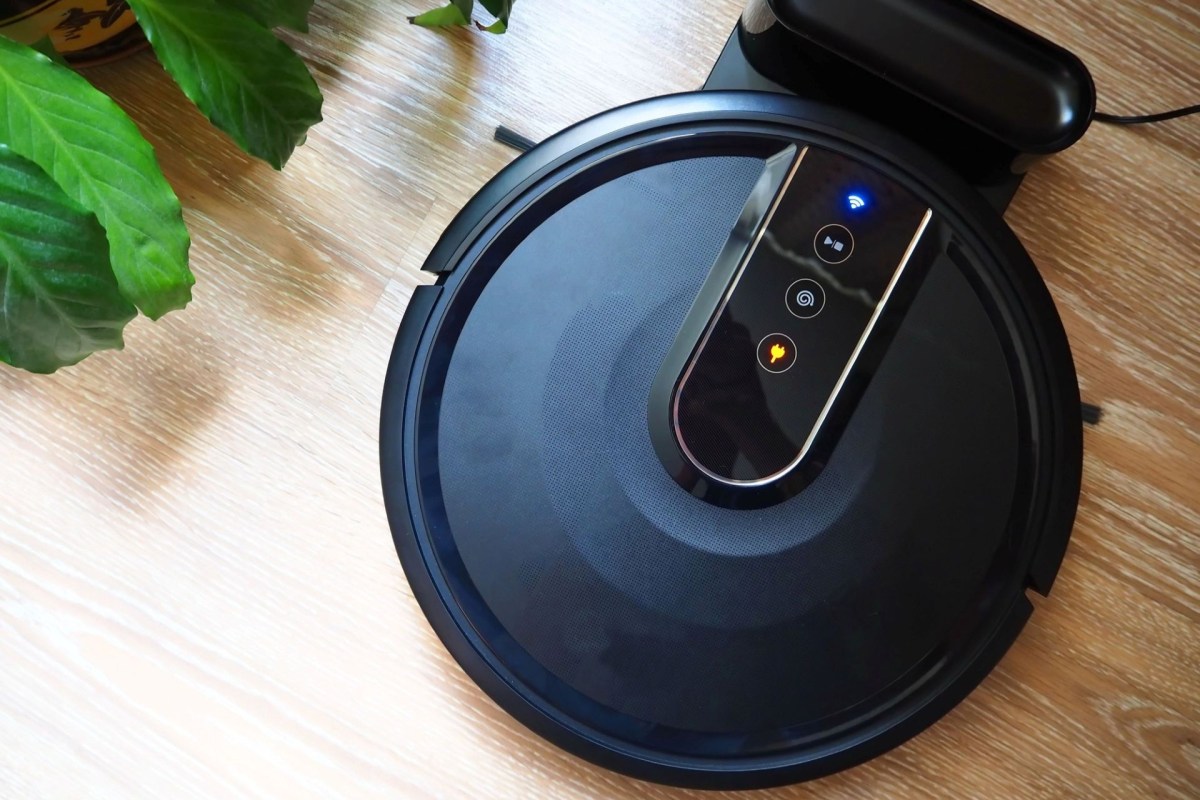
For shoppers who want to buy a robot vacuum without sacrificing privacy, the options may be far more limited than the marketing makes them seem.
A Reddit discussion about whether such a device can clean well without sending data to the cloud suggested that local-only control usually requires extra work. It may also save money, extend the vacuum's useful life, and give owners more control over how the device operates.
Here's what to know
In one Reddit discussion, a poster with an engineering background asked for a robot vacuum that cleans well while keeping its decision-making and data entirely inside the home.
"Basically, I want a device that cleans very well but does NOT send any data to a cloud service," the original poster wrote. "It must run its neural network based control logic or whatever completely local. NO INTERNET CONNECTION must be required."
Many commenters agreed that full local control generally means starting with hardware that can be modified to run Valetudo software.
"You will need to buy a Robot Vacuum that's supported by Valetudo, and then modify the vacuum to run Valetudo, which is not a risk-free thing," one person commented.
TCD Picks » Quince Spotlight
💡These best-sellers from Quince deliver affordable, sustainable luxury for all




Another person added: "It does take some tinkering but the payoff is worth it, full local control and no cloud nonsense."
Another commenter recommended searching for a used product rather than buying expensive new models. "There are plenty of dumb robots in the used market," they started, referring to the opposite of a "smart" home device. "Every time I go to my local thrift store I see a few for $20 - $25 … Keep in mind a used or old robot might not have the best cleaning performance or features."
More background
The thread reflected a broader frustration beyond a single appliance: Many consumers are wary of smart products dependent on a company's servers, app support, and policies.
That issue can matter even more with a robot vacuum, since many buyers expect the device they bring into their home to keep working for years. In recent years, consumers have grown more cautious about robot vacuums, fearing that their mapping systems of people's homes may not be secure or may even be shared with third parties.
The concern is not only about privacy. If a vacuum relies on remote infrastructure, a changed app, removed feature, or dropped support can make the machine less useful long before the hardware itself wears out.
A local-first approach is meant to reduce that risk by helping owners keep control of the product they bought, avoid premature upgrades, and keep using the same machine longer.
It may also reduce waste. Keeping one appliance in service for years, especially a used model brought back with new software or a fresh battery, can mean fewer electronics ending up in landfills and more use from something that has already been manufactured.
What can be done?
Commenters largely framed the decision as a practical one: Buyers who care most about privacy should look at which robot vacuums Valetudo supports and then decide whether the setup work feels worthwhile.
The thread also offered a lower-tech fallback: Pick a robot that can still clean without being online, then never let it connect.
One commenter said: "All robot vacuums want to connect to the Internet. The best solution is to simply not do that. Then you have a dumb robot, but hopefully one that works."
That choice may require giving up app-based extras, but it can also help owners avoid cloud lock-in, get more value from a cheaper used device, and keep household data closer to home.
Where can I learn more?
For more on household automation and cleaning tech, these stories look at how robots are starting to shape everyday chores.
• Homeowners weighing automation can compare pros and cons of electric robot mowers like Worx Landroid.
• At Williams Sonoma and Crate & Barrel, a cordless vacuum sold there can ignite.
• A startup says its brainy AI trash scanner could reshape how households sort everyday waste.
• Oshkosh is developing robots that can pick up your garbage right from the front door.
• AMP Robotics is deploying robots to fix recycling problems in industrial sorting lines.

Get TCD's free newsletters for easy tips, smart advice, and a chance to earn $5,000 toward home upgrades. To see more stories like this one, change your Google preferences here.






