


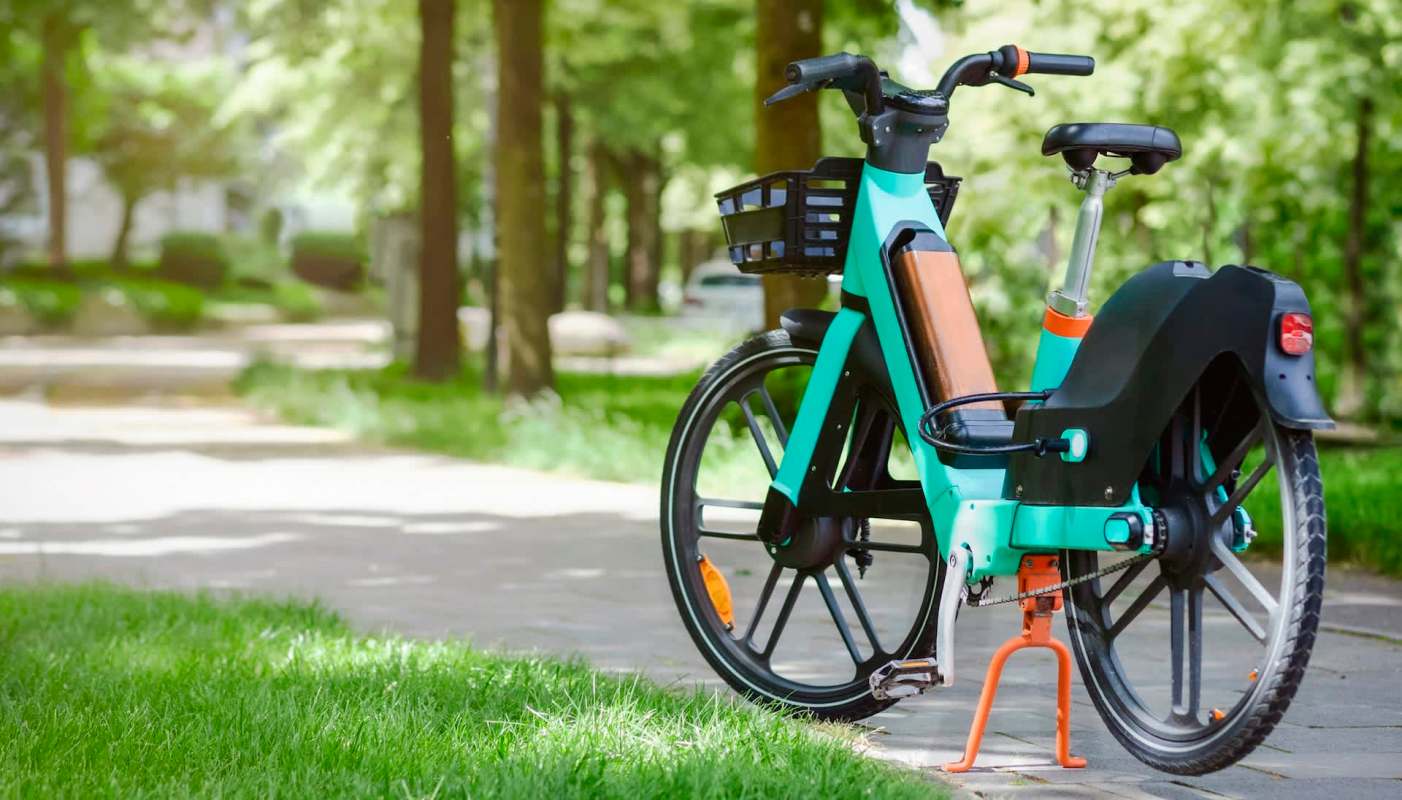
As student e-bike commuting becomes more common, school districts must sort out campus rules, identify which riders have met safety requirements, and determine which students are permitted to park at school.
In Riverside County, one rollout is testing a digital platform that handles registration, safety instruction, parent sign-offs, and parking permits in one place, KESQ reported.
Here's what to know
Riverside County middle and high schools are getting a centralized tool for overseeing student e-bike commuting through a platform called Safe Ride Schools.
It lets schools check which bikes are registered, which students have sufficient safety training, and who is approved to park on campus.
Families start by submitting e-bike information, including the brand, model, serial number, class, and a photo. From there, students complete web-based safety modules and quizzes, while parents or guardians digitally approve school safety agreements and district policies.
After they meet those requirements, students obtain a QR-code campus parking permit. School staff can scan the code to verify that the rider is registered and approved to park.
TCD Picks » Quince Spotlight
💡These best-sellers from Quince deliver affordable, sustainable luxury for all




Administrators also get a dashboard that shows sign-ups, completed safety training, and permit activity.
That gives schools an alternative to using paper forms and spreadsheets for registrations and safety requirements.
More background
E-bikes are increasingly filling an important gap for families.
They can make school commutes cheaper and less reliant on cars. For many households, an e-bike is one of the most affordable ways to replace car trips.
When schools lack a clear setup for parking and safety, those responsibilities can end up being managed through paperwork and spreadsheet logs, as KESQ noted.
Requiring students to complete lessons before receiving a permit directly links access to campus parking with basic safety education.
What's being done?
Safe Ride Schools said it built the platform as student e-bike use increased and many schools still managed registration and safety requirements through unwieldy forms and spreadsheets.
The company is offering districts a no-cost 90-day pilot.
The trial includes digital registration tools, web safety lessons, parent acknowledgments, QR-code permits, and access to the administrator dashboard.
Where can I learn more?
Riverside County's pilot is part of a much bigger conversation about how schools and lawmakers should respond as e-bikes become a more common way for students to get around.
The articles here look at how states, legislators, and bike manufacturers are tackling safety, enforcement, and access as more families use e-bikes for everyday trips.
• In Florida, lawmakers want to fine e-bike riders for dangerous modifications and traveling at unsafe speeds.
• In New Jersey, advocates say a ridiculous new e-bike law unfairly targets riders.
• Fiido introduced the world's first e-bike for kids with parent-focused controls.
These stories help explain why more schools are moving toward formal e-bike policies instead of handling issues case by case. They also show that student commuting ties into broader concerns about safety, affordability, and access.

Get TCD's free newsletters for easy tips, smart advice, and a chance to earn $5,000 toward home upgrades. To see more stories like this one, change your Google preferences here.






