


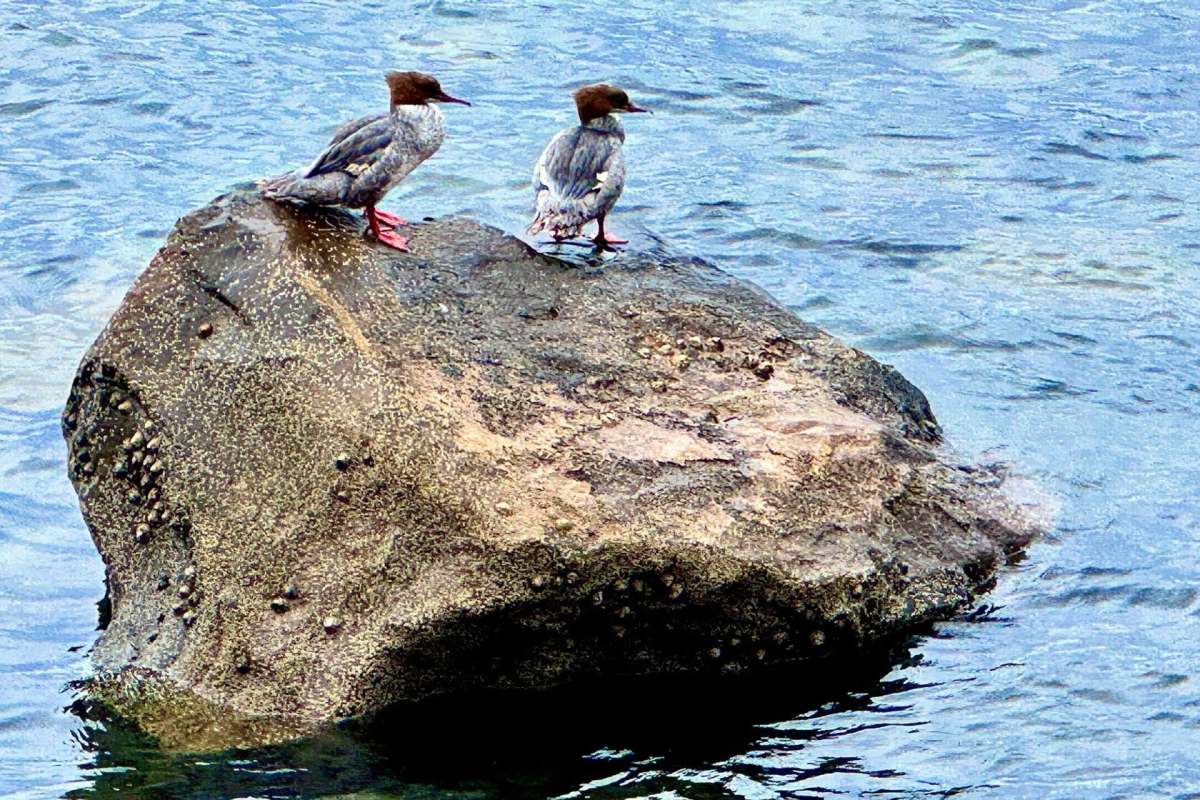
Tons of tiny plastic pellets spilled into England's River Tyne have sparked concerns that seabirds could mistake the pollution for food and starve.
Here's what to know
Newcastle University has secured £81,905 (approximately $108,235) from the Natural Environment Research Council to study the spill's effects on the River Tyne and nearby coastline, the BBC reported.
A July 19 collision between ships at the Port of Tyne sent the pellets, known as nurdles, into the river. Researchers across Tyneside are tracking how far the plastic travels and assessing its effects on birds, fish, and other animals.
Experts at Newcastle University are heading the investigation alongside colleagues at the University of Liverpool.
More background
Starvation is a risk for seabirds if nurdles fill their stomachs instead of food. The wider food chain could also be affected as the plastic gradually breaks down.
The BBC reported nurdle deposits on beaches in Tyneside, Wearside, and Teesside.
TCD Picks » Quince Spotlight
💡These best-sellers from Quince deliver affordable, sustainable luxury for all




Experts believe the pellets could have traveled as far as Denmark's coast.
What's being done?
The team is using stomach rinsing to check dead seabirds for nurdles. At the time of the report, researchers had spent six weeks conducting seabird necropsies at the Dove Marine Laboratory in Cullercoats, North Tyneside.
Dan Turner leads the work on dead seabirds and coordinates North East England Beached Bird Surveys.
"We haven't found any evidence of plastics in the stomachs just yet but we have more to check and have evidence that nurdles have been found in regurgitated material," Turner said, according to the BBC.
The team will spend the year mapping where the pellets travel to establish the extent of the spill. Volunteers are helping with the research, alongside Tyne Rivers Trust, the Environment Agency, and Groundwork North East and Cumbria.
"This will be a long-term issue, securing the grant now gives us room to conduct more research not just in the North East but worldwide," Turner said, according to the BBC.
Where can I learn more?
Other coastal communities are also dealing with plastic pollution and spills that threaten wildlife.
• On the Isles of Scilly, 98% of collected litter washed in from elsewhere.
• Off Turkey's Mediterranean coast, microplastic levels reached up to 65 times previous highs.
• On Russia's coast, two oil tanker wrecks left more than 1,000 endangered birds dead.

Get TCD's free newsletters for easy tips, smart advice, and a chance to earn $5,000 toward home upgrades. To see more stories like this one, change your Google preferences here.






