


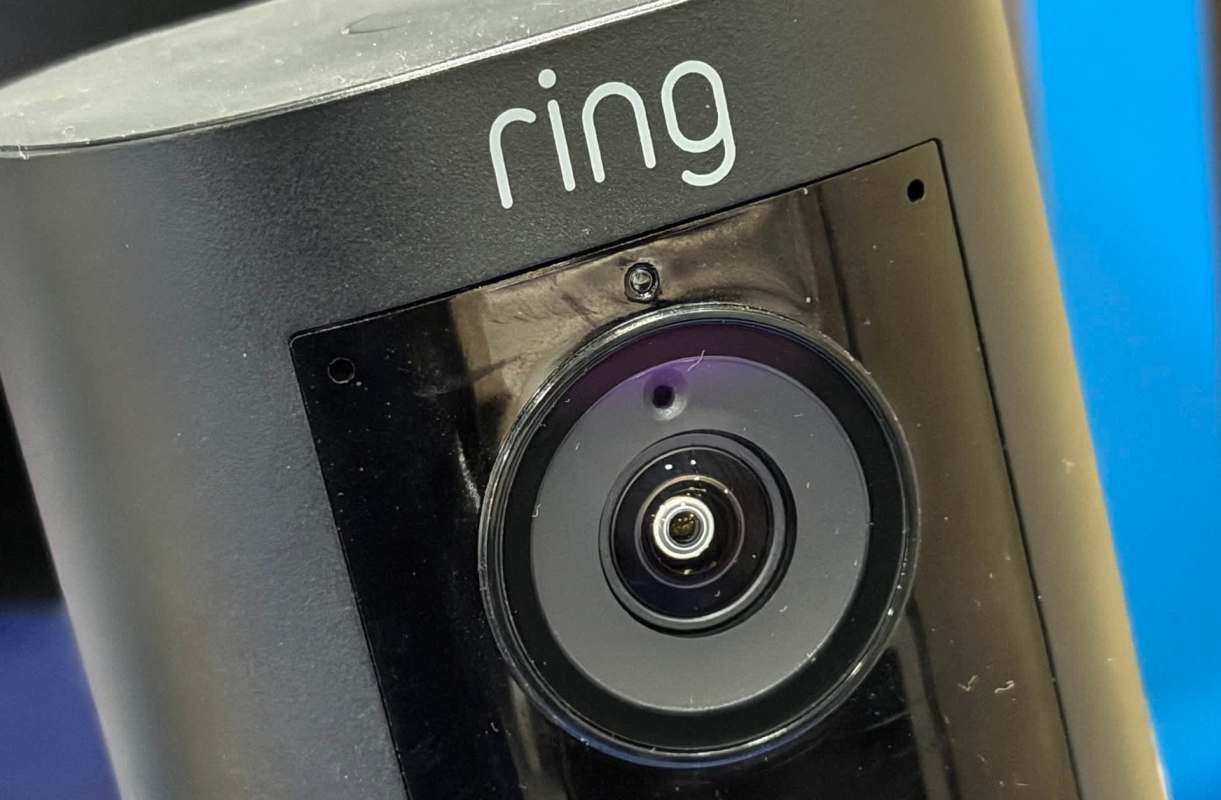
A Reddit post in r/AskUK struck a nerve after the original poster claimed a Ring doorbell had built profiles of family members by repeatedly photographing their faces.
More than the camera itself, what disturbed the poster was how ordinary the situation was: after a normal visit to their mother's home, they left worrying the feature was "another big step towards continuous mass surveillance?"
Here's what to know
In a post published on Oct. 10, the poster explained that a visit to their "mum" introduced them to a Ring feature that captures multiple images of a guest, asks the homeowner to label that person, and then recognizes them on later visits.
They said their mother had already created profiles for several relatives, with "countless new snapshots" stored from repeat visits over time.
The thread drew nearly 300 comments, with many people focusing less on convenience than on consent.
"I gotta admit it makes me feel quite uncomfortable," the original poster admitted.
TCD Picks » Quince Spotlight
💡These best-sellers from Quince deliver affordable, sustainable luxury for all




One commenter suggested the discomfort might also have a legal dimension.
"That new ring feature sounds like a GDPR violation to me, as no consent was given for processing of the biometrics by Amazon," one user said, referencing the European Union's General Data Protection Regulation law.
While that claim was presented as an opinion in the thread, it reflected a broader concern that visitors may be logged and labeled without ever agreeing to participate.
Another commenter was far more blunt.
"This is absolutely demented lol. Why have we all opted in to surveillance in our daily lives like this?" they replied.
More background
The device wasn't spotted in the context of workplace security or law enforcement — it was part of a family visit.
The poster said that while driving home, they began noticing how many homes seemed to have Ring doorbells, making it feel less like an isolated case and more like something widespread.
The people affected aren't just the homeowners who buy the product. Family members, neighbors, delivery drivers, and friends can all be recorded when they approach a front door, and the poster's account suggested those images may accumulate over repeat visits.
Commenters also tied the issue to broader distrust of large tech companies and how they handle personal data.
"I find it insane that people actively choose to put microphones and cameras made by some of the least trustworthy companies in the world into their homes," a user wrote.
Others raised concerns about data leaks and future uses of facial data.
"Do Amazon use the captured facial data for training AI I wonder?" one commenter asked.
"Given all the recent data leaks, this will only end one way," another warned.
What can be done?
The thread's strongest consensus was to stop using Ring products altogether.
"I've replaced all my ring things with locally connected equivalents, so my doorbell videos never get stored in anyone's cloud. As a bonus the notifications via the internal chimes and my home assistant server are practically instant," one said, citing decreased disruptions as a perk.
Others pointed to products designed to keep footage closer to home.
"Dumped Ring for Tapo a few years ago. Local storage on SD card. No subscription and no dodginess like this from Amazon," another replied.
"I have a Eufy that's a lot less sophisticated and doesn't require a subscription," a third offered, alluding to the sneaky subscription costs that often accompany smart home devices.
For others, the answer was to skip smart doorbells entirely.
"No, I just go to my door when somebody knocks. If I'm not in? I'll get them next time," a commenter said.
Where can I learn more?
Pushback over Ring's face-tagging feature fits into a broader debate over everyday surveillance and data-hungry home tech. Related coverage has also examined police camera networks, Wi‑Fi sensing, and a fine related to a doorbell cam.
• In Toledo, Ohio, a settlement sharpened scrutiny of surveillance camera networks behind routine police stops.
• Security researchers warned common routers could enable through-wall body tracking inside homes without cameras.
• In the UK, a dispute showed how doorbell camera footage can drive unexpected enforcement.

Get TCD's free newsletters for easy tips, smart advice, and a chance to earn $5,000 toward home upgrades. To see more stories like this one, change your Google preferences here.






