


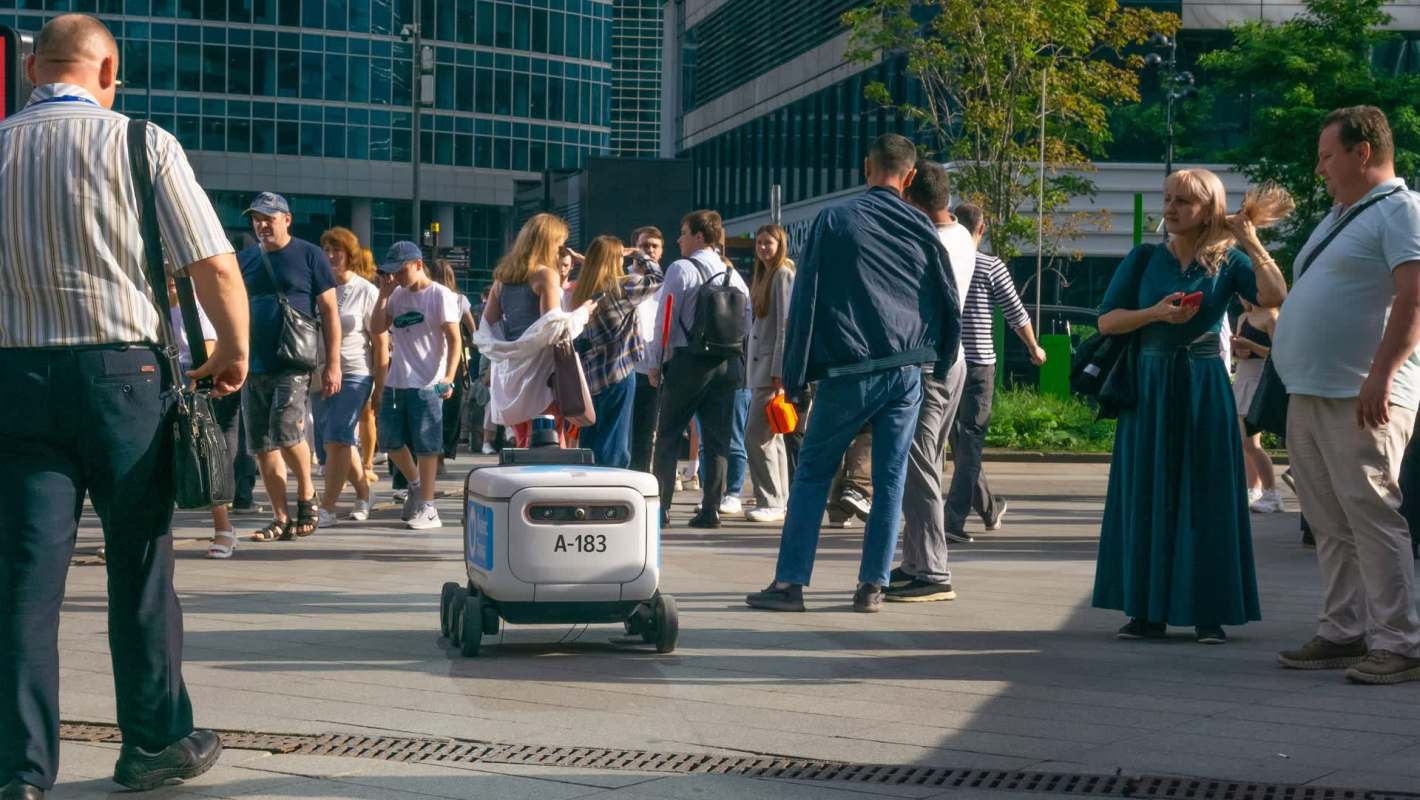
Philadelphia police arrested a 78-year-old retired professor after she stood on a sidewalk in front of a delivery robot and would not move.
Her arrest has amplified a much larger dispute over jobs, public space, and how much access communities are expected to give private machines.
Here's what to know
ABC 6 reported that Carolyn Marvin, a former communications professor at the University of Pennsylvania, was arrested in Center City on disorderly conduct charges after she blocked an Uber delivery robot and refused to step aside when police told her to.
For Marvin, her protest stemmed from what she sees as the robots' impact on human workers.
"I know they're taking the jobs of human delivery workers and so, I have been protesting them whenever I saw them by standing in front of them and preventing them from going forward," Marvin told ABC 6.
As she was arrested, a small crowd gathered. The New York Post (@NYPost) shared footage of the confrontation and Marvin's arrest:
TCD Picks » Quince Spotlight
💡These best-sellers from Quince deliver affordable, sustainable luxury for all




"I thought Pedestrians had the right of way! Human pedestrians!" one commenter wrote.
"The last few months it's been kind of slow and this explains it," an Uber Eats driver remarked.
More background
This isn't the first time Marvin has protested Philadelphia's growing use of delivery robots, and Marvin told ABC 6 that it won't be the last. "I think it's my First Amendment right to publicly demonstrate on a sidewalk to protest against delivery robots," she said.
In a separate conversation with KYW Newsradio, Marvin described her protest as part of a larger economic fight, saying she opposed the "ruthless way that rich corporations are casting aside human workers — and here, we're talking about the humble delivery folks — in order to enrich their bottom lines."
What happens next?
Marvin plans to challenge the disorderly conduct charge in court.
As Futurism noted, the case could test how cities balance protest rights, police enforcement, and the operating needs of sidewalk robots.
"If the privately-owned devices need unimpeded access to public infrastructure to work, who's responsible for making sure they have room to roam?" the outlet asked.
Where can I learn more?
Clashes over autonomous machines show how quickly public streets can become testing grounds for unresolved rules.
• In Arizona, police pulled over a driverless Waymo car and found no one to ticket.
• In Detroit, state officials launched a roadside pickup program staffed by robots handling food waste.
• Federal officials introduced a new "anti-tech extremists" label as protests around AI projects intensified.
• In Chile, residents say data centers are given priority over farms and local water needs.
• On a public road, a Tesla robotaxi drew alarm after driving into the wrong lane.

Get TCD's free newsletters for easy tips, smart advice, and a chance to earn $5,000 toward home upgrades. To see more stories like this one, change your Google preferences here.






