


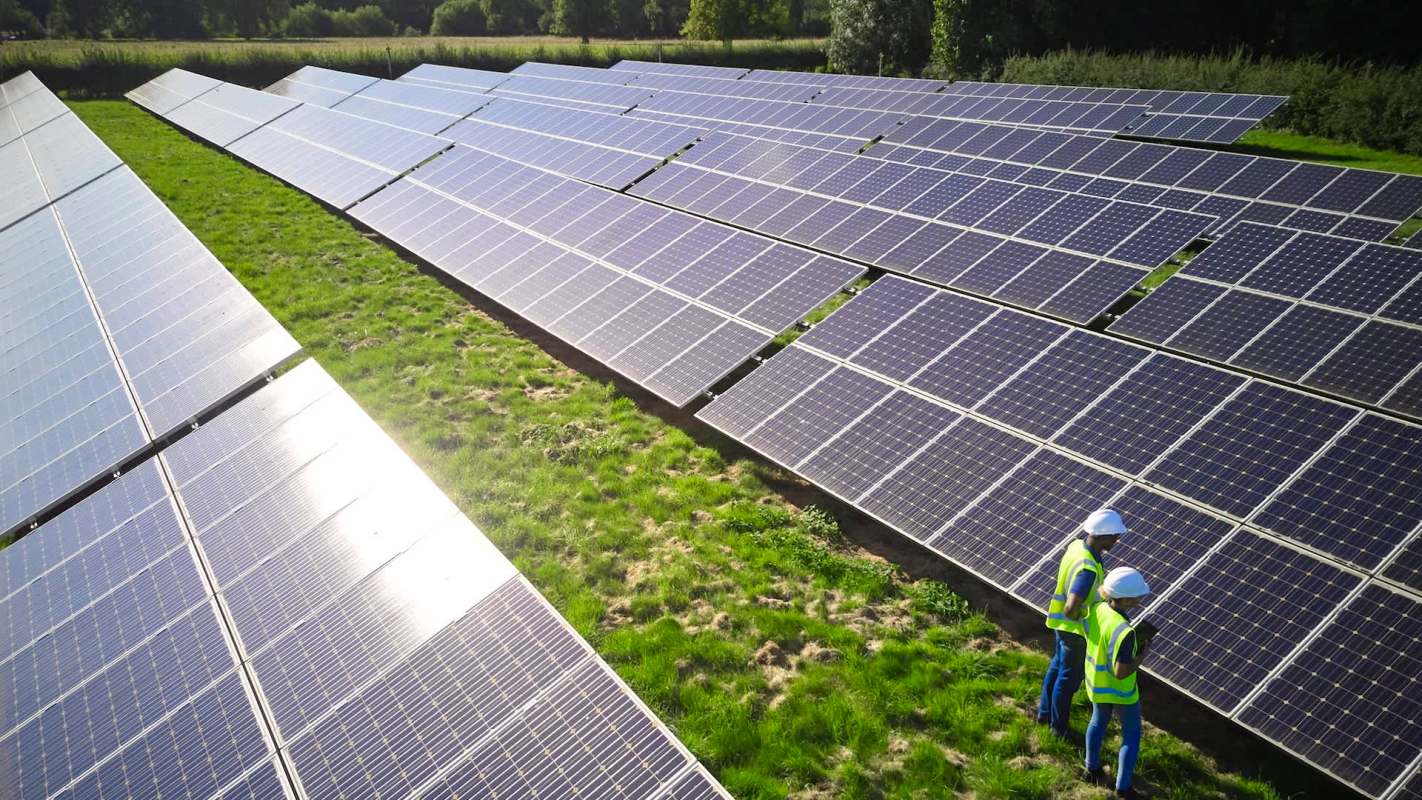
Parts of Australia are starting to redesign the power grid around local generation — and in some areas, that shift means fewer poles and wires.
According to a report from The Conversation, Western Australia has already taken down more than 15,000 kilometers, over 9,000 miles, of overhead lines as remote towns increasingly adopt solar, batteries, and microgrids.
What happened?
For many rural communities, connecting to the power grid can be both costly and unreliable. Now, according to The Conversation, falling prices for solar panels and battery storage are making it increasingly practical for towns, mining operations, and remote properties across Australia to generate and store more of their own electricity rather than relying on aging transmission lines that stretch across vast distances.
No state illustrates this shift more clearly than Western Australia. According to Asma Aziz and Yasir Arafat, the authors and engineers behind The Conversation report, utilities in Western Australia are increasingly rethinking whether or not the region's massive grid is necessary.
In recent years, they have dismantled thousands of kilometers of overhead lines while expanding options such as standalone power systems, microgrids, and community batteries.
Kalbarri, a coastal town over 350 miles north of Perth, offers a striking example. The authors noted the community sits at the end of a storm-prone 130-kilometer power line.
TCD Picks » Quince Spotlight
💡These best-sellers from Quince deliver affordable, sustainable luxury for all




To mitigate power issues, the region has opted for a 5-megawatt microgrid that draws on local wind, rooftop solar, and batteries, and can switch to "island mode" almost immediately when faults occur, often without residents noticing. The setup is expected to avoid about 80% of the outages the town previously experienced.
This is one of a long line of communities and companies in the region switching to microgrid options.
In Kalbarri, officials expect the microgrid to prevent the bulk of the outages that used to hit the town.
Elsewhere, projects are underscoring the same potential. The Conversation reports the Agnew Gold Mine now gets about 50% to 60% of its electricity from wind, solar, and batteries while maintaining 99.99% reliability, and communities such as Blackstone are exploring comparable setups to support homes and healthcare.
Why does it matter?
Maintaining long transmission lines is expensive, and as much as 35% of the electricity sent through them can be lost before it arrives. Some communities also depend on diesel generators, which bring costly fuel deliveries, dirtier air, and higher fuel bills.
Microgrids and community batteries can lower costs and improve reliability. In remote communities and mining towns, that can mean fewer disruptions when storms hit.
These systems can do more than reduce costs: by reducing reliance on diesel generation, they can also curb harmful air pollution while providing communities with cleaner, steadier power.

Get TCD's free newsletters for easy tips, smart advice, and a chance to earn $5,000 toward home upgrades. To see more stories like this one, change your Google preferences here.






