


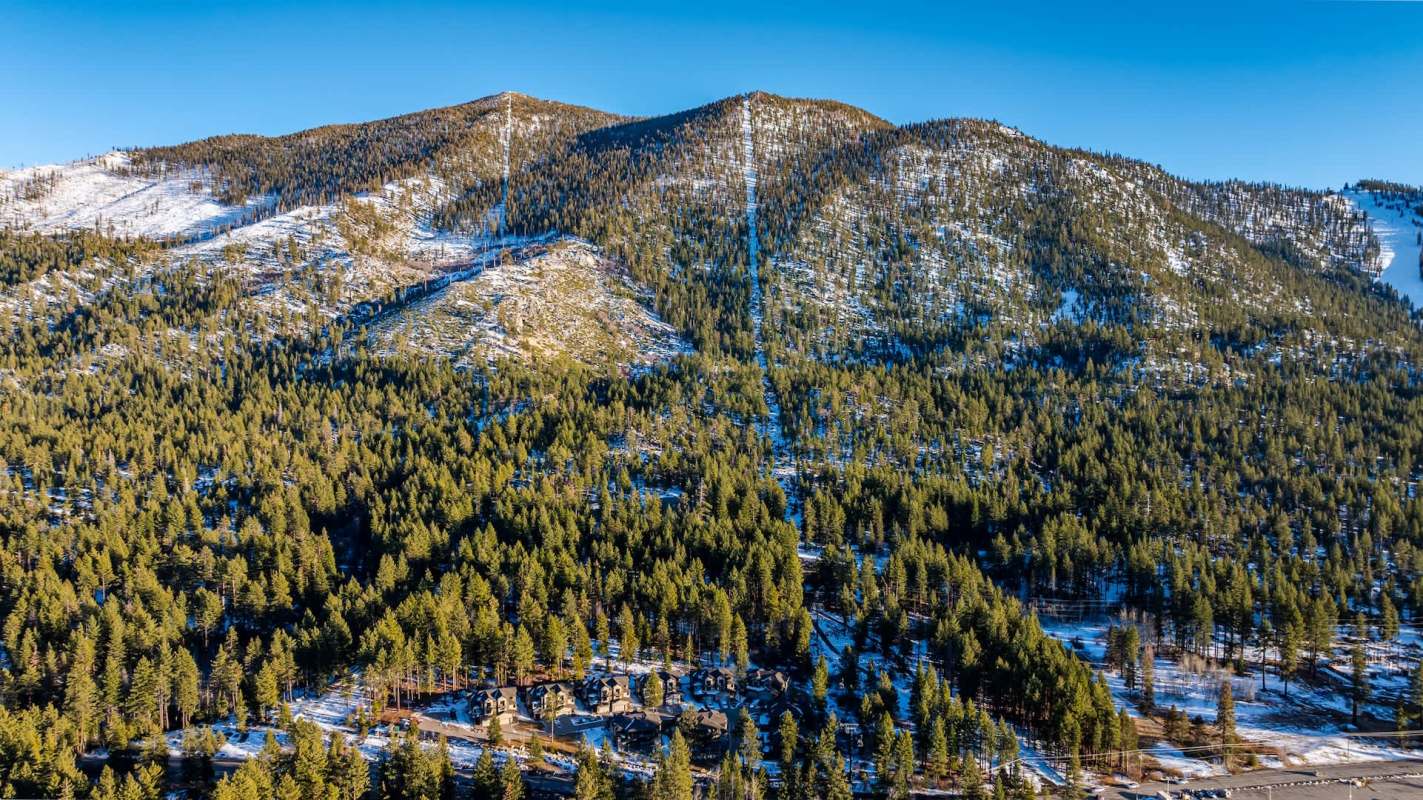
After the West's warm winter and fast spring thaw, reservoirs that many communities depend on are entering summer with little margin for error.
With reserves already thin, water managers in places such as Utah and Idaho are warning that summer could bring stricter conservation rules and heightened wildfire danger.
What's happening?
The West's water system depends heavily on mountain snowpack, which functions as a natural savings account through winter before slowly refilling reservoirs in spring.
This year, that account was nearly empty. By April 1, Deseret Magazine reported, much of the region had posted record-low snowpack, and snow-water equivalent across the West was about one-quarter of the 30-year median.
A stretch of unusually warm weather then accelerated the loss of what little snow remained, reducing the runoff that water managers hoped to collect before summer demand peaks.
Only five of about 70 river basins across the western United States are currently at or above median snowpack.
TCD Picks » Quince Spotlight
💡These best-sellers from Quince deliver affordable, sustainable luxury for all




In the Colorado River basin, experts say supplies may cover just 10% to 15% of the water needed to satisfy all water rights in the region.
Stored water is especially important for Utah's cities and farms, yet the state's reservoirs are only about 39% full.
The Strawberry Reservoir system, which helps serve Utah's largest population centers, is also under strain.
"If we use the forecast we have right now — which I believe (is) higher than what reality is going to be — our inflow to Strawberry Reservoir this year will be about 30,000 acre-feet. We'll barely cover the evaporation," Jared Hansen, the director of water policy for the Central Utah Water Conservancy District, said.
Why does it matter?
Lower snowpack means less drinking water, less irrigation water, and less flexibility when heat waves hit.
Restrictions are likely in many communities this year, western water managers say, and some places have already shortened outdoor watering seasons while urging residents to closely track their use.
The West contains eight of the nation's 10 highest-per-capita water-use states; Idaho averages 184 gallons per person per day, and Utah is close behind at 169.
Worsening extreme weather disasters stack risks on top of one another, endangering lives and livelihoods. Drought and record heat dry out forests and grasslands, fueling larger wildfires that threaten homes, worsen air quality, and disrupt local economies.
They also hit farms and ranches hard, reducing crop yields, stressing cattle herds, and pushing food prices higher for families.
Wildfire activity is already running far ahead of normal. Deseret Magazine reported that before March ended, more than 15,000 fires had burned 1.5 million acres, putting activity at over 230% of the 10-year average.
Climate scientist Daniel Swain summed up the situation bluntly: "This is one of those unsubtle years. … This is the 'uh-oh' moment."
What's being done?
Water districts are trying to stretch every drop.
In parts of Utah, some agencies put watering limits in place before winter had even ended, while other communities across the region are preparing for reduced irrigation deliveries and tighter household water-use rules.
Some local leaders are also investing heavily in backup systems. In Washington County, Utah, officials are building one reservoir, planning another, and expanding water-recycling infrastructure.
"We have plans to build over a billion dollars' worth of infrastructure here within the next five to 10 years. That has to be done. Running out of water is not an option. And so we plan to build it," Zach Renstrom, the general manager of the Washington County Water Conservancy District, said.
Officials are also acknowledging that old assumptions may no longer hold.
"The past is not a perfect representation of the future," Hansen said, as water managers across the region plan for how to divide "a smaller pie."

Get TCD's free newsletters for easy tips, smart advice, and a chance to earn $5,000 toward home upgrades. To see more stories like this one, change your Google preferences here.






