


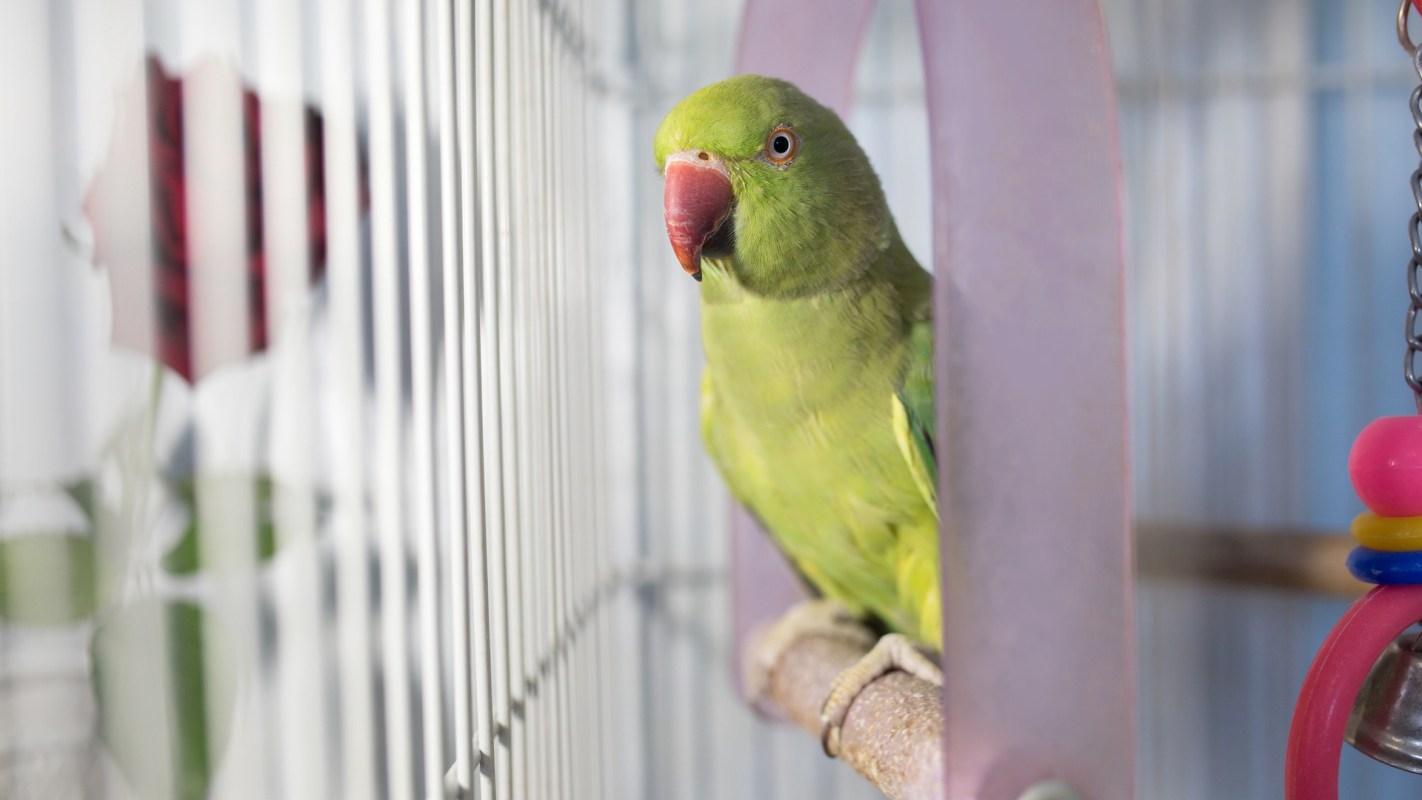
People with parrots as pets who have been advised to stop or punish masturbation among the birds may have been given the wrong guidance.
Research has indicated the behavior may be a routine part of a bird's life rather than evidence of stress, especially among birds living in the wild.
A study, published in the peer-reviewed journal Ecology and Evolution, investigated sexual behaviors among 120 bird species. Researchers documented masturbation in parrots, ducks, chickens, and turkeys, among other birds.
The scientists found that acts of self-pleasure were seen more often in wild birds than in captive ones. The study found that the pattern challenges the long-held view that the behavior is mainly a product of captivity-related distress.
Dr. Chloe Heys, the study's first author and an ecology researcher with the University of Lancashire, told The Guardian that, "Our big finding is that masturbation is not a negative response to captivity."
She added, "This is widespread in birds and we found it's a perfectly natural and healthy behavior that's part of their repertoire of sexual behaviors."
TCD Picks » Quince Spotlight
💡These best-sellers from Quince deliver affordable, sustainable luxury for all




To build their dataset, Heys' team used scientific literature, input from bird specialists, and online communities of keepers, breeders, and enthusiasts. In those reports, males were often described rubbing against perches, toys, twigs, or even an owner's hand or shoulder, while females were described lifting their tails and backing up against objects.
The findings could help spare birds unnecessary and potentially harmful interventions. When owners notice the behavior, many fear their pets are injuring themselves and seek veterinary advice.
This has sometimes led to perches or toys being removed, changes in how the birds are handled, and even, in some rarer cases, hormone treatment. Heys mentioned to The Guardian, "There have even been cases of surgery to completely de-sex birds, which is bonkers."
The study suggested the behavior is not a welfare issue in the first place. The findings also give bird owners a clearer sense of what normal behavior can look like. The researchers are now urging veterinarians and bird owners to change their approach.
Rather than treating the behavior as something that must be stopped, Heys said veterinarians should reassure owners unless there is an obvious medical problem.
"Vets shouldn't be advising owners to stop birds doing this unless it's obviously caused a chronic problem like a prolapse, but that's the absolute minority of cases," she said.

Get TCD's free newsletters for easy tips, smart advice, and a chance to earn $5,000 toward home upgrades. To see more stories like this one, change your Google preferences here.






