


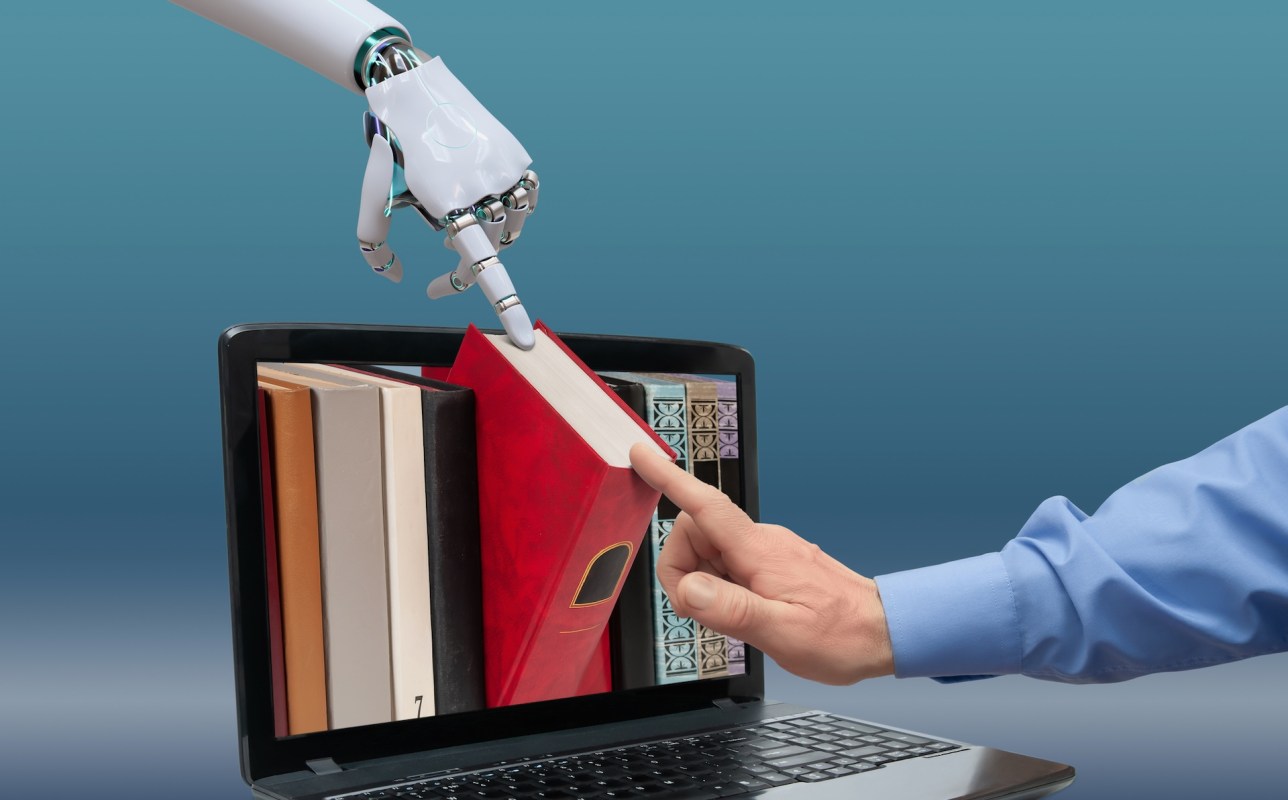
As more information moves behind subscriptions, licensing agreements, and logins, some readers are growing uneasy about what it means to truly "own" knowledge.
A Reddit discussion about selling used books tapped into that concern and highlighted the value many people still place on physical copies.
Here's what to know
The post in the r/Anticonsumption subreddit used book buyback sites to argue for keeping physical books. The original poster framed print copies as an important backstop as more learning and information moves online.
Their commentary went further, claiming that companies are trying to "put a meter on intelligence and education" by destroying books and limiting access to knowledge. No evidence supports that broader accusation. The OP did reference comments from OpenAI's Sam Altman that pointed to intelligence as "a utility," as reported by Tom's Guide.
Still, it didn't include the destruction aspect. Even so, concerns about paywalls, subscriptions, and centralized control over information are familiar to many consumers through streaming, ebooks, and online news.
One commenter captured that frustration.
TCD Picks » Quince Spotlight
💡These best-sellers from Quince deliver affordable, sustainable luxury for all




"The Internet used to be the place where we saved the past for future generations," they wrote. "Now, due to paywalls and other issues the past is only available for those that have the means to purchase access to it - and that's if it exists at all. The Internet was supposed to be the great equalizer, but all that information is now gone."
Another commenter pointed to a simpler concern about reliability: "If it ever goes down, even temporarily, I will be much happier to have some great books."
More background
Access to information is increasingly mediated by paid platforms, software ecosystems, and licensing terms. People who buy ebooks or subscribe to digital tools often do not have the same lasting control they would with a physical book on a shelf.
No evidence shows that books sold in bulk are generally being destroyed as part of a coordinated effort to erase knowledge. What it means is also in dispute.
One commenter said libraries do some of the same by culling books in the end, though another user countered that their library offered books for free to readers instead.
What can be done?
Physical books, downloaded records, and local backups can all complement digital access, especially for materials people use often or want to preserve.
Libraries do far more than lend books. They provide free internet access, research help, digital borrowing, and community programming. If a library is retiring books, readers can ask whether copies are being offered for free or at low cost before assuming they are being wasted.
Consumers can also prioritize formats they can keep, lend, and access without an ongoing monthly fee.
As the original poster put it: "DON'T SELL THE BOOKS!!"
Where can I learn more?
Questions about owning knowledge are closely tied to who controls the platforms people rely on to read, search, and store information. AI tools can shape what people see and can make it hard to get clear answers about the systems behind them.
• On Fable, AI-generated reader summaries showed how digital reading tools can distort books.
• Across data center-rich communities, information about AI infrastructure has stayed frustratingly hard to obtain.
• Growing unease over how AI systems operate mirrors broader worries about who controls access.
That helps explain why so many readers still want formats and systems they can trust, keep, and verify for themselves.

Get TCD's free newsletters for easy tips, smart advice, and a chance to earn $5,000 toward home upgrades. To see more stories like this one, change your Google preferences here.






