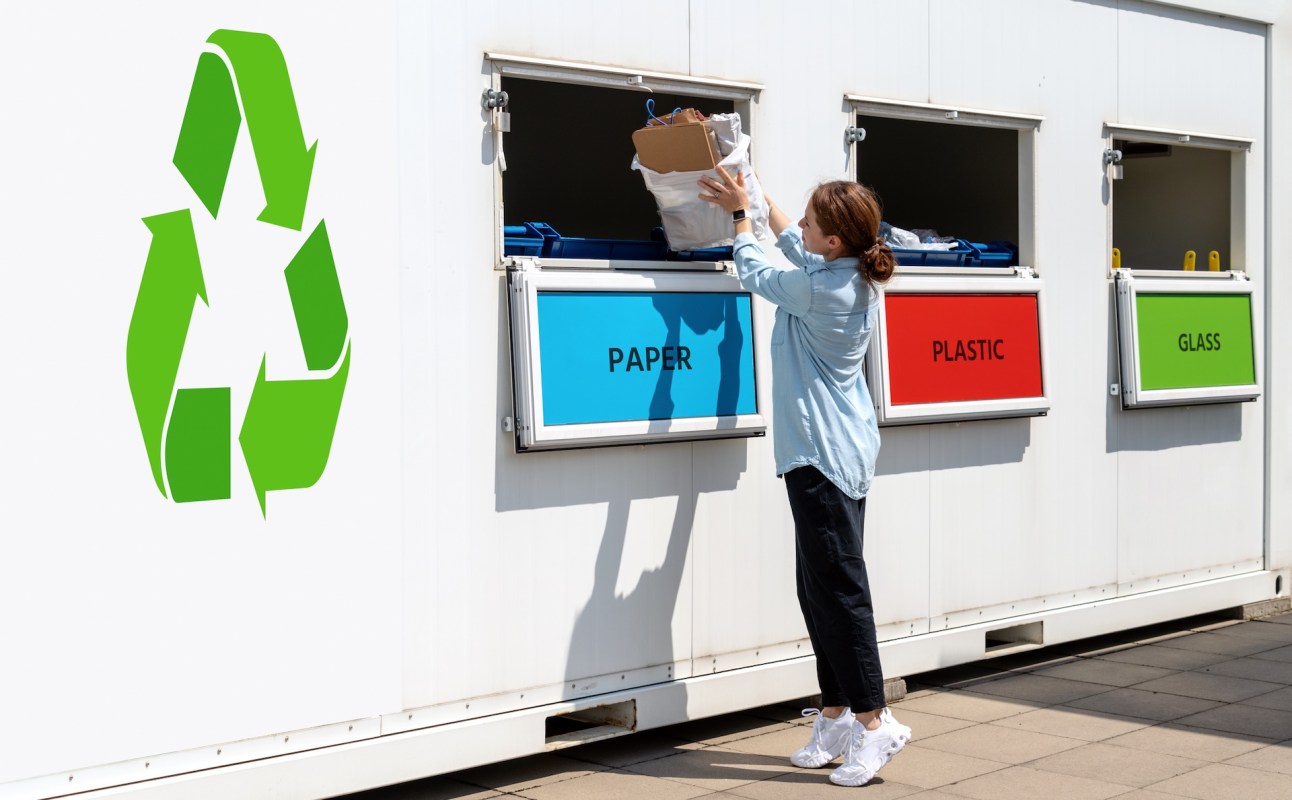
For many people trying to cut down on waste, the hardest part isn't sorting cans and bottles but wondering whether any of that effort actually makes a difference.
That tension surfaced when someone who uses the Houston Westpark Consumer Recycling Center asked a question plenty of people have likely had: Is recycling a scam?
The answer is largely no, but it's only clearly worthwhile for some types of recycling.
What's happening?
In a discussion on Reddit's r/ZeroWaste, the original poster described the emotional weight of trying to do the right thing while hearing that the system itself may be broken.
"I really hate throwing away plastics or any other recyclables," the poster wrote. "It really hurts me what we are doing to the planet, the ocean, animals..."
A friend's claim that recycling programs were "scamming us" led to the post and shook the poster's confidence after the work of collecting and separating materials. Still, the replies made clear the subject is more complicated than a simple yes-or-no response.
TCD Picks » EDF Spotlight
💡EDF's Vital Signs newsletter delivers stories about game-changing solutions close to home and around the world




One commenter explained, "It's not a one-size-fits-all answer. Recycling varies drastically material to material — aluminum has a very high rate, plastic is quite low."
Another added that "only plastics like milk jugs are well recycled; much else is discarded."
The thread's main takeaway was that recycling success depends heavily on the material involved. Aluminum and glass work best and can be recycled virtually infinitely, albeit with some pollution required to do it, and paper can be recycled several times with minimal downsides. But many plastics still run into weak markets and limited processing capacity. Plastic frequently ends up in the ocean or landfills even when attempting to recycle it, and often when plastic is "recycled," it's by being burned at a waste-to-energy plant, as explained further by the Plastic Pollution Coalition.
When plastic does get a new life, most forms of plastic can only be recycled a small number of times before the material breaks down, too. And the recycling process requires energy, water, and pollution to function, so the best solution for reducing plastic waste is avoiding the use of plastic to begin with. When it comes to the three R's, reduce is far and away the most important, followed by reuse, and then recycle is a distant third in importance.
Why does it matter?
Many people put real time, energy, and even emotional labor into sorting waste responsibly. If someone is rinsing containers, driving to a drop-off center, and organizing items at home, they want to know whether their effort is leading anywhere meaningful.
Focusing on materials with higher recycling value, such as aluminum, can help households spend less time on low-impact sorting and make better use of limited storage space for items more likely to be reused. In some cases, recyclable metals also hold more real-world value than plastic.
When people hear that "recycling doesn't work," they may give up on it entirely, even though some materials really do get reused at high rates. That can undermine efforts to reduce landfill waste and keep valuable materials in circulation.
Knowing which items are actually accepted and likely to be processed can make the habit feel less frustrating and more worthwhile.
What can I do?
The most realistic first step is to learn local rules and separate materials based on their likelihood of success, not just on the recycling symbol on the package. Aluminum and other metals are often stronger bets, as are glass and paper products, while plastic can be far trickier depending on the type and the facility.
Commenters also urged people not to dismiss the value of the habit itself. One person shared, "An environmental architecture curator I once met put it this way — we are putting the habits in place until the technology catches up. We're faking it until we make it."
Consumers can also reduce frustration by cutting back on hard-to-recycle packaging in the first place when possible. Choosing reusable containers, buying products with simpler packaging, or prioritizing materials that are more commonly recycled can save money over time and reduce clutter at home.

Get TCD's free newsletters for easy tips, smart advice, and a chance to earn $5,000 toward home upgrades. To see more stories like this one, change your Google preferences here.