


Scientists have developed a chemical process that turns discarded tires into valuable materials for making epoxy resins, a cleaner alternative to traditional tire disposal methods that often involve harmful byproducts, EurekAlert! reported.
Every year, more than 274 million tires get scrapped in the United States alone, with nearly a fifth ending up in landfills, where they create space issues and environmental hazards including chemical leaching and spontaneous combustion.
Current tire recycling methods rely on pyrolysis, a high-temperature process that generates harmful substances such as benzene and dioxins. This alternative approach works differently and more safely.
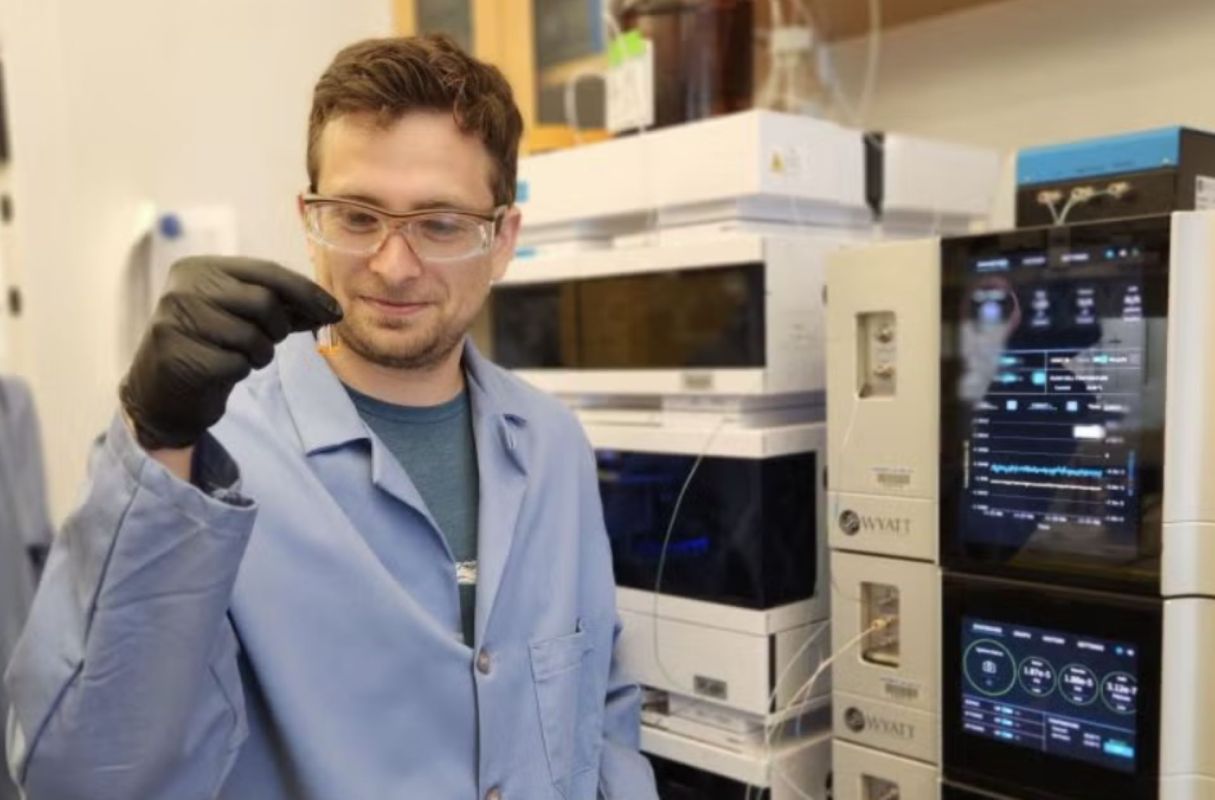
Aleksandr Zhukhovitskiy from the University of North Carolina at Chapel Hill led the research team that created this innovative method. The technique uses a two-step chemical process called C-H amination combined with polymer backbone rearrangement.
The process works by installing amine groups at specific spots in tire polymer chains and then reorganizing the entire structure. This breaks down the tough, cross-linked rubber into soluble materials that can make epoxy resins.
The results are impressive. In testing, the method reduced a model polymer's molecular weight from 58,100 g/mol to approximately 400 g/mol. It completely broke down used rubber in just six hours.
TCD Picks » Quince Spotlight
💡These best-sellers from Quince deliver affordable, sustainable luxury for all




What makes this method special is how gentle it is. The process works at temperatures from 95-122 degrees Fahrenheit in water-based solutions, which is much easier on the environment than extreme heat methods that require expensive equipment.
"It is fascinating to see the ease with which the developed sequence of simple yet powerful organic transformations can take on a stubborn C-C bond and convert polybutadiene and polyisoprene-based rubbers into potentially valuable epoxy resins," said Maxim Ratushnyy, a co-author of the study.
Epoxy resins made from this recycled tire material showed strength similar to commercial resins used in adhesives, coatings, and composites. This means your old tires could become part of construction materials or protective coatings instead of sitting in a landfill.
"Our research represents a paradigm shift in how we approach the problem of rubber waste," said Sydney Towell, a doctoral candidate who co-authored the study. "By harnessing the power of C-H amination and backbone rearrangement, this method provides a new pathway to transforming post-consumer rubber into high-value materials."
The research team is already working to make the process greener by exploring alternative solvents and reaction conditions that generate less waste. While the technology is still developing, it shows promise for creating a circular economy wherein your old tires become useful materials instead of environmental problems.
|
Do you think America has a plastic waste problem? Click your choice to see results and speak your mind. |
 Definitely 👍
Join our free newsletter for weekly updates on the latest innovations improving our lives and shaping our future, and don't miss this cool list of easy ways to help yourself while helping the planet.






