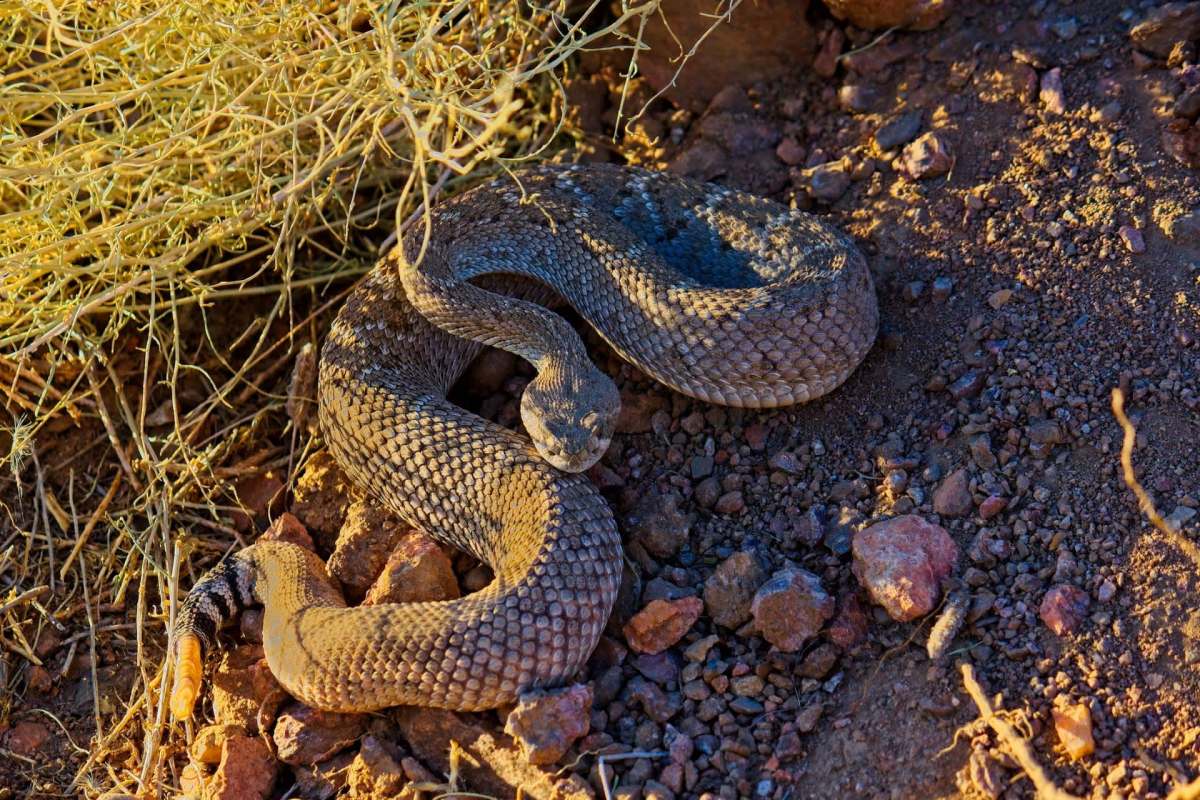
The rattlesnake season is effectively starting earlier as warmer spring conditions are prompting earlier activity and widening the window of risk for hikers, homeowners, and outdoor workers.
It also reflects a broader pattern in which climate change and continued development in or near wild habitat are reshaping when, where, and how often people encounter snakes.
What's happening?
Over the past four years, annual snakebite-related calls to Thailand's Ramathibodi Poison Center have climbed from a typical 1,000 to about 1,500, Grist reported. The center usually sees spikes during the rainy season, when flooding displaces snakes and increases contact with people.
According to figures from the World Health Organization, snakes bite up to 5.4 million people worldwide each year. About half of those bites lead to envenoming, and roughly 138,000 people die annually.
Research from Emory University found that the odds of a snakebite rise with temperature: With every 1 degree Celsius (or 1.8 degrees Fahrenheit) increase in daily heat, the risk increased. That suggests the danger could grow as the planet warms.
Why does it matter?
A venomous snakebite can leave people with long-term health problems, including chronic nerve pain, kidney disease, and tissue death.
TCD Picks » Quince Spotlight
💡These best-sellers from Quince deliver affordable, sustainable luxury for all




In the United States, snakebites are relatively uncommon, with an estimate from the Centers for Disease Control and Prevention putting the annual toll at about 7,000 bites and five deaths.
Even so, warmer conditions may be shifting when and where those cases happen: North Carolina saw more bites during an unusually warm April; Georgia researchers have linked rising temperatures to increased hospital visits; and state hotlines in Arizona say bite-related calls are already ahead of where they were at this point last year, after unusually warm weather brought rattlesnakes out as early as March.
Climate extremes can also push snakes into closer contact with people. Drought can draw them toward water storage containers and cooler buildings, while floods can force them into homes, shops, and sewers. Expanding cities and development into once-wilder areas further raise the odds of encounters.
What's being done?
The WHO is leading an effort to cut snakebites by 50 percent by 2030, including support for wider access to high-quality antivenoms and a dedicated platform for sharing data and insights among countries.
"If you go out into the rural areas, people can die right in front of the hospital because there's no antivenom there," said Chloe Vasquez, executive director of the Global Snakebite Initiative USA Foundation.
Thailand's national antidote program, launched in 2011, includes the Ramathibodi Poison Center and the Queen Saovabha Memorial Institute, which has produced seven antivenoms, Grist reported. Those treatments are stocked in all major hospitals there, and Thailand remains the only Southeast Asian country with WHO-approved antivenoms that have been rigorously tested.
For individuals, staying on marked trails, watching where you place your hands and feet, avoiding attempts to move or kill a snake, and seeking emergency medical care immediately after a bite can all reduce the danger.
Learning which species are common in your area, checking yards and gear carefully, and giving snakes space can lower the risk of a dangerous encounter for both people and wildlife.
"Most people are afraid of them and kill them first, even if it is nonvenomous," said Taksa Vasaruchapong, a veterinarian and head of the Queen Saovabha Memorial Institute.

Get TCD's free newsletters for easy tips, smart advice, and a chance to earn $5,000 toward home upgrades. To see more stories like this one, change your Google preferences here.