


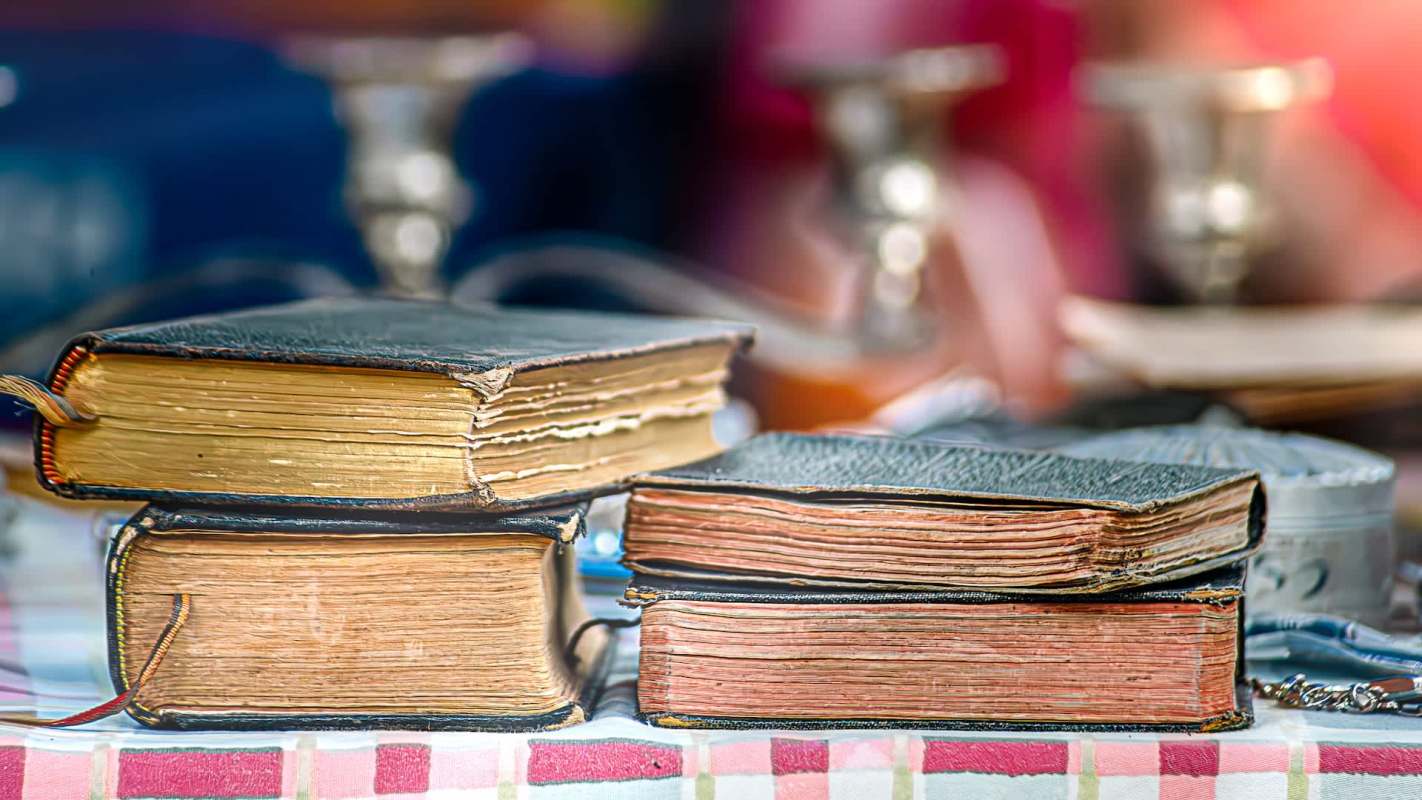
Testimony before an Irish parliamentary committee showed how rare and out-of-print books are destroyed for artificial intelligence training, with their pages later recycled into toilet paper.
Here's what to know
Conor Kostick of the Irish Writers Union outlined the scale of tech companies' book purchases to the Oireachtas Committee on Artificial Intelligence. The companies have bought roughly 2 million volumes from used and antiquarian book dealers worldwide, Raidió Teilifís Éireann reported.
Kostick said workers at U.S. scanning operations cut off the spines to feed individual pages through high-speed scanners, destroying the bound books. Old, rare, and out-of-commerce titles are among the purchases.
The resulting digital files are used to develop large language models, while the remaining paper is "discarded, shredded, and recycled into toilet paper," he said.
RTÉ reported that the writers and artists who spoke to the committee feared for both their incomes and Irish cultural life.
More background
Kostick said AI books were being "passed off" as human writing and estimated that roughly 500,000 had been published on Amazon, according to RTÉ.
TCD Picks » Quince Spotlight
💡These best-sellers from Quince deliver affordable, sustainable luxury for all




Kostick asked committee members to consider how they would react to discovering that AI had produced a book they were reading. AI-generated imitations of novels, poetry, and essays need not carry a label identifying them as such, the committee heard.
The Irish Writers Union's concerns also center on writers' control over their own work. Most of its members oppose having their writing used to train AI, Kostick said.
The technology draws electricity from the grid to train and run models, and its computing infrastructure can consume substantial amounts of electricity and water. AI can also help optimize clean energy systems and improve research methods.
What's being done?
Kostick said UNESCO views systematic book destruction as a "serious breach of the Hague Convention," according to RTÉ. The Irish Writers Union wants rare books protected from scanning methods that destroy physical copies.
The union is also pressing for strong copyright enforcement alongside payment for writers and regulation of how their works are used.
Kostick described writers' demands as a call for a "fair playing field." He also urged the establishment of a way to distinguish books written entirely by humans from AI-assisted works, according to RTÉ.
"Many such books will never be found again and will exist solely as the digital property of an AI tech company," he said.

Get TCD's free newsletters for easy tips, smart advice, and a chance to earn $5,000 toward home upgrades. To see more stories like this one, change your Google preferences here.






