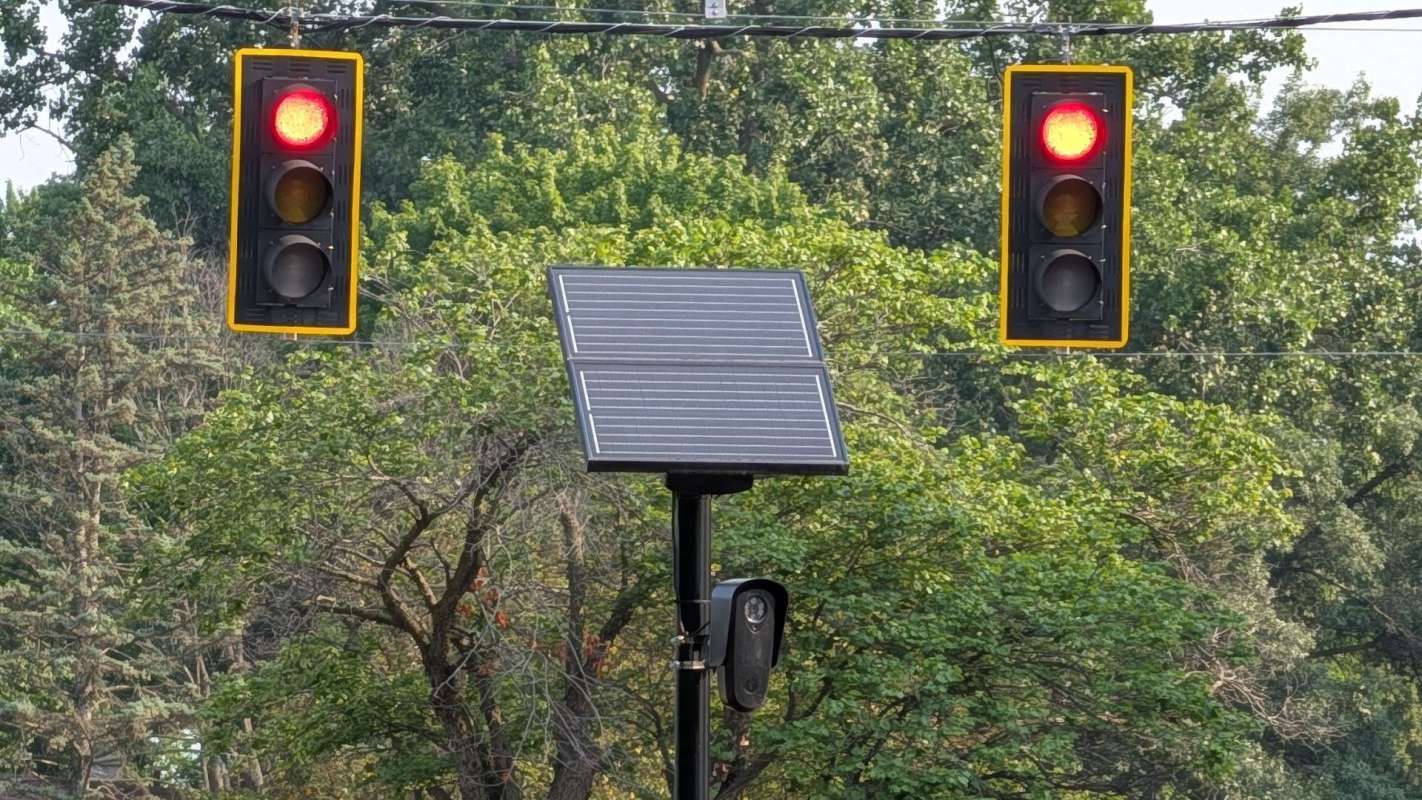
Raleigh, North Carolina, officials are facing questions about access to police-held license plate data after internal reviews showed some former employees still appeared as active users in the department's Flock system.
Here's what to know
WRAL reported that April and May audits by the Raleigh Police Department's Office of Professional Standards flagged a concerning issue in the Flock database. Of over 400 accounts listed as active, several belonged to people who did not work for the department anymore.
By July, that wording was no longer included in the audit. The issue drew attention after Chief Rico Boyce said during a city council meeting, per WRAL: "I heard a gentleman earlier talking about former employees are able to access the information. That is not true."
A department spokesperson told WRAL that though those former employees were still identified in the audit as active Flock users, they could not sign in because their city-issued email addresses or phones required for two-factor authentication were no longer active.
The department also said the accounts had not been deactivated in case those former employees returned to work. After the audit, RPD said that practice ended and the former employees were removed, WRAL reported.
More background
License plate reader systems collect large amounts of information about where vehicles have traveled and distinguishing features, creating a sensitive pool of data tied to people's daily routines.
TCD Picks » Quince Spotlight
💡These best-sellers from Quince deliver affordable, sustainable luxury for all




Even if former workers could not log in, the fact that they were listed as active users raises questions about oversight, recordkeeping, and how tightly information is controlled.
Raleigh Police employ more than 700 sworn officers, and WRAL reported that 416 people were designated as active Flock users. Audit records showed that only about half of those users logged into the system during the audit period.
In July, officers ran 5,911 searches in the database. WRAL said those searches resulted in 23 "Flock successes," including the recovery of nine stolen vehicles, 12 arrests or warrant issuances, and eight investigative leads.
In separate instances around the country, employees have misused Flock's systems.
What's being done?
Raleigh Police said they took one direct step in response to the audits: They ended the practice of keeping former employees in the system and removed those accounts.
The audits also indicated improvement in how officers documented their reasons for using the database.
Still, the July audit found, as WRAL reported, that officers needed to do a better job completing the "outcome" section in Flock so the information being collected and reported would be accurate and complete.
WRAL also noted that it twice contacted Flock headquarters to ask how former officers are removed from access but that the company did not respond.
Where can I learn more?
Questions about who can access police technology often spill into broader concerns about oversight of sensitive systems and the fallout when controls fall short. Those tensions have surfaced in ways ranging from scrutiny of Flock's performance in Los Angeles to a false-arrest lawsuit in Rhode Island, straining trust and accountability.
In Los Angeles, police ditched a Flock contract after false stolen-car alerts piled up. In Rhode Island, one false-arrest lawsuit sparked scrutiny over the accuracy of Flock cameras.
Across very different cases, the pattern is familiar: Confidence fades away when agencies or companies cannot clearly account for risks, results, or responsibility. Those same questions are driving Raleigh's Flock debate.

Get TCD's free newsletters for easy tips, smart advice, and a chance to earn $5,000 toward home upgrades. To see more stories like this one, change your Google preferences here.