


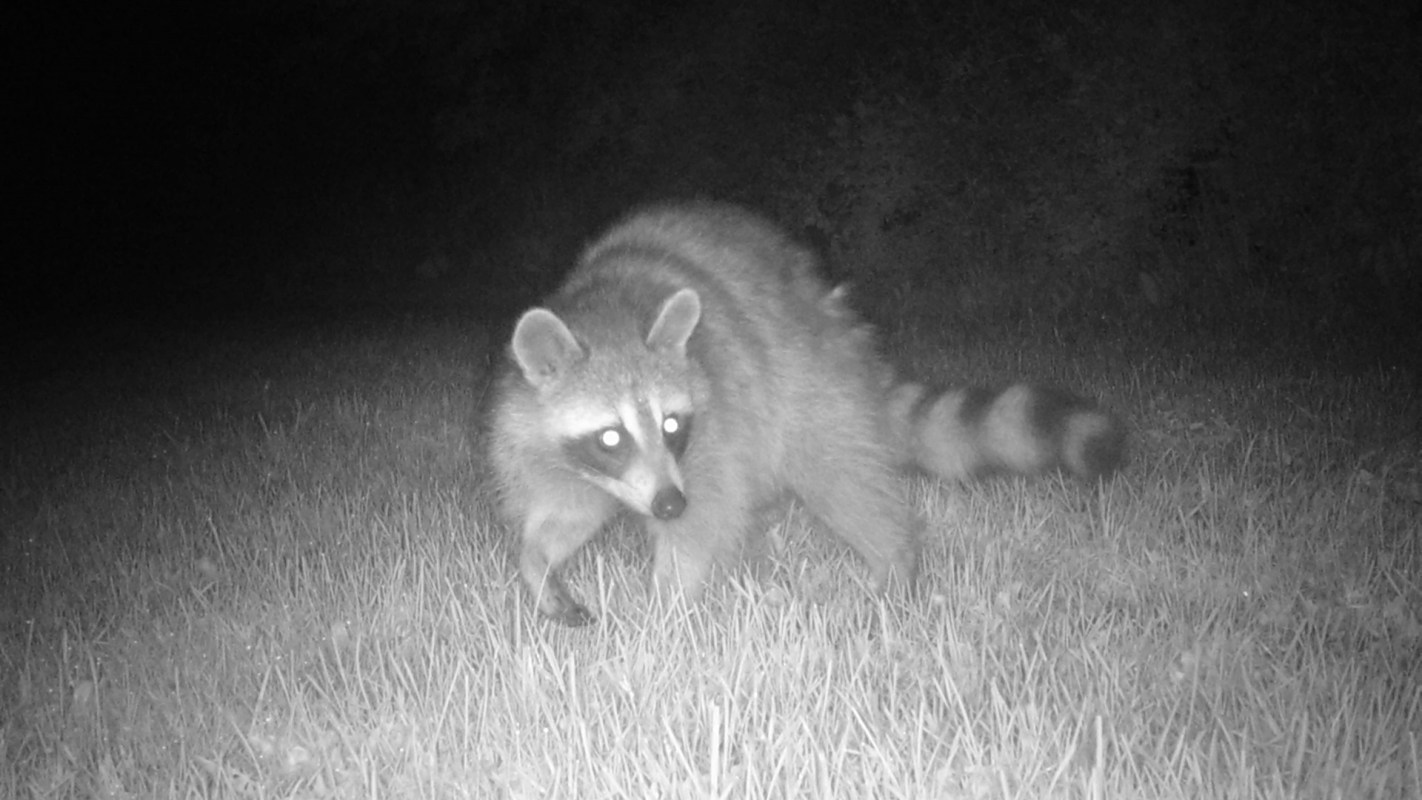
A nighttime outage in Watertown, Wisconsin, illustrated how quickly one encounter between wildlife and utility equipment can leave thousands of people without electricity.
What happened?
Shortly after midnight one night in May, roughly 5,212 Watertown-area customers lost power when a raccoon touched equipment at a nearby substation, according to the Watertown Daily Times.
The outage was linked to the Concord Substation, which serves the Watertown area and is located southeast of the city limits along County Highway E. Residents across Watertown were suddenly without electricity overnight, affecting thousands of customers.
Brendan Conway, a spokesperson for We Energies, said the company sent crews out right away after the outage was reported.
"Our crews responded immediately and found that a raccoon came into contact with some equipment at a substation," Conway said.
We Energies said the outage lasted from around midnight until about 3:45 a.m., when all affected customers had service again.
TCD Picks » Quince Spotlight
💡These best-sellers from Quince deliver affordable, sustainable luxury for all




"The outage impacted about 5,200 customers," Conway explained. "The outage started around midnight and all customers were restored around 3:45 am."
No immediate update was available on the raccoon's condition.
Why does it matter?
Even a relatively short power outage can create serious problems for residents.
Overnight blackouts can disrupt heating and cooling, spoil refrigerated food, cut off internet access, disable home security systems, and prevent people from charging phones or powering essential medical devices.
Animals such as raccoons move through landscapes increasingly shaped by roads, buildings, fences, and energy infrastructure. In that sense, this was not simply a wild animal acting alone. It was an interaction between wildlife and a human-built electrical system.
That kind of conflict can be costly for both sides. Residents lose access to a service they depend on, while animals can be injured or killed after coming into contact with energized equipment.
As communities expand and infrastructure reaches farther into natural areas, these encounters can become more difficult to avoid.
What's being done?
We Energies said electricity was restored within a few hours.
Utilities also replace damaged components and work to reduce preventable outages caused by animals, storms, or vehicle crashes.
To lower the odds of similar failures, utilities can place protective covers, barriers, and other wildlife-deterrent features around important equipment.
While those fixes may not prevent every outage, they can lower the chances that one curious animal will knock out electricity for an entire neighborhood.

Get TCD's free newsletters for easy tips, smart advice, and a chance to earn $5,000 toward home upgrades. To see more stories like this one, change your Google preferences here.






