


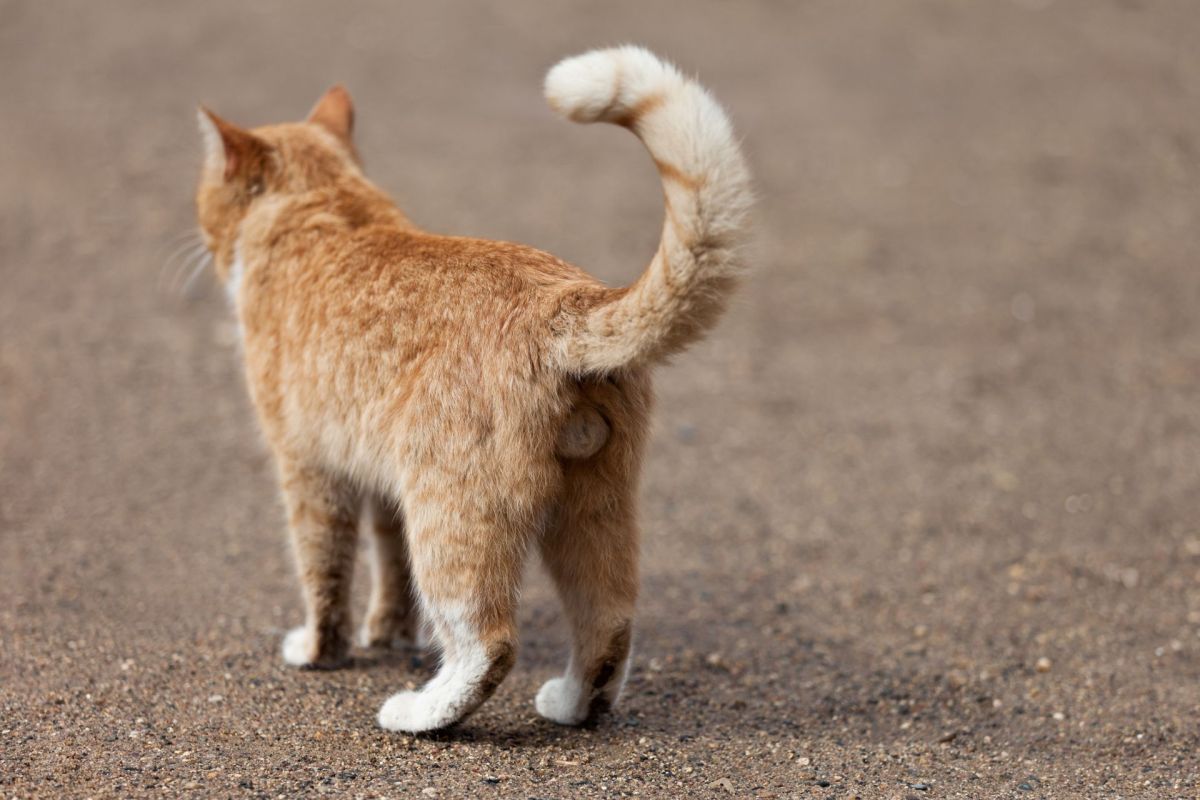
Quebec has identified a second cat with raccoon-strain rabies in the Montérégie region, and three additional people were treated after a possible exposure.
The latest case highlights how the outbreak can extend from wildlife to household pets and then to the people around them.
Here's what to know
The Montérégie Public Health Department confirmed raccoon rabies in a cat found in Saint-Anicet.
A department spokesperson told Global News that three people were given post-exposure prophylaxis after possible contact with that cat. That came in addition to three others treated after Quebec identified its first raccoon-rabies case in a cat on July 29 in Godmanchester.
That treatment, often given as a precaution, includes a multi-dose vaccine series. Officials noted that this type of response is not unusual after a possible exposure.
Quebec has logged 139 raccoon-rabies cases so far in 2026, compared with 93 across the province during all of 2025. About 80% of the 2026 cases have been identified in Montérégie.
TCD Picks » Quince Spotlight
💡These best-sellers from Quince deliver affordable, sustainable luxury for all




While the virus is circulating in wild animals, exposure risk can rise when pets roam unsupervised or when homes attract wildlife with food and shelter.
More background
Together, the cases illustrate how an illness circulating in wildlife can spill over into pets and then become a public health concern.
Cats and dogs can act as a link between wild spaces and households, especially in areas where raccoons, skunks, and pets share the same environment.
Reporting on why wild animals attack humans has explored how human expansion, habitat pressure, and easy access to food around homes can bring animals into closer contact than they otherwise would be.
A sick wild animal near a yard or barn can pose a risk not only to another animal but also to a pet owner, child, or neighbor who tries to intervene.
Public health measures such as emergency vaccination are intended to prevent a worst-case outcome before it begins.
What can be done?
The province's advice is centered on prevention, lowering the odds that people and pets will come into contact with infected wildlife.
Residents are being told to keep pets vaccinated, supervise them outdoors, avoid touching wild or unfamiliar animals — including dead ones — and contact a veterinarian if a pet has had contact with wildlife.
Any animal showing signs that may point to rabies — such as drooling, paralysis, or unusual aggression — should be isolated.
Making homes and yards less attractive to wildlife can mean securing trash, removing food sources, and avoiding conditions that draw raccoons and other animals near people and pets.
"This new case serves as a reminder that rabies continues to spread among wild animals and that domestic animals can also be infected," public health officials said. "The public is urged to be particularly vigilant and to report any dead, injured, disoriented, paralyzed, or unusually aggressive animals."

Get TCD's free newsletters for easy tips, smart advice, and a chance to earn $5,000 toward home upgrades. To see more stories like this one, change your Google preferences here.






