


A new development from Australia's national science agency is offering a glimpse of a future in which charging your phone, laptop, or even grid-scale storage systems could take a fraction of the time it does now.
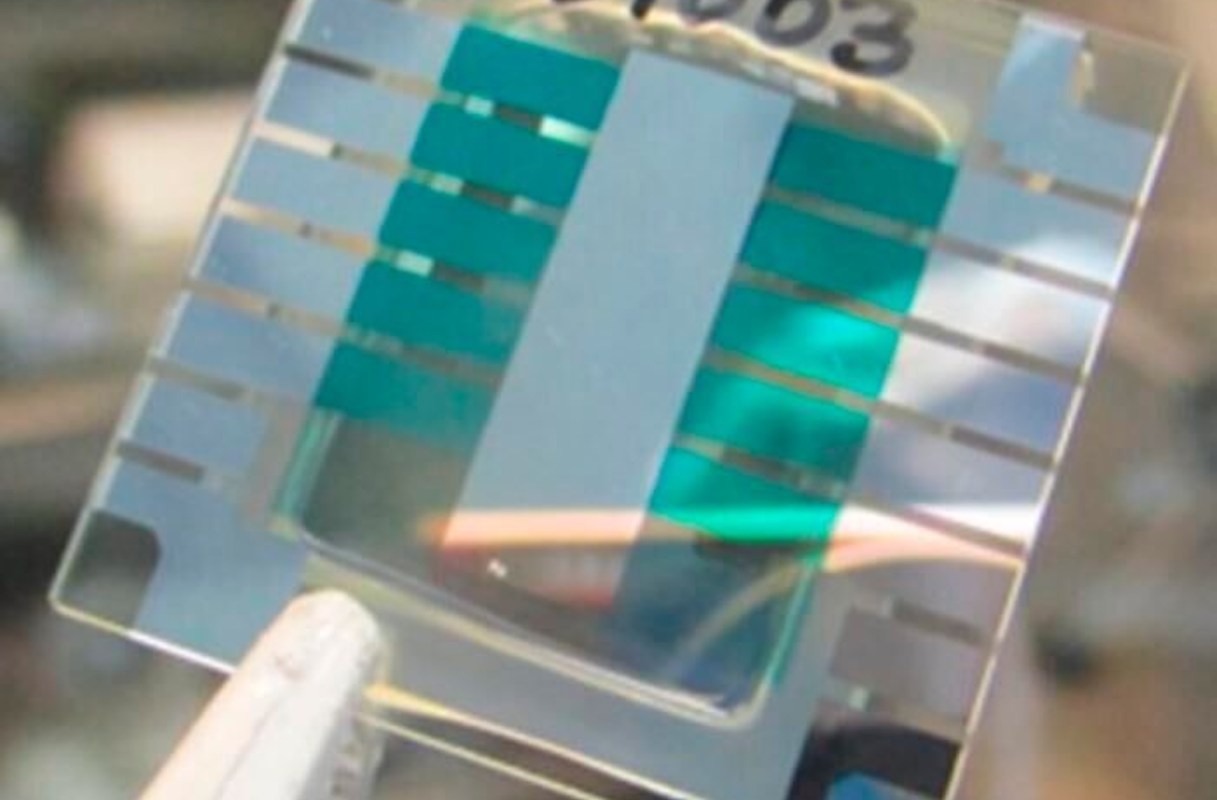
Researchers in Australia say they have built the world's first fully functioning proof-of-concept quantum battery.
Scientists from the CSIRO, the University of Melbourne, and RMIT announced that they had successfully developed and tested a quantum battery prototype, Lab Worldwide reported.
Unlike conventional batteries, which store and release energy through chemical reactions, a quantum battery operates according to the rules of quantum mechanics. Its key advantage is something called "superabsorption," in which the system takes in light in a single, large collective event rather than through slower, individual ones.
More striking still, the team found that this charging effect becomes stronger as the system grows.
If the technology eventually scales beyond the lab, electric vehicles could recharge much faster, phones and laptops could spend less time plugged in, and backup energy systems could refill more quickly before or after a storm.
TCD Picks » Quince Spotlight
💡These best-sellers from Quince deliver affordable, sustainable luxury for all




More efficient and scalable energy storage can support cleaner power systems by making it easier to capture and use renewable electricity when it is available.
Over time, that could help utilities better manage spikes in demand, improve resilience during blackouts or extreme weather, and potentially lower costs tied to energy waste and slow charging cycles.
The CSIRO said the work points to fast, scalable charging and room-temperature energy storage. Still, this is an early-stage demonstration, not a ready-to-buy product.
Dr. James Quach, a Science Leader at the CSIRO and leader of the team that engineered the prototype, said: "While there's still much work to be done in quantum battery research, we've made an important move towards realising the possibilities. The next step right now for quantum batteries is extending their energy storage time."

Get TCD's free newsletters for easy tips, smart advice, and a chance to earn $5,000 toward home upgrades. To see more stories like this one, change your Google preferences here.






