


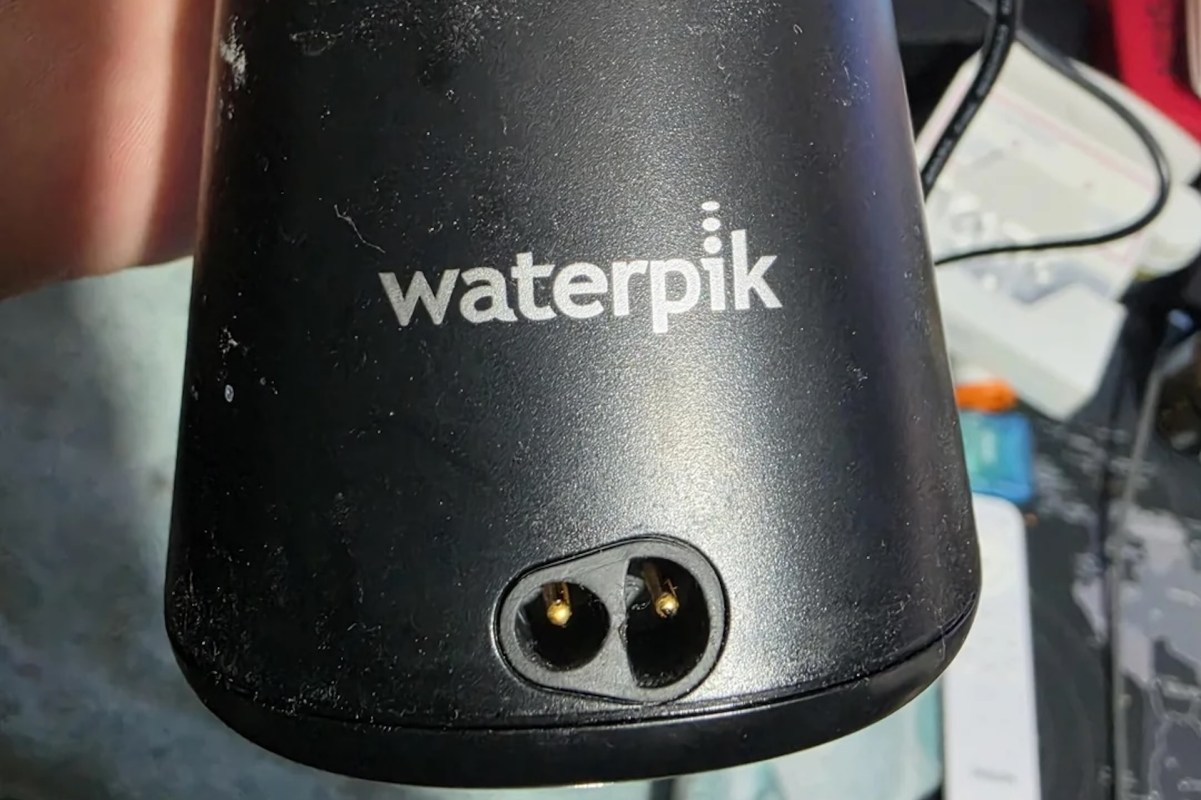
A familiar consumer frustration struck a nerve online after a Reddit post highlighted a device that charges through a proprietary connector on one end and a standard USB port on the other. For many readers, it raised the same question: Why make a basic cable harder to replace?
Here's what to know
In the Reddit thread, the original poster summed up the annoyance, writing, "I really don't understand why that shape of plug is needed for a simply USB cable. And yes. Of course I lost it. That's the mildly infuriating part."
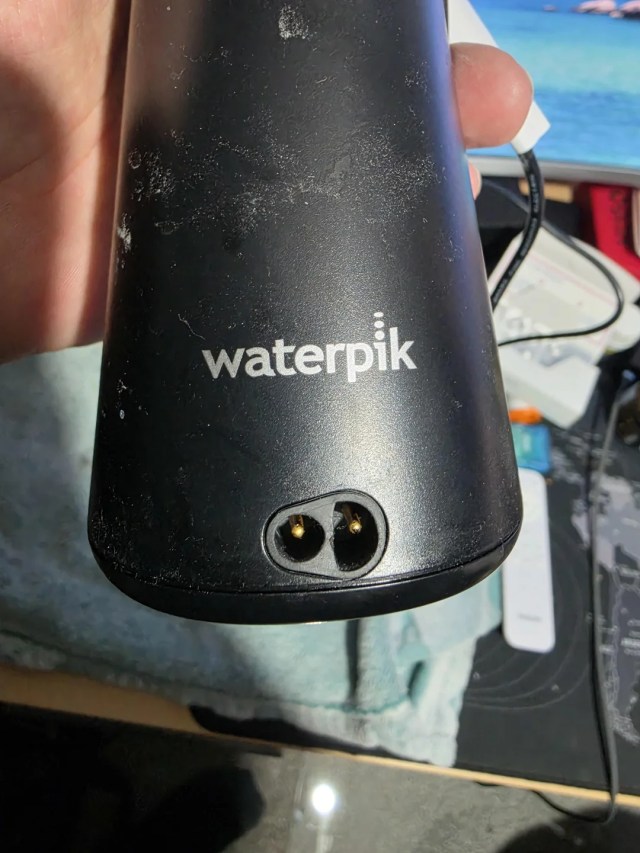
Many people treated the custom port less as a functional choice and more as a way to lock buyers into costly replacements.
For one commenter, the reasoning was straightforward: "So they can sell you a cable as well."
The discussion also included examples of what happens when that cable is unique. Another user described a hand vacuum with a one-off charger, writing, "My hand vac is like that, has a big robust charging plug to charge at 5v DC, can't be used while charging. Zero reason to use a bulky cable. If I had a 3D printer I could definitely make an adapter."
One commenter put the broader complaint even more bluntly: "Worse. They will only sell you another product."
TCD Picks » Quince Spotlight
💡These best-sellers from Quince deliver affordable, sustainable luxury for all




More background
The issue can become more than a small irritation when a proprietary cord makes an otherwise working product harder to use, resell, or keep out of the trash. If the charger is lost or broken and the replacement is either overpriced or unavailable, consumers may wind up replacing a device that still works perfectly well.
That kind of forced replacement also creates more waste, because extra electronics have to be mined, manufactured, shipped, and eventually discarded even when the original product may have had plenty of life left.
In the thread, several people described that pattern as planned obsolescence. One user wrote, "Yea, so you replace the whole thing when the fragile cable breaks." Another added, "Yeah its a planned [obsolescence] trick. Make the new product much cheaper than the cost of repairing a common thing, such as batteries or replacing broken cables."
What can be done?
For shoppers, one practical move is to favor products that use standard charging, especially USB-C, when possible. Some commenters said adapters can reduce dependence on brand-specific cords.
Regulation may also play a role. One user praised the push toward shared charging standards, writing, "So happy EU forced companies to use USB-C for charging products now." Standardization can make products easier to keep, repair, and share instead of discard.
Where can I learn more?
When companies rely on nonstandard charging setups or make repairs harder than they need to be, consumers are left with fewer options and more waste. Whether it's a disposable charger or a battery that's difficult to replace, small design decisions can make it easier to toss a product than keep using it.
• Pre-charged phone accessories are leaving people wary of e-waste as disposable charging spreads.
• Disposable phone chargers have sparked backlash over waste when companies treat batteries as throwaways.
• Anker drew criticism after a gutted power bank revealed how difficult basic repairs can be.
Accessory design and repair hurdles can turn ordinary electronics into unnecessary trash. That wider context helps explain why so many commenters saw one strange cable as more than a minor annoyance.

Get TCD's free newsletters for easy tips, smart advice, and a chance to earn $5,000 toward home upgrades. To see more stories like this one, change your Google preferences here.






