


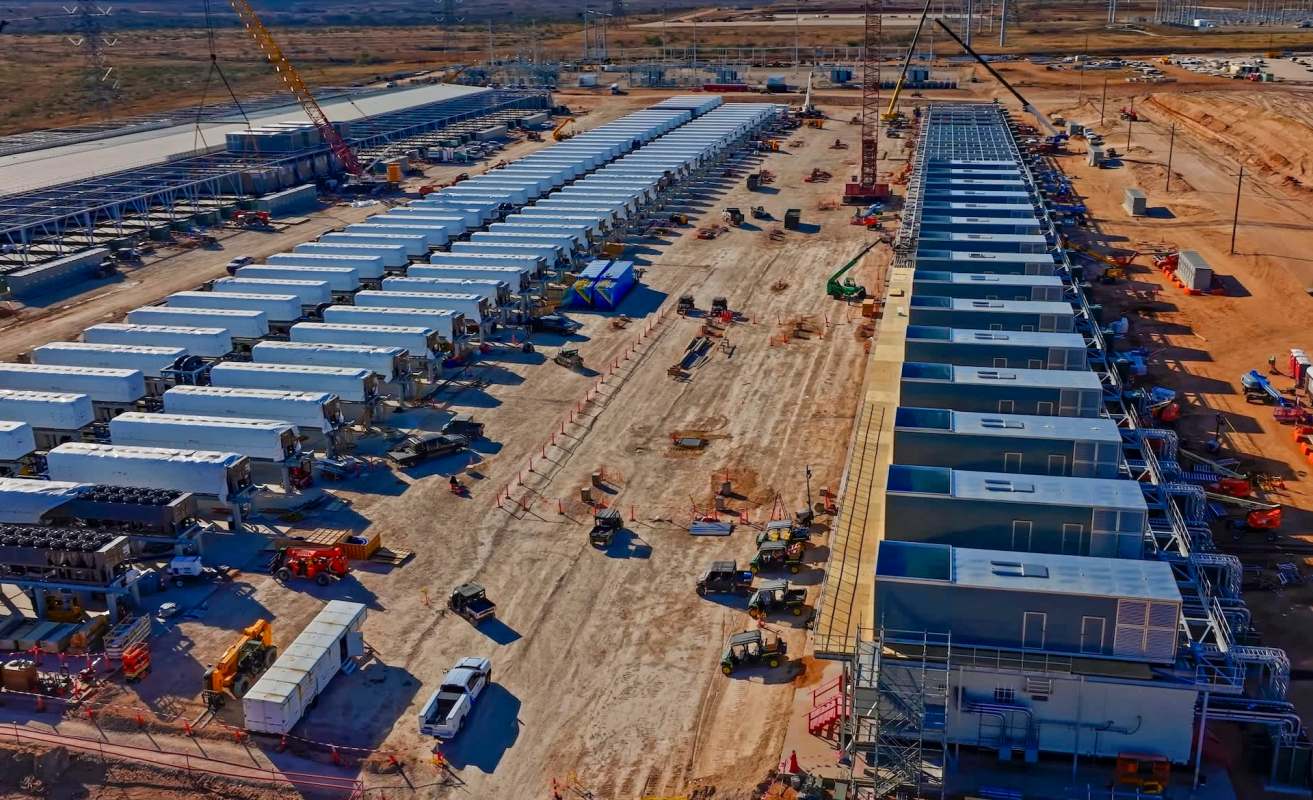
Residents in a Kentucky community are opposing a proposed data center because they believe it could alter their rural surroundings, put water resources at risk, and shape future development near one of the nation's best-known cave systems.
What's happening?
In Barren County, attention has increasingly turned to a proposed 381-acre data center in Cave City. Kentucky Industrial Alliance, the developer, is suing over the city's moratorium, arguing that its plan was submitted before the pause and therefore should be reviewed under the zoning rules that were in effect at that time, Spectrum News 1 reported.
According to the lawsuit, the company controls more than 600 acres connected to the larger project and has already invested about $2 million in the proposal. The location is about 10 miles from Mammoth Cave National Park.
Speaking at a protest, Cave City resident Angie Herald said nearby landowners were caught off guard by both the size of the project and where it would be built.
"We were shocked, because we had not heard anything about it and we found out it was going to be literally in my backyard," Herald said, per Spectrum News 1.
She said the uncertainty feels especially significant for her family because of the farm they have maintained for decades.
TCD Picks » Quince Spotlight
💡These best-sellers from Quince deliver affordable, sustainable luxury for all




"We have a lot of livestock and we have a lot of animals, we have a small farm that we've had for 35 years, so we were very shocked and concerned," she said.
Why does it matter?
Residents say their objections are not limited to appearance or traffic. They also worry about runoff, property values and potential harm to the sensitive underground water system linked to the landscape around Mammoth Cave.
Herald explained, "We're worried about the runoff because that will go in the sinkhole."
Her comments echo warnings from the National Parks Conservation Association that data center projects near protected areas can put pressure on land, water and energy resources.
Data centers are increasingly used to power cloud computing and AI tools, and AI can provide real benefits, including helping utilities forecast electricity demand and optimize clean energy systems.
However, that growth also comes with tradeoffs. AI-linked data centers can consume enormous amounts of electricity and water for cooling, strain local power grids, increase utility costs, and raise concerns about security, misuse, and other unintended societal consequences.
What's being done?
Local officials are trying to buy time while tightening zoning rules.
Cave City Council Member Leticia Cline said she believes the moratorium was handled properly and that smaller communities can be especially exposed when large industrial proposals arrive quickly.
"Small cities are available for sale," Cline said. "They've got cheap land and no zoning, and that's why a lot of these industries and data centers are approaching them and coming up unexpected."
"I feel it to be the death of Cave City," said Cave City resident Kathy Minor.
Another Cave City resident, Gary Minor, expressed, "We won't be able to sell our property. Who's going to buy a property next to a data center? You know, it'll be worthless."

Get TCD's free newsletters for easy tips, smart advice, and a chance to earn $5,000 toward home upgrades. To see more stories like this one, change your Google preferences here.






