


Princeton, Iowa, put nearly $800,000 into a backup well and water tower as part of an effort to protect its long-term drinking water supply.
The plan backfired when tests showed the new well was drawing nitrate-contaminated water that residents cannot safely drink.
What happened?
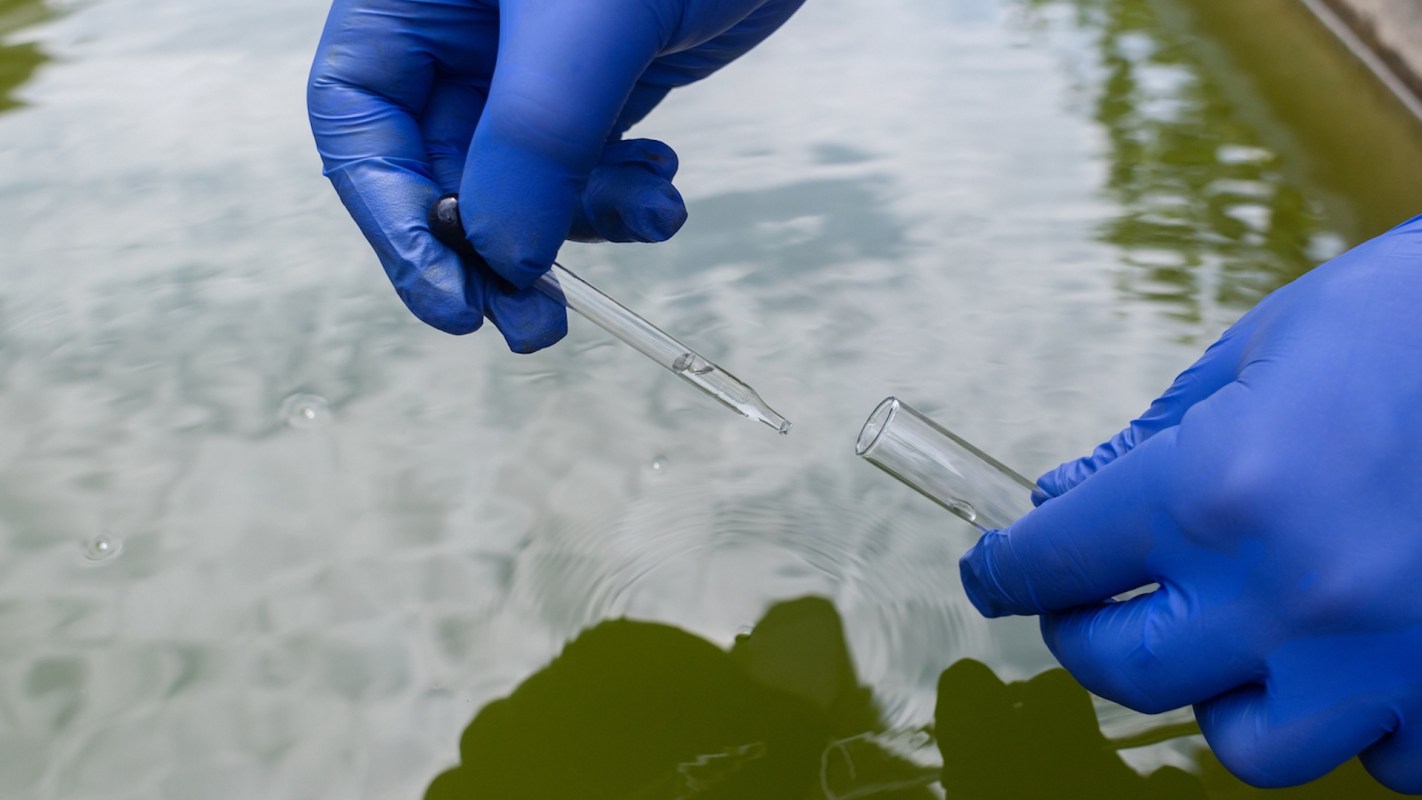
Testing found 12.1 milligrams of nitrate per liter in the replacement well, exceeding the Environmental Protection Agency limit of 10 milligrams per liter, after the city worked through early equipment problems.
Princeton, a Mississippi River town of about 1,000 people, had drilled the well after closing an older auxiliary well in 2009 because of recurring nitrate issues, The Gazette reported.
That left the city relying on its single main well, which still serves roughly 350 homes and businesses.
Princeton public works foreman Chris Rindler said going without a dependable backup well is not a realistic option: "We have 1,000 people that need water, potable water. And to not give them that reliable backup, well, I don't think that's an option."
TCD Picks » Quince Spotlight
💡These best-sellers from Quince deliver affordable, sustainable luxury for all




The situation is especially puzzling because all three of Princeton's wells draw from the same deep Silurian-Devonian aquifer.
Rindler said the closed well's nitrate levels later climbed to about 16 milligrams per liter by spring 2025, and none of the follow-up samples have fallen within the legal range.
Why does it matter?
High nitrate levels in drinking water are a serious public health concern, particularly for infants and pregnant women.
According to the Department of Natural Resources' latest compliance report, nitrate violations accounted for the largest share of 2024 health-based violations for Iowa public water systems.
Ryan Clark, an associate state geologist with the Iowa Geological Survey, said contamination in the Silurian aquifer is not limited to one farm or one community.
"It's a much bigger picture," Clark said, per The Gazette.
David Cwiertny, who leads the University of Iowa's Center for Health Effects of Environmental Contamination, said small towns that rely on groundwater may still face steep treatment costs as nitrate contamination spreads, and those expenses can show up in higher water bills.
What's being done?
To reduce possible contamination near the wellhead, Princeton has leased about 25 acres surrounding the contaminated well and pays landowners $300 per acre each year not to use fertilizer there.
Mayor Travis Volrath said the arrangement costs the city a little less than $8,000 annually, but it has produced only limited results so far.
"I would say the data shows that we haven't moved the needle much. It has gently trended down, but not far enough to matter," Volrath said, per The Gazette.
The city is also pursuing a more technical explanation. Officials applied for a $10,000 state grant to study whether a crack in the well casing is allowing nitrate-laden water to seep in.
If that proves to be the problem, repairs could cost less than building a full nitrate treatment system, though they would still be expensive.
Without a casing defect to fix, Princeton may have to take bigger steps, including installing a reverse osmosis system that could cost more than $1 million.

Get TCD's free newsletters for easy tips, smart advice, and a chance to earn $5,000 toward home upgrades. To see more stories like this one, change your Google preferences here.






