


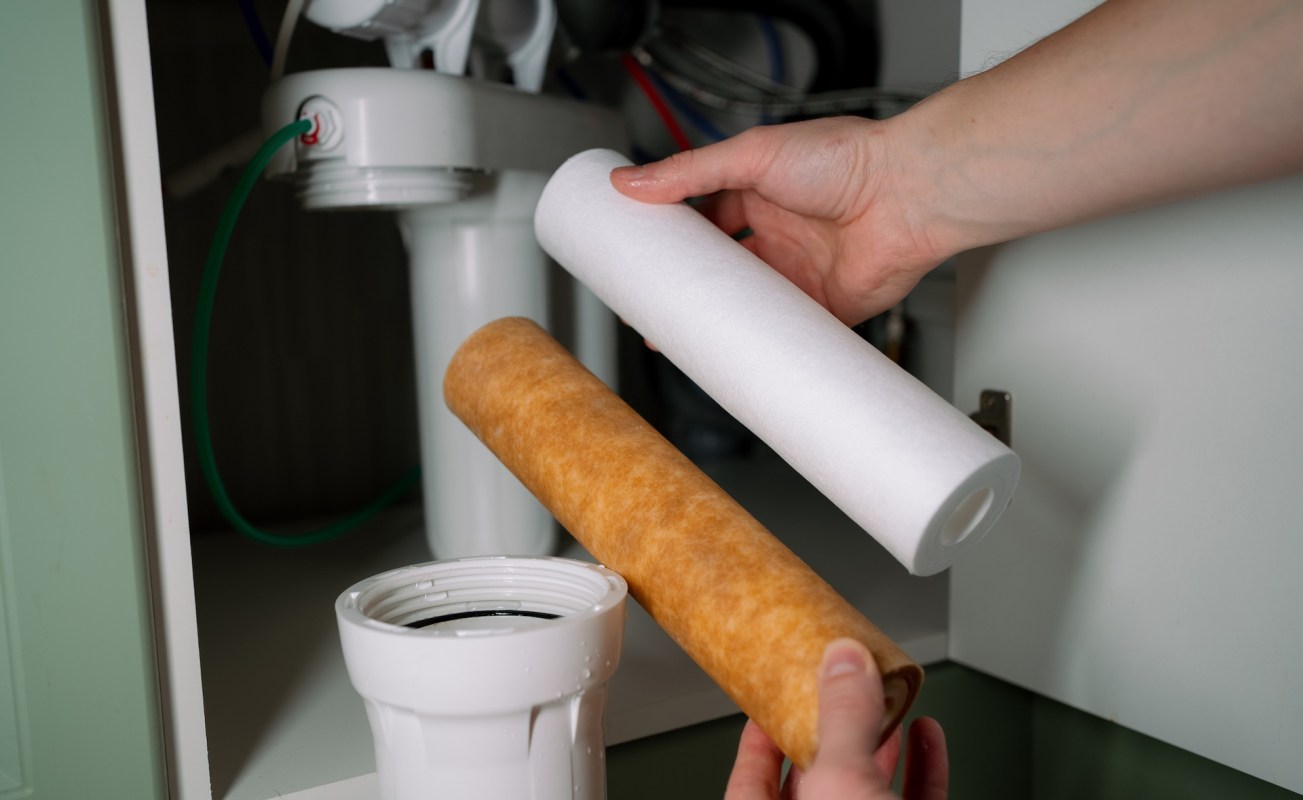
A water purifier that works during a blackout may still become useless once its replacement filters run out. That concern became a central issue in an online discussion comparing reverse osmosis with distillation for emergency drinking water.
Here's what to know
The original poster wanted to know whether reverse osmosis could work in a survival situation without modern infrastructure. "Am I correct in assuming that reverse osmosis is ultimately the best way to purify water?" the original poster asked in a Reddit discussion on r/preppers.
Volatile organic compounds can travel with water vapor through a simple distiller, requiring additional treatment. The poster cited that limitation from author Matthew Stein's When Technology Fails, which also distinguishes removing chemical contaminants from killing microorganisms.
Pump power was only one requirement for a commenter's aquarium reverse-osmosis/deionization setup; the filters also had different replacement schedules. Some lasted months, while others lasted years, making filter supply a separate concern from powering the pump.
More background
No test results in the thread established what the poster's well water contained. Their concerns were bacteria and heavy metals; they said they had access to an artesian well that had been cleaned and whose water was partially filtered.
A commenter suggested water testing, watershed maps, and Environmental Protection Agency remediation maps before buying equipment. The advice was to establish the water source and possible pollutants first.
TCD Picks » Quince Spotlight
💡These best-sellers from Quince deliver affordable, sustainable luxury for all




Commenters also raised concerns about operating costs and water use.
The aquarium-system owner said in their Reddit comment that their equipment needed several hours to yield a five-gallon batch of purified water and discharged three or four gallons as waste for each gallon it purified. Those figures reflected that commenter's experience, rather than a verified performance standard for all reverse-osmosis systems.
What can be done?
Indefinite self-sufficiency posed a different replacement-cartridge problem from a disruption lasting weeks or months. The commenter who recommended testing said stocking cartridges could be practical for the shorter scenario.
Others noted that hand-pumped equipment exists. One commenter described small reverse-osmosis pumps running on 48 volts at roughly 1 to 1.5 amps, paired with solar power and batteries. Those options, however, address pressure and power but don't resolve the need for replacement filters.
Where can I learn more?
Emergency water planning includes choosing a water source, maintaining filters, and powering pumps. These stories cover desert water collection, reverse-osmosis repairs, and well-water backup power.
• A desert prepper's condensation question drew recommendations for gravity filters over condensation.
• U.S. experts say tap water is often safe, though some households may need filtration.
• Preppers recommended starting with a transfer switch when a woman asked about well-water outages.

Get TCD's free newsletters for easy tips, smart advice, and a chance to earn $5,000 toward home upgrades. To see more stories like this one, change your Google preferences here.






