


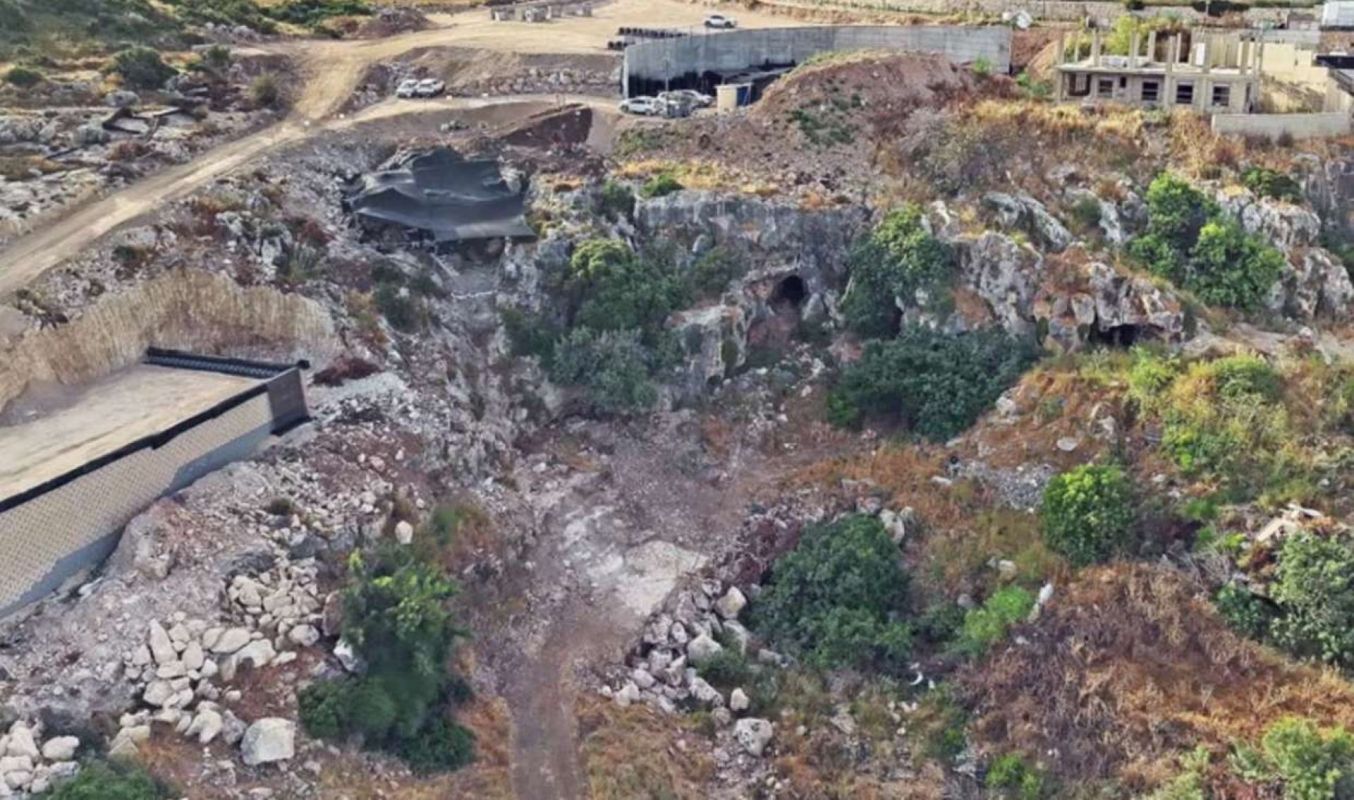
Before development work could disrupt a cave near Fureidis in northern Israel, archaeologists examined the site and found evidence that dramatically changed how it is understood, as CNN reported.
Researchers now say the cave offers an uncommon glimpse into pre-Neanderthal life, with signs that it was occupied roughly 400,000 years ago.
What happened?
When Israeli archaeologists Kobi Vardi and Ron Shimelmitz reexamined the cave first studied in the 1970s, CNN reported that they concluded it dated much further back than earlier researchers had believed.
The site had originally been estimated at about 200,000 years old, the outlet said. Newly uncovered flint tools, including hand axes, scrapers, and blades associated with the Acheulo-Yabrudian culture, led the team to conclude that pre-Neanderthal hominins in the Levant were using the cave as early as 400,000 years ago, per CNN.
Vardi relayed to the outlet that "it was a big surprise" to learn the cave was much older than expected.
The dig also revealed bones from animals such as gazelle and fallow deer, which researchers said point to hunting activity and likely fire use by groups at the cave, according to CNN. After the findings were presented, the outlet reported a road bridge was built to preserve the site and keep it accessible for future study.
TCD Picks » Quince Spotlight
💡These best-sellers from Quince deliver affordable, sustainable luxury for all




Why does it matter?
Ancient sites like this can reshape what scientists know about how early human relatives lived, moved, and adapted to their surroundings.
Shimelmitz said in a statement that the finds indicate that large groups were using caves, hunting wild animals, and using fire, "suggesting complex and rich camp life."
Because so few comparable sites can be studied, researchers say the cave stands out.
Shimelmitz called it "a unique site of global importance" in his comments.
"This time capsule belongs to a unique period at the end of the Lower Paleolithic era, just before Neanderthals and modern humans became dominant and spread across many regions," he suggested in the statement.
What are people saying?
Experts not involved in the research told CNN the cave could help fill a major gap in the story of human evolution.
Armando Falcucci, a lecturer in paleolithic archaeology at the University of Southampton, said that the evidence of fire is "particularly significant" because it marks "a major behavioural threshold in human evolution," per the outlet.
Catriona Pickard, a professor of prehistory and archaeometry and head of archaeology at the University of Edinburgh, relayed to CNN that the findings "provide rare insights into the material culture and lifeways of early hominins."
For Vardi, the biggest prize of all might be finding the cave's long-ago inhabitants during future studies.
"Our big hope in the excavation of these caves is that maybe we'll find hominin remains," he noted to CNN. "We're very anxious to meet them."

Get TCD's free newsletters for easy tips, smart advice, and a chance to earn $5,000 toward home upgrades. To see more stories like this one, change your Google preferences here.






