


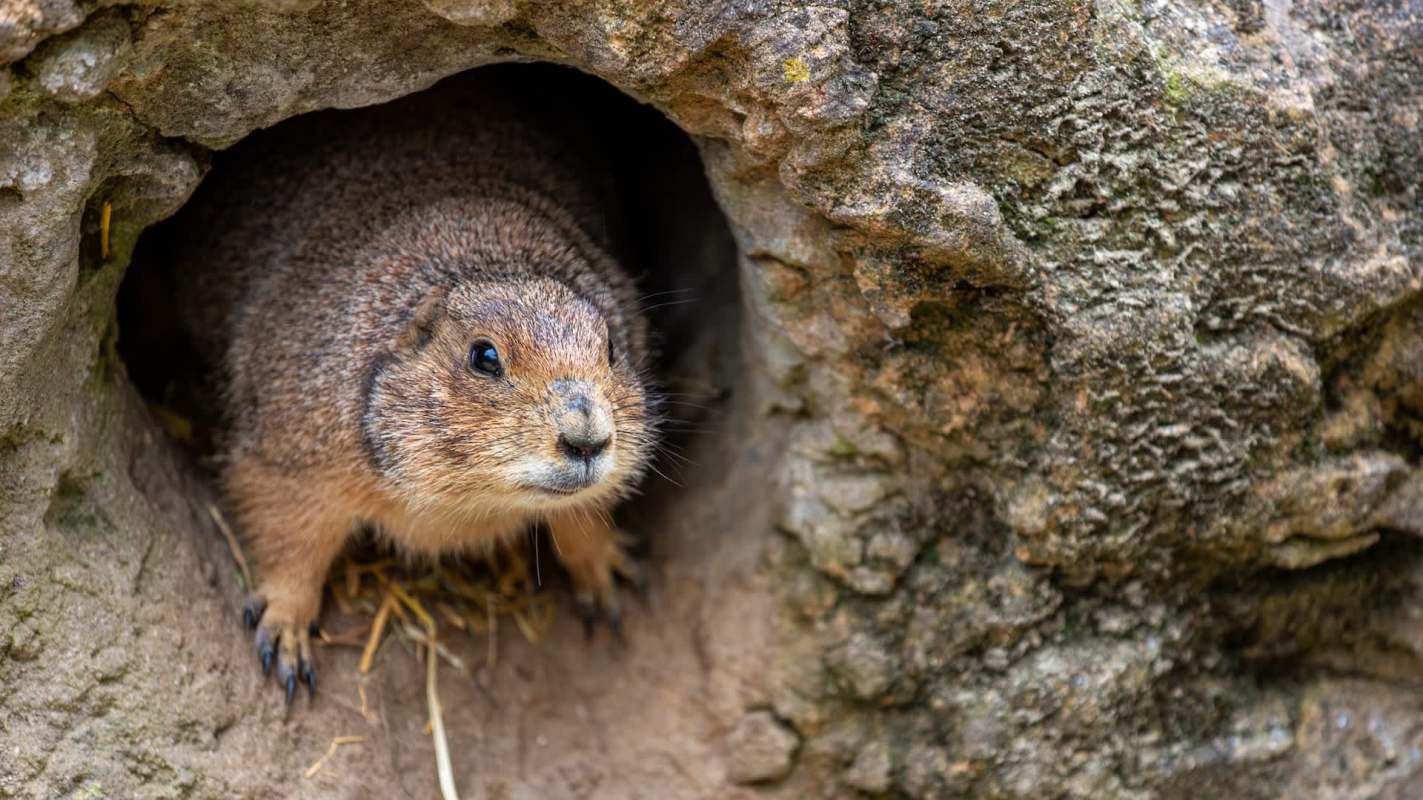
On state land near Billings, Montana, hikers who usually hear prairie dogs "chipping" have recently found the area unusually quiet. Wildlife officials think the change in volume could be a result of a suspected plague die-off, according to KTVQ.
The apparent losses were reported near the Indian Cliffs subdivision along Highway 3.
What's happening?
Recent visitors say the colony appears to have far fewer prairie dogs than it typically does.
As KTVQ reported, local hiker Larissa McPheeters said the difference was immediately noticeable during a walk with her son and dog.
"I thought it was unusual, because normally I hear all the chipping from the prairie dogs, and there was hardly any," McPheeters said.
Chrissy Webb, the Montana Fish, Wildlife, and Parks communication and education manager for Region 5, said the pattern of deaths matches sylvatic plague. It's one of the diseases that spread during the Black Death in 14th century Europe.
TCD Picks » Quince Spotlight
💡These best-sellers from Quince deliver affordable, sustainable luxury for all




Fleas can carry the bacteria, Yersinia pestis, that transmits the plague. Once infected fleas get into a colony, it can move through the animals quickly.
Testing has not yet confirmed plague as the cause of this die-off, but Webb said prairie dog towns are periodically affected by outbreaks like this.
"Prairie dog colonies can get hit with plague," Webb said. "It might sound shocking to some folks, but it is sort of a normal part that can be in a prairie dog colony's life cycle."
Why is this concerning?
Prairie dog habitat often overlaps with areas where people spend time outdoors. A sudden die-off may make people worry whether it's still OK for them to spend time in those outdoor spaces.
"Fleas usually stay pretty close to their host, so you would have to be in pretty close proximity to a prairie dog to really be susceptible to this," Webb said.
Prairie dog colonies are part of Montana's grassland landscape, and disease-related losses can temporarily set back the recovery of local wildlife populations. And if outbreaks are recurring, that can further slow down recovery.
What's being done?
FWP said it has monitored this area in prior years, along with a field near Skyview High School, and officials emphasized that affected colonies often recover over time and repopulate.
The agency is also asking the public to report unusual wildlife activity.
FWP advised people not to touch animals, alive or dead, and also recommended insect repellent along with long sleeves and pants.
Webb also urged dog owners to keep dogs away from both prairie dogs and carcasses and to make sure vaccinations are up to date. She added that dogs are generally less susceptible than cats, but they still should not be allowed to chew on dead or live prairie dogs.

Get TCD's free newsletters for easy tips, smart advice, and a chance to earn $5,000 toward home upgrades. To see more stories like this one, change your Google preferences here.






