


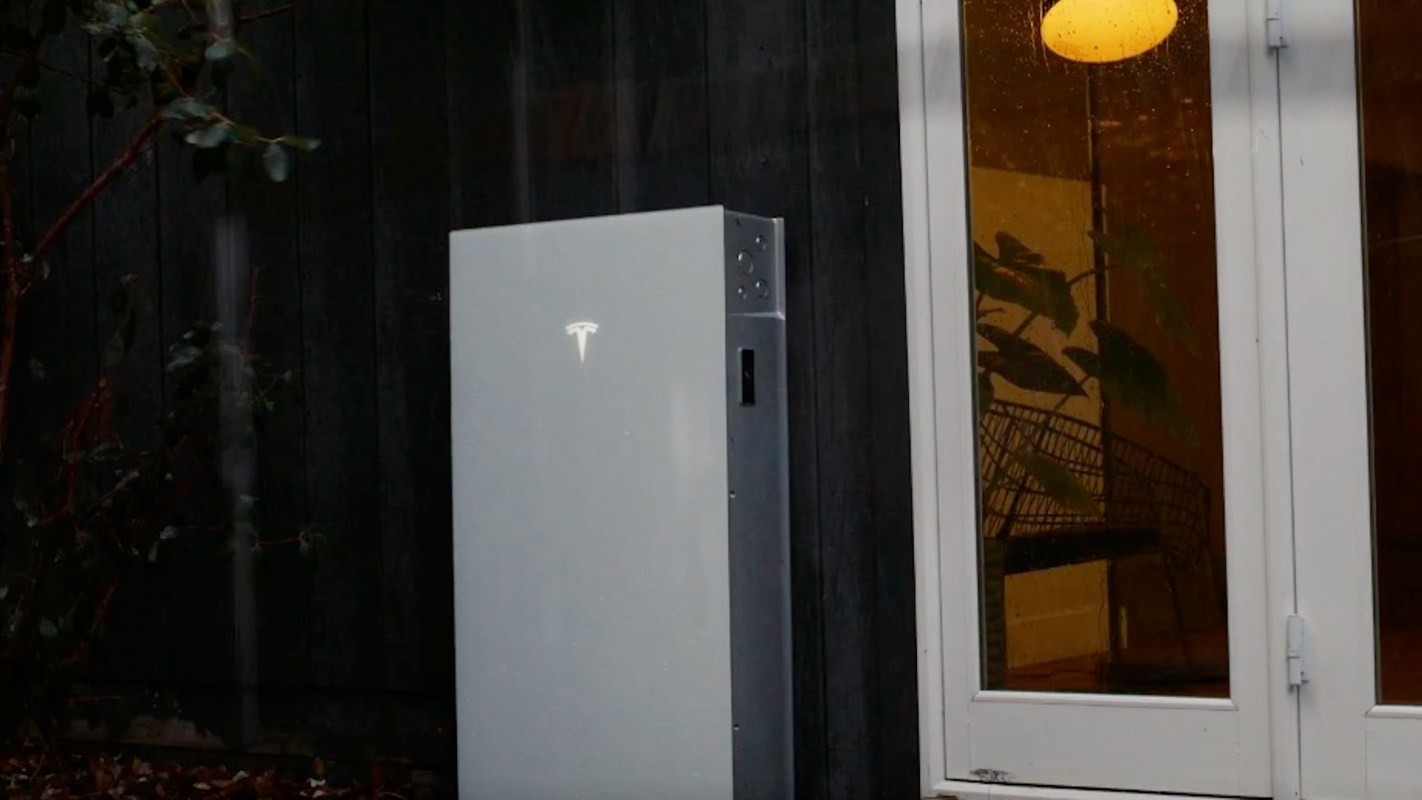
Tesla is reminding Powerwall owners that one of the backup battery's most practical features could soon become much more important.
As forecasters warn that El Niño is strengthening toward a very strong phase, the company is drawing attention to its Storm Watch setting, meant to prepare homes before the grid goes down.
Here's what to know
On September 9, Tesla Energy shared a warning on X that "A super El Niño is coming" and reminded its customers that "Powerwall Storm Watch mode tracks severe weather & automatically charges your Powerwall to maximum capacity."
A super El Niño is coming Powerwall Storm Watch mode tracks severe weather & automatically charges your Powerwall to maximum capacity
— Tesla Energy (@teslaenergy) September 9, 2026
The Storm Watch feature checks weather alerts for a home's area and fills the Powerwall's battery when it identifies severe conditions, so backup electricity is available if the power goes out.
Current Powerwall owners can enable this feature by turning on Storm Watch in the Tesla app, so the battery can automatically prepare when severe weather alerts are issued. The automation can be especially useful when storms arrive quickly or when homeowners are away.
Tesla's reminder also comes as residential battery storage gains traction in several key markets. The company's backup power systems are officially spreading to Japan and across Europe, moves that keep residential storage in the spotlight as storm season nears in both hemispheres, per Tesla North.
More background
When severe weather is approaching, an automatic pre-charge feature can make the difference between heading into an outage prepared and being caught off guard after the power fails.
For homeowners weighing backup options, battery storage can do far more than keep the lights on during an outage. It can help protect a home during blackouts, lower energy costs, and move households closer to going off-grid. It can also help families avoid hidden costs of power loss, from spoiled groceries and medications to missed work, while giving them more control over how and when they use electricity.
Save $10,000 on solar panels without even sharing your phone number Want to go solar but not sure who to trust? EnergySage has your back with free and transparent quotes from fully vetted providers in your area. To get started, just answer a few questions about your home — no phone number required. Within a day or two, EnergySage will email you the best options for your needs, and their expert advisers can help you compare quotes and pick a winner. Solar panels can save you more than $50k over their 25-year lifespan, and EnergySage can help you save as much as $10k on installation. Which begs the question — isn't that worth an email or two? |

If you're exploring home battery storage for your home, it may be worth checking out EnergySage for options and competitive installation estimates. EnergySage has also teamed up with the electrification brand Qmerit to guarantee you get the best price on home battery storage solutions.
For people who want a smaller-scale option, Pila is another company offering excellent battery backup choices. Its plug-and-play batteries cost a fraction of a whole-home backup system, making them a more accessible entry point for some households.
Where can I learn more?
Tesla's El Niño warning arrives as home batteries are being pushed beyond emergency backup and into everyday use during grid strain, high-rate periods, and outages. The articles here show how Powerwall is changing and how competitors and lower-cost alternatives are giving more households a way to prepare.
• Tesla's home backup system is increasingly being pitched as a shield against worsening blackouts.
• Across the backup market, next-gen alternatives can save families from blackouts as Tesla loses share.
• Pila is pushing DIY home backup tech that makes household storage far cheaper to try.
Home batteries are getting more capable, more common, and more competitive, which gives homeowners heading into a very strong El Niño a clearer sense of their options.

Get TCD's free newsletters for easy tips, smart advice, and a chance to earn $5,000 toward home upgrades. To see more stories like this one, change your Google preferences here.






