


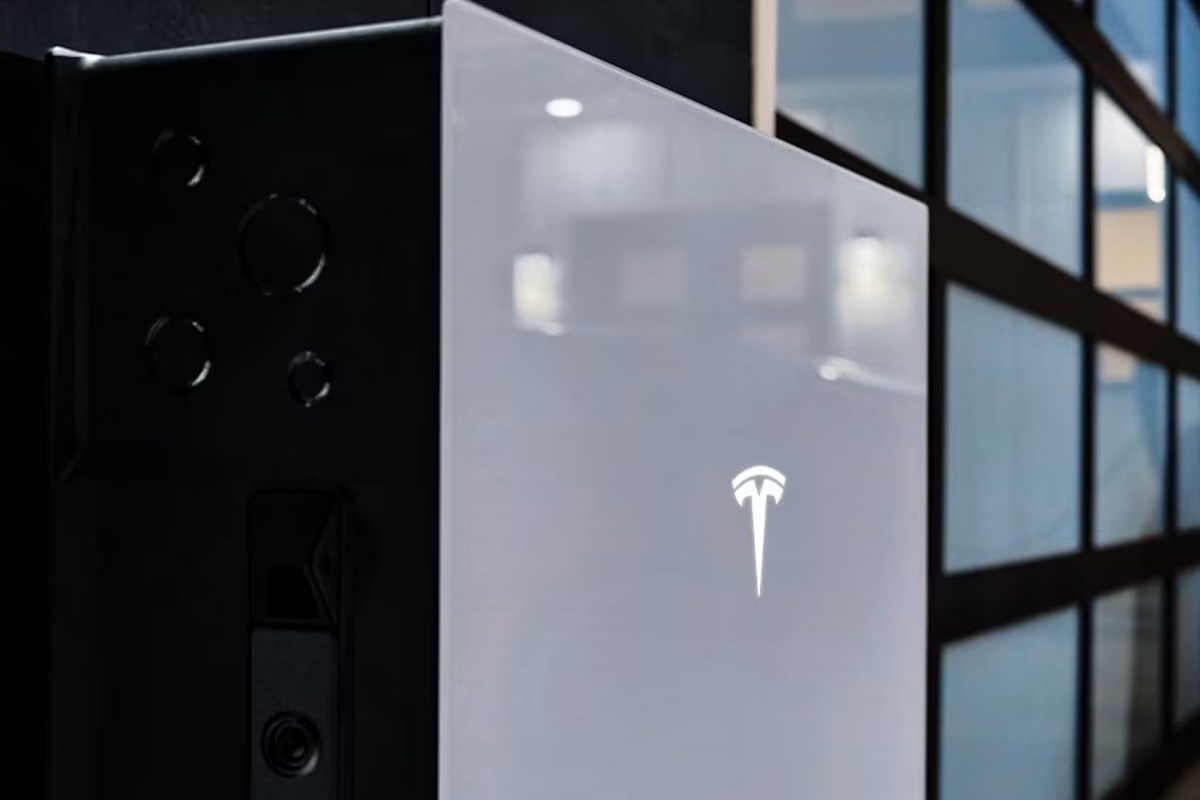
A Powerwall owner turned to Reddit after a routine battery calibration spiraled into a four-day loop of draining, recharging, and starting over. Having to deal with odd charging errors, what should have been a normal maintenance cycle instead became a stressful problem for someone who depends on backup power.
What happened?
According to a post in Reddit's Powerwall community, the issue involved two Powerwall 3 units that usually calibrate about once every few months — the battery percentage dropping to zero, then charging back up to 100%.
However, this time, the process did not finish in a single run. The batteries recharged to full after stopping at 43%; hours later, they recharged after dropping to about 45%; and on a third attempt, they dropped to 17% before heading back to 100%.
"On Monday of this week (it's now Friday) it decided it was time for a calibration," the poster wrote. "At 43% SoC it stopped the discharging, and recharged to 100%. Then, some hours later, it started the process a second time … Some hours after it hit 100%, it started the process again, discharging to 17% this time."
Because the home has net metering, the owner said the batteries are reserved entirely for backup use.
Why does it matter?
Battery storage is one of the most effective ways to protect a home during outages, lower energy costs, and get even closer to going off-grid. A home battery can keep your electric vehicle charged and your essentials running when the grid goes down. In some setups, it can reduce the amount of expensive electricity a household needs to buy during peak hours.
To see options that work best with your needs, EnergySage provides convenient and 100% free tools to get information about home battery storage options. It includes competitive installation estimates and even financial incentives when you choose to install.
EnergySage has teamed up with the electrification company Qmerit to ensure you get the best price on home battery storage solutions.
Crushed by your bills? See instant solar savings from vetted installers in just a few clicks With energy prices through the roof, there's never been a better time to go solar — and EasyHome can help you find the best prices from the best installers in your area. EasyHome takes the guesswork and headaches out of energy upgrades by showing you estimated savings from a network of vetted local partners. To get started, just enter your ZIP and share a few details about your home — seeing your estimate is really that easy. |

Repeated draining and charging can leave owners wondering whether their backup power will be available when they need it most. It can also create extra concern for households on time-of-use plans if the routine overlaps with costly utility periods.
Pila is another company that offers excellent battery backup options. Its plug-and-play batteries are priced at a fraction of the cost of a whole-home backup system. Pila's batteries are simple and quick to use, without even needing to hire an electrician to install them.
What are people saying?
This discussion sparked advice, while others shared how they can relate to the poster's problems with their Powerwall. One user wrote: "Argg I hate those! Specially when it does it during peak hours rate time!"
Another user suggested a possible explanation: "Could be that the first calibration didn't succeed so it did a fallback to calibrating the whole system together. For calibrations I always suggest doing whatever you can to get them done as fast as possible."
One commenter also pointed out, "The newest firmware allows you to delay the calibration or just stop it." However, the original poster responded that they didn't see any option to delay.
They later wrote: "Just to update that third time was the charm and my PW3s are calibrated and no longer discharging or charging. Whew."

Get TCD's free newsletters for easy tips, smart advice, and a chance to earn $5,000 toward home upgrades. To see more stories like this one, change your Google preferences here.






