


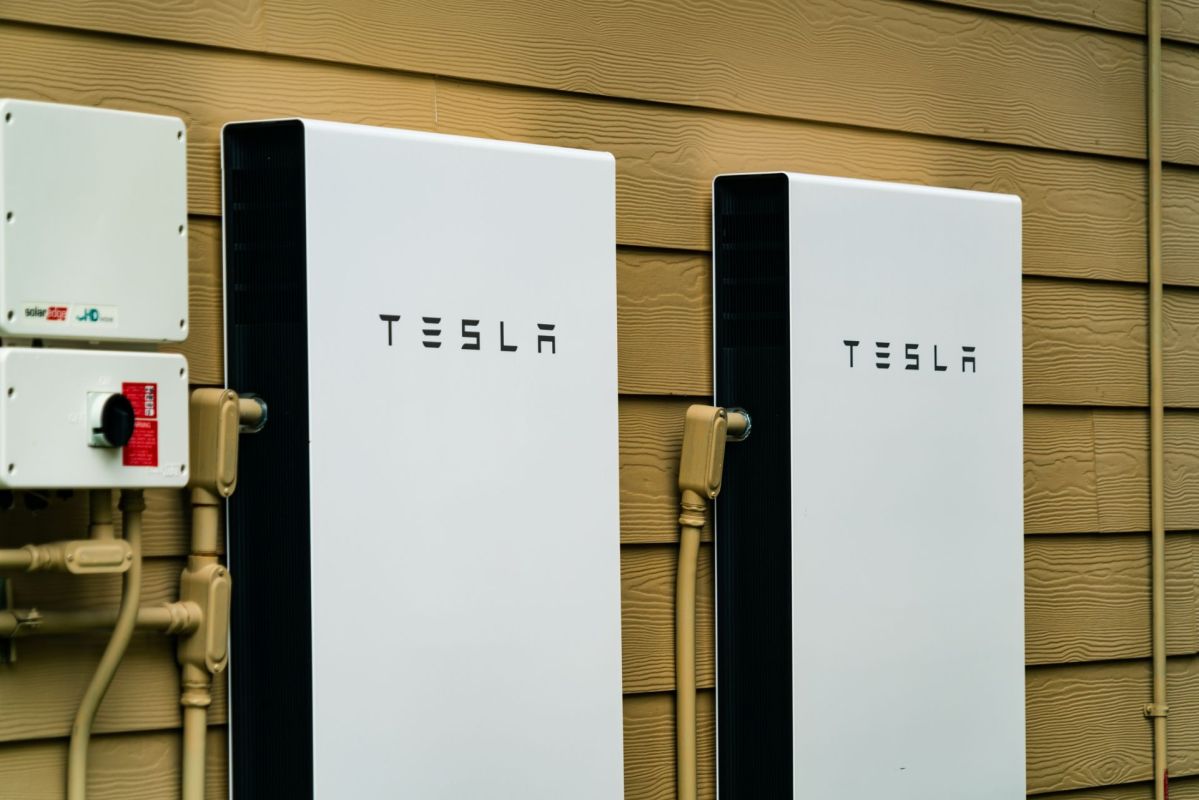
An Australian Tesla Powerwall owner raised a simple but important question: If home batteries are full or empty, why are they still pulling power?
For homeowners closely watching every watt in a backup system, that kind of constant draw can matter, especially when battery storage is supposed to lower energy bills and keep a home running when the grid goes down.
Here's what to know
The question came up in a thread on Reddit's r/Powerwall, where the original poster wrote, "We have 2x powerwall 2's and when they are empty or full I can still see them using 150-200W of power from the grid or solar. I guess this means they are always this power but what for? I'm in Australia, exporting solar only, seen them calibrate recently. No updates seem available. Should I get my installer to check the system?"
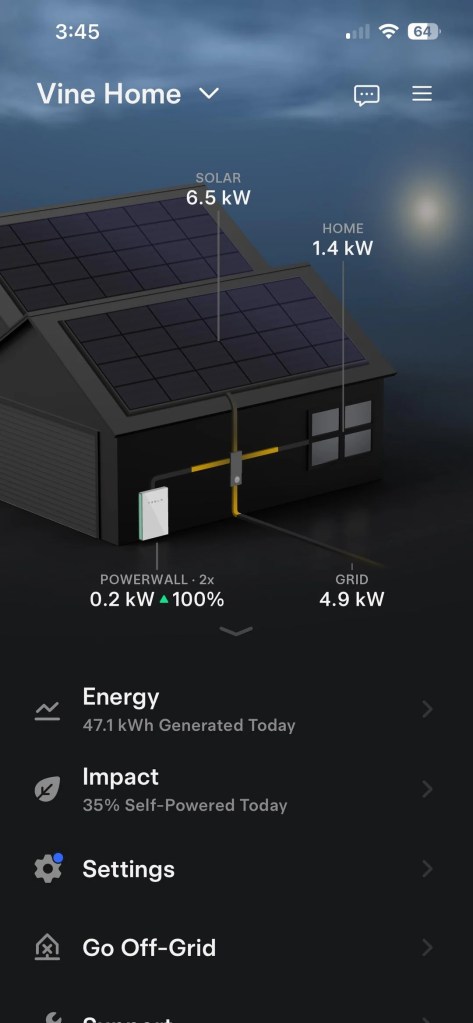
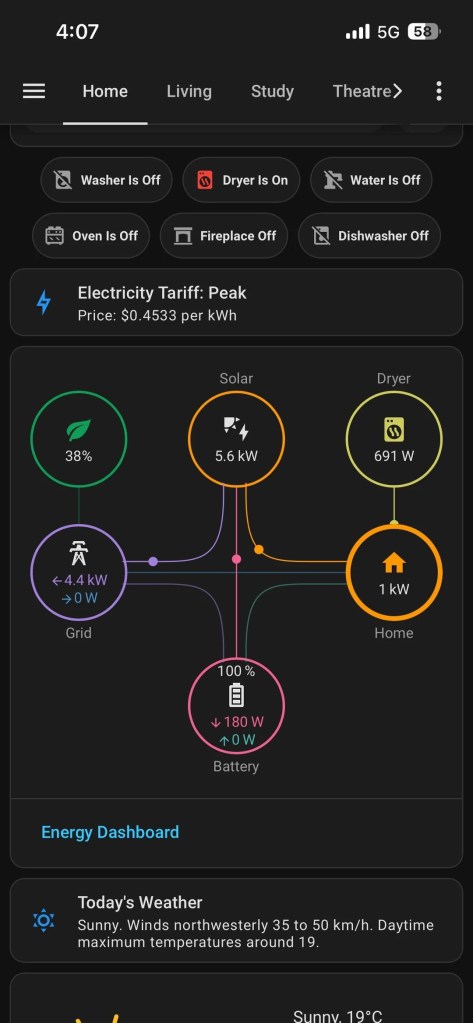
The replies largely pointed to ordinary standby consumption rather than a clear system problem.
"It's still on. Otherwise lag to start would be greater," one commenter wrote.
Another suggested the total might break down to about 100 watts per battery for "control circuits, fans, etc."
That explanation lines up with one of the main reasons many homeowners install battery systems in the first place: readiness. Adding battery storage is one of the best ways to protect your home during outages, save money on energy, and go off-grid. If you're considering that tradeoff, explore EnergySage for information on home battery storage options, including competitive installation estimates.
EnergySage has teamed up with the electrification brand Qmerit to guarantee you get the best price on home battery storage solutions. Another company to know is Pila, which offers excellent battery backup options, with plug-and-play batteries priced at a fraction of what a whole-home backup system would cost.
Crushed by your bills? See instant solar savings from vetted installers in just a few clicks With energy prices through the roof, there's never been a better time to go solar — and EasyHome can help you find the best prices from the best installers in your area. EasyHome takes the guesswork and headaches out of energy upgrades by showing you estimated savings from a network of vetted local partners. To get started, just enter your ZIP and share a few details about your home — seeing your estimate is really that easy. |

More background
These systems are active pieces of hardware that monitor conditions, manage performance, and stay ready to respond quickly if a home suddenly needs backup power.
Even a modest continuous draw can affect the real-world efficiency homeowners see over time, particularly for people who closely track how much solar power they export, store, or use overnight.
Temperature control also came up in the discussion, with one commenter asking whether the Powerwalls could heat or cool themselves. But the original poster said the weather was in roughly the same 45-64°F (7-18 degrees Celsius) range another commenter mentioned, making electronics overhead and system readiness seem like the more likely explanation.
During blackouts, battery storage can keep essentials such as lights, refrigerators, internet equipment, and medical devices running while also helping households rely less on expensive peak grid power.
Where can I learn more?
Tesla batteries can act in ways that catch homeowners off guard, and these stories dig into a few of the most common questions. They cover confusing grid charging, new Powerwall features, rapid installation growth, and battery projects in Australia.
• In California, a homeowner learned why Powerwall drew grid power right after installation.
• Tesla confirmed game-changing details about its Powerwall 3, including a notable off-grid feature.
• Tesla's half a million installations show how quickly home battery backup is spreading worldwide.
• In South Australia, residents wiped out a community center power bill with one giant battery.
• In New South Wales, 144 Tesla Megapacks prepare to back Australia's first eight-hour battery.

Get TCD's free newsletters for easy tips, smart advice, and a chance to earn $5,000 toward home upgrades. To see more stories like this one, change your Google preferences here.






