


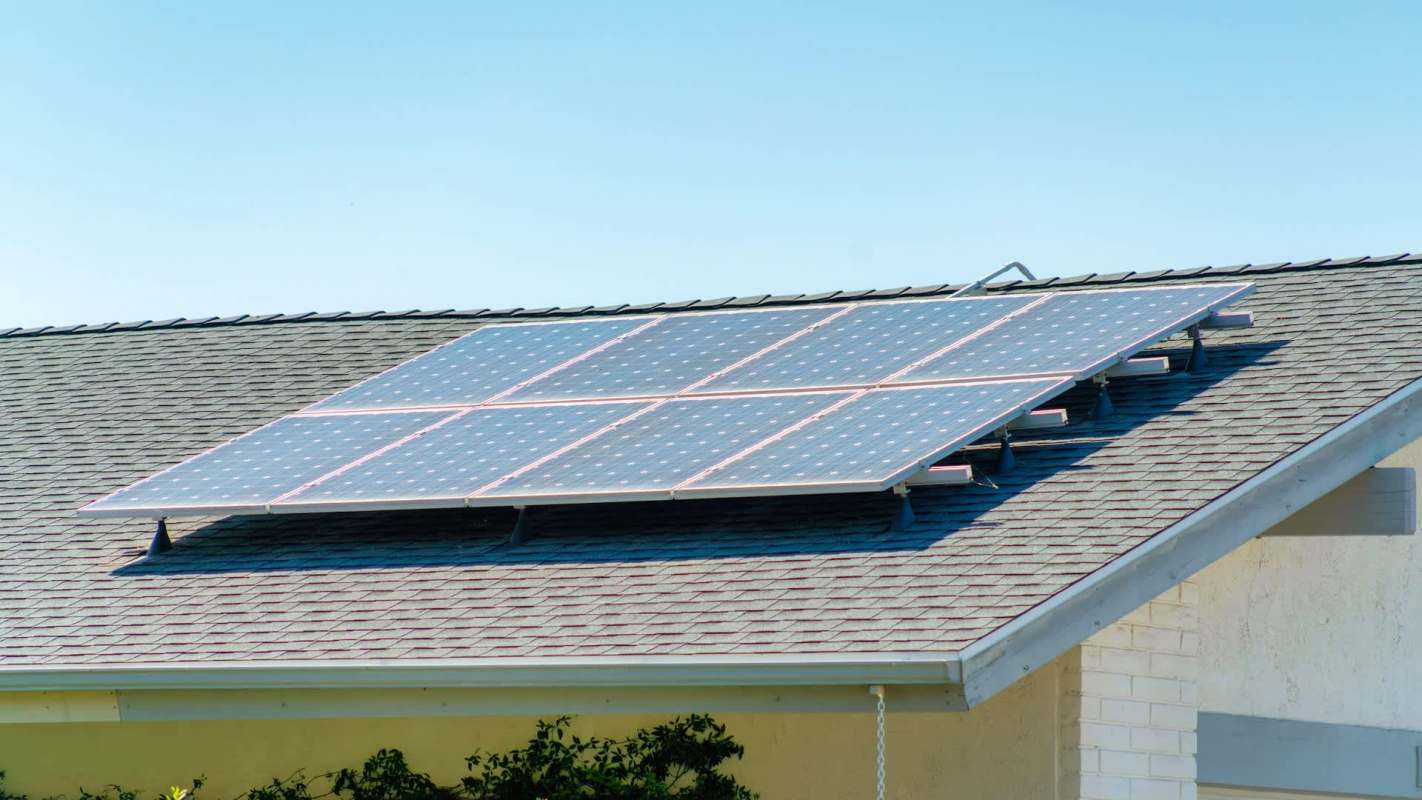
A Tesla Powerwall 3 owner learned a hard lesson during a multiday outage: Once the battery hit zero, the home's rooftop solar system could not bring it back online on its own.
Instead of providing the seamless backup power many homeowners expect, the setup left the household relying on a generator and extension cords until utility service was restored.
What happened?
The outage had already stretched into the night when the homeowner found the Powerwall 3 fully drained.
In the Reddit post, the user said the battery had dropped to about 5% before the system shut down, and that a restart attempt in the app briefly powered the house for around 10 minutes before the system cut out again.
The numbers shared in the thread indicate very high household demand.
In a follow-up comment, the poster said the two-family home uses around 100 kilowatt-hours per day and includes "Three fridges, jacuzzi, inground pool, two kitchens, electric car, two air conditioners, etc."
TCD Picks » Quince Spotlight
💡These best-sellers from Quince deliver affordable, sustainable luxury for all




Around the time the battery died, the home was using about 3.5 kilowatt-hours while the solar panels were producing roughly 1 kilowatt-hour.
The outcome was worse than some commenters expected.
Early replies suggested the battery management system might still be holding back a small reserve even though the app showed 0%, with one person writing, "I'm certain the Tesla BMS is only showing you 0% while the battery is at a level that allows self preservation. It'll be fine."
But after four days without utility power, the original poster said the system still had not restarted and only came back once grid service was restored.
Why does it matter?
Solar panels paired with battery storage offer two major advantages: lower electric bills and backup power during outages. By storing daytime solar energy for later use, these systems can reduce the amount of electricity a household needs to buy from the grid, particularly during expensive evening hours.
A single battery can drain quickly if large loads such as air conditioning, pool equipment, and other appliances keep running.
As more people electrify their homes and install rooftop solar, proper sizing, load management, and outage preparation all play a critical role in whether those savings and backup benefits hold up during a real emergency.
What can I do?
Much of the advice in the discussion focused on reducing demand so that any available solar power can go toward the battery instead of being consumed by the house right away.
Commenters recommended shutting off nonessential circuits and bringing them back gradually, including one user who suggested leaving "all your other breakers other than your main breaker" off at first.
For larger households or homes with high-consumption appliances, a battery reserve set too low may leave the system with too little power to reboot and coordinate with solar equipment during an outage.

Get TCD's free newsletters for easy tips, smart advice, and a chance to earn $5,000 toward home upgrades. To see more stories like this one, change your Google preferences here.






