


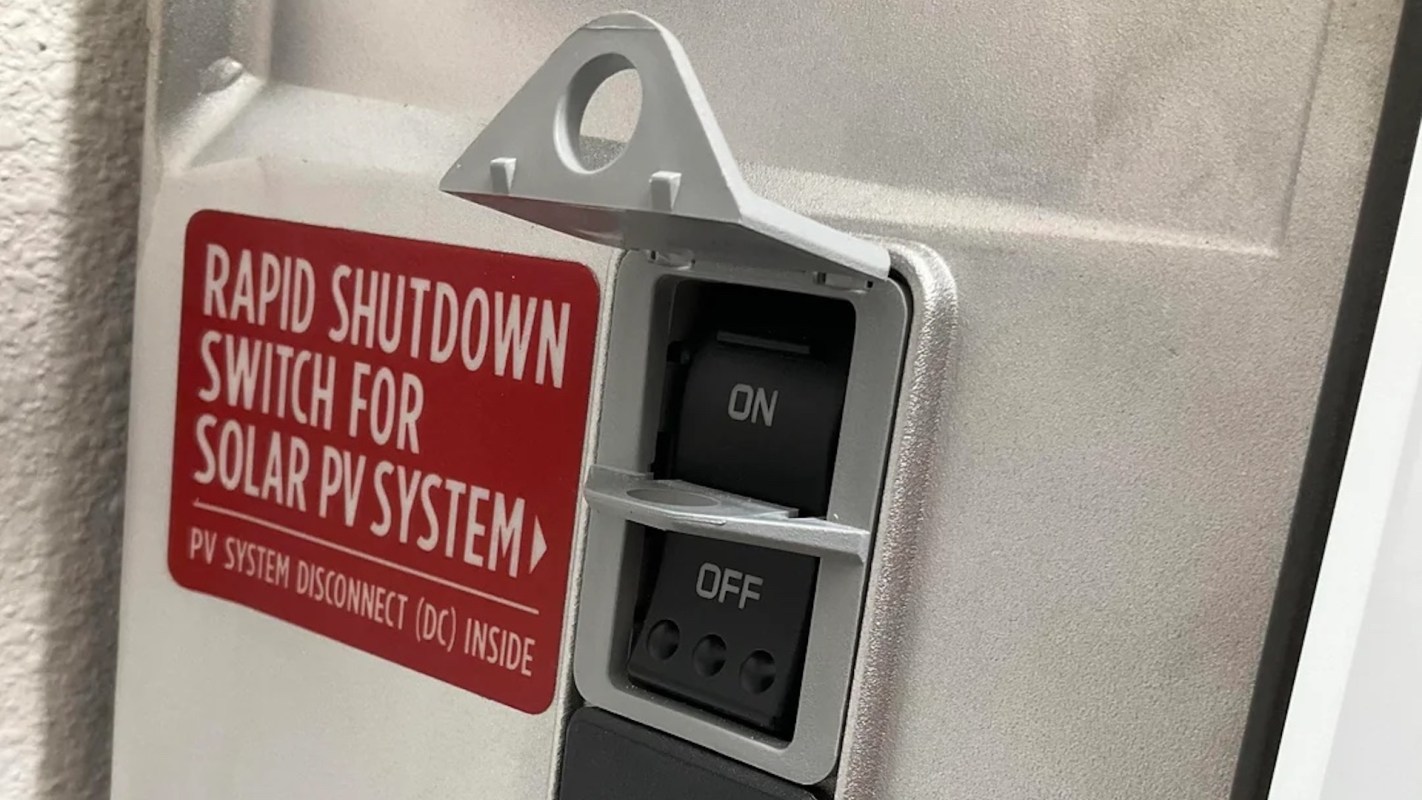
What should have been a short-lived power or internet disruption has become a more troubling issue for one Tesla Powerwall 3 owner. Since the outage, the app has shown no clear charging activity or grid movement, and the reported battery level appears to be steadily falling.
What happened?
On Reddit, the homeowner said the problem has lasted about a week and began after a "minor power and internet outage." Now, the system "will only display home and solar values that are identical to each other."
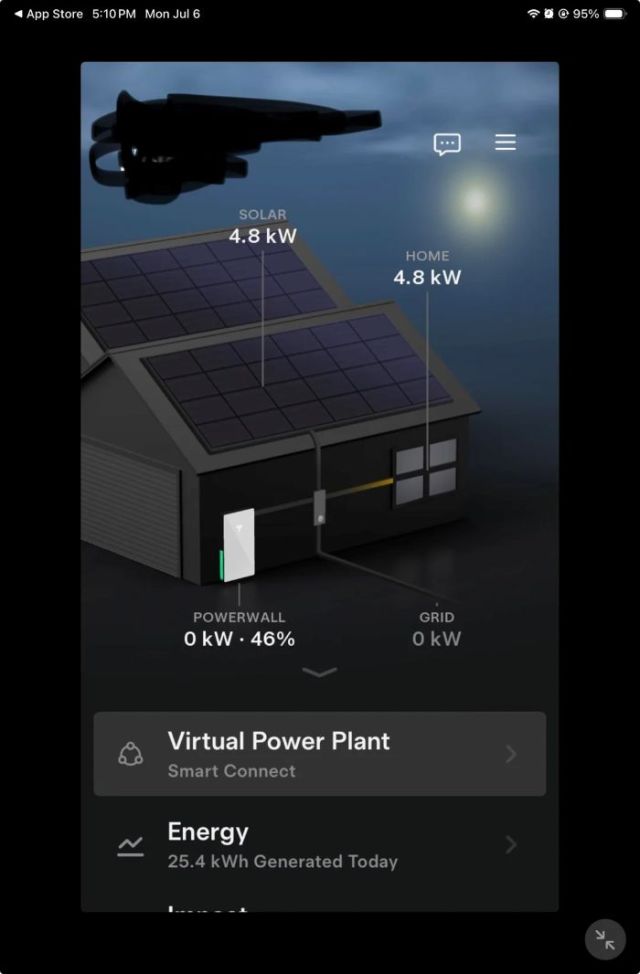
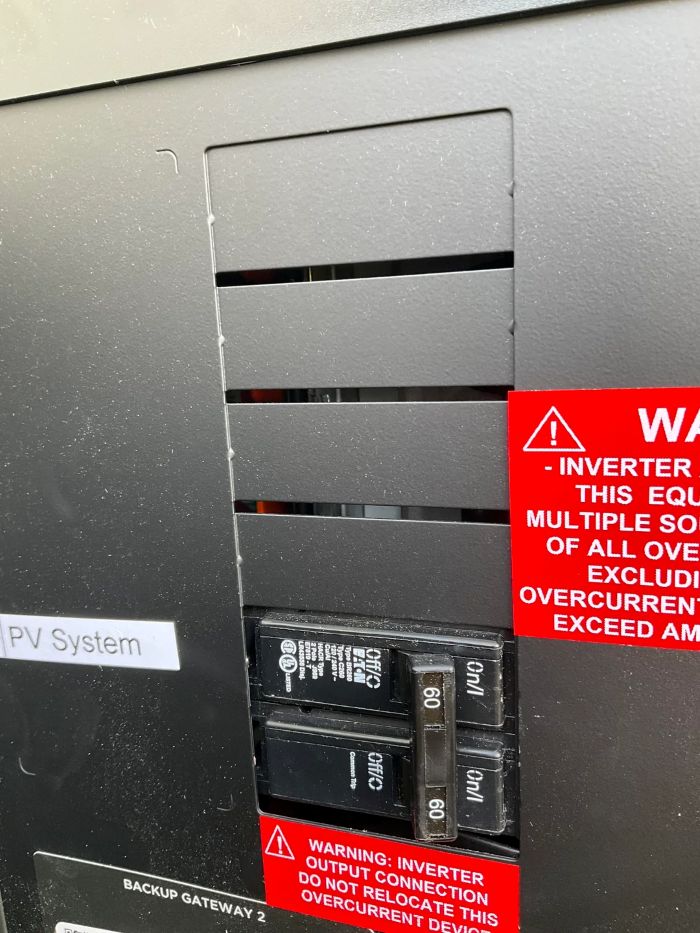
They added that several troubleshooting steps have failed to fix the issue, including resetting the Gateway 2, performing a full shutdown, and disconnecting and reconnecting the taco small harness. Meanwhile, their utility account still reports that the system is producing electricity and exporting extra power back to the grid.
That mismatch has left the owner unsure whether the battery is still charging and storing energy normally or whether the problem is limited to monitoring and communications.
"I am hoping this is just a minor display issue," they said.
Other Reddit users offered their takes. "Inverter problem?" one wondered.
Why does it matter?
When a home battery system stops showing accurate data, the problem is more than a confusing app display. People buy these systems for resilience — to keep lights, refrigeration, internet, and other essentials running when the grid goes down.
In fact, adding battery storage is one of the best ways to protect your home during outages, save money on energy, and even move closer to going off-grid. If you're exploring your options, EnergySage's free tools can help you compare home battery storage choices and get competitive installation estimates.
Save $10,000 on solar panels without even sharing your phone number Want to go solar but not sure who to trust? EnergySage has your back with free and transparent quotes from fully vetted providers in your area. To get started, just answer a few questions about your home — no phone number required. Within a day or two, EnergySage will email you the best options for your needs, and their expert advisers can help you compare quotes and pick a winner. Solar panels can save you more than $50k over their 25-year lifespan, and EnergySage can help you save as much as $10k on installation. Which begs the question — isn't that worth an email or two? |

If you're not ready for a whole-home battery system or installing one isn't feasible, another option is Pila, whose plug-and-play batteries are a fraction of the cost.
Battery storage can also help households save money by storing solar power for use later in the day, when electricity rates are often higher, and by reducing how much energy a home needs to buy from the grid.
If homeowners cannot verify whether their battery is charging, it becomes harder to trust the system in an emergency or know whether they are getting the financial value they expected.
What can I do?
If your battery system starts acting strangely after an outage, document what you're seeing. Take screenshots of the app, note any error messages, and compare the battery data with your utility portal or solar production records to see whether energy is still being generated or exported.
Check the basics: the internet connection, router status, gateway indicator lights, and any alerts from the battery manufacturer or installer. A temporary communications failure can sometimes make a working system look broken, but a falling state of charge may be a sign that service is needed.
If the issue does not clear after standard resets, homeowners should contact their installer or the manufacturer's support team and provide a timeline of what happened before and after the outage. While waiting for a fix, a smaller backup option can help cover essentials.
Eventually, the homeowner said, they were able to fix the battery expansion error. However, they had to wait 5-10 business days for their installer to troubleshoot other issues.

Get TCD's free newsletters for easy tips, smart advice, and a chance to earn $5,000 toward home upgrades. To see more stories like this one, change your Google preferences here.






