


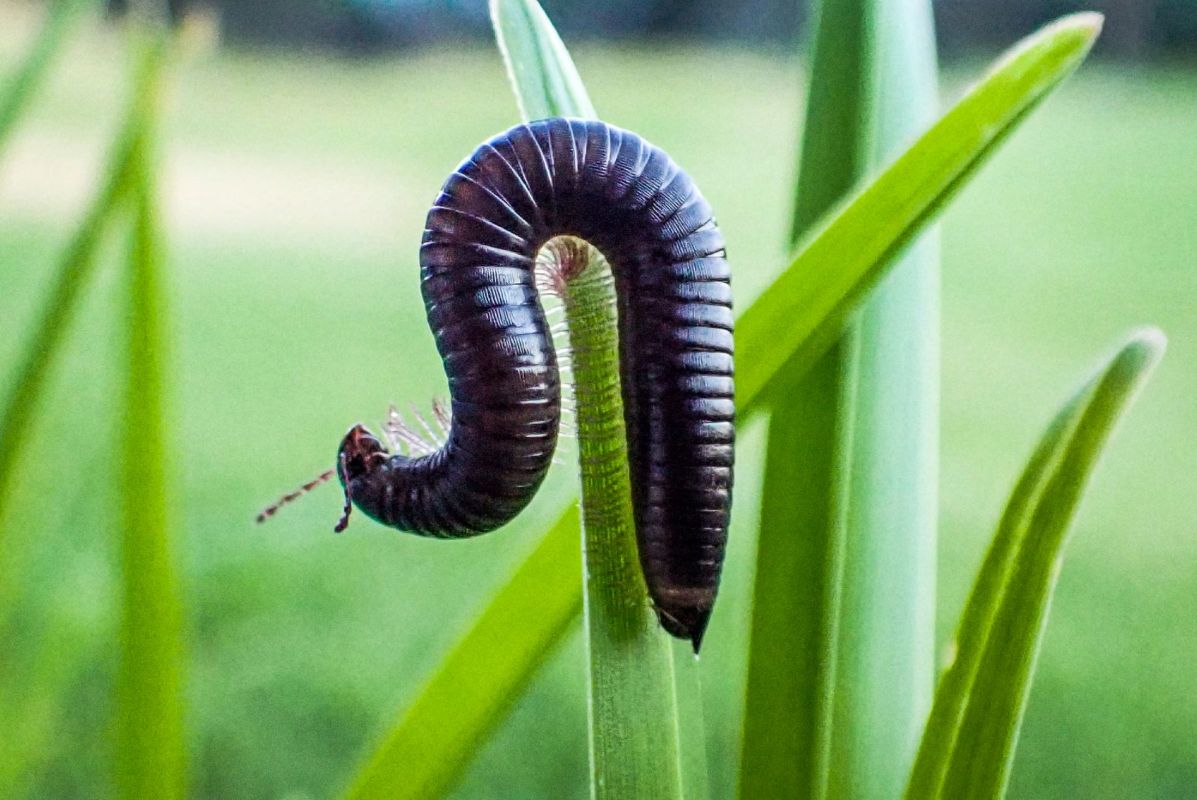
A hoped-for solution to swarms of Portuguese millipedes in New Zealand appears to have fallen short, as a parasitic worm once viewed as a possible fix does not seem to work at real-world levels.
What happened?
For nearly a year, people on Wellington's south coast have reported seeing Portuguese millipedes in huge numbers, with the dark, scaly creatures appearing around homes and inside shoes, bags, and even beds, according to RNZ.
Since those reports began, the Ministry for Primary Industries has confirmed the species in Nelson and New Plymouth, and a possible sighting in Christchurch was also recently posted to iNaturalist, per RNZ.
Cath Duthie, Biosecurity New Zealand's manager of pest management programmes, told RNZ that the species has likely been present in the country for at least 20 years, which is why officials are not starting a formal response or actively tracking where it spreads.
Residents in Wellington's Ōwhiro Bay had been trying parasitic nematodes — microscopic worms sold in New Zealand as biocontrol agents — in hopes of cutting millipede numbers during the spring and autumn peaks.
But Phil Lester, an entomology professor at Victoria University, said laboratory testing showed that one of those worms, Steinernema feltiae, was not effective.
TCD Picks » Quince Spotlight
💡These best-sellers from Quince deliver affordable, sustainable luxury for all




"Even within a couple of days after applying these nematodes to moth species, they will die — and it's just amazing how quickly they'll die — but the millipedes live through this and are fine," Lester said.
Why does it matter?
The species is not considered dangerous to humans, and it is not officially classified as a pest species.
Lester said biocontrol using nematodes can also affect non-target species and biodiversity, meaning this method doesn't avoid one of the major pitfalls of pesticide use.
What's being done?
Even without a formal response, officials are still asking people to keep reporting sightings on iNaturalist.
Duthie said the government can still offer advice to local authorities when needed.
Researchers are continuing to study the millipedes and possible responses. Lester said the lab results matched what residents in Ōwhiro Bay had already observed in the field: The worms were not making a meaningful difference in millipede numbers.
He said some mortality appeared only when researchers used "100-fold the concentration that is recommended."
He also said the Portuguese millipede could be a much "bigger problem" in the future, while adding that researchers are still looking for solutions.

Get TCD's free newsletters for easy tips, smart advice, and a chance to earn $5,000 toward home upgrades. To see more stories like this one, change your Google preferences here.






